
By Rebecca Ekpe
The Australian High Commission has reaffirmed its commitment to strengthening responsible journalism and transparency in Ghana’s extractive sector as it celebrated the graduation of the inaugural cohort of the Africa Extractives Media Fellowship (AEMF) and welcomed a new group of journalists into the programme.
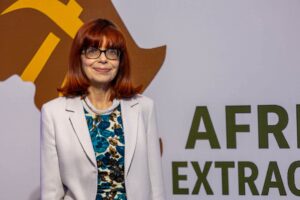
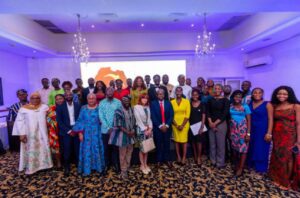 AEMF Fellowship Launch -Cohort II – La Palm Royal Beach Hotel.
The ceremony, held in Accra earlier this week, brought together government representatives, industry leaders, development partners, civil society actors and media practitioners to recognise the achievements of the first cohort and highlight the importance of specialized reporting on Ghana’s oil, gas and mining industries.
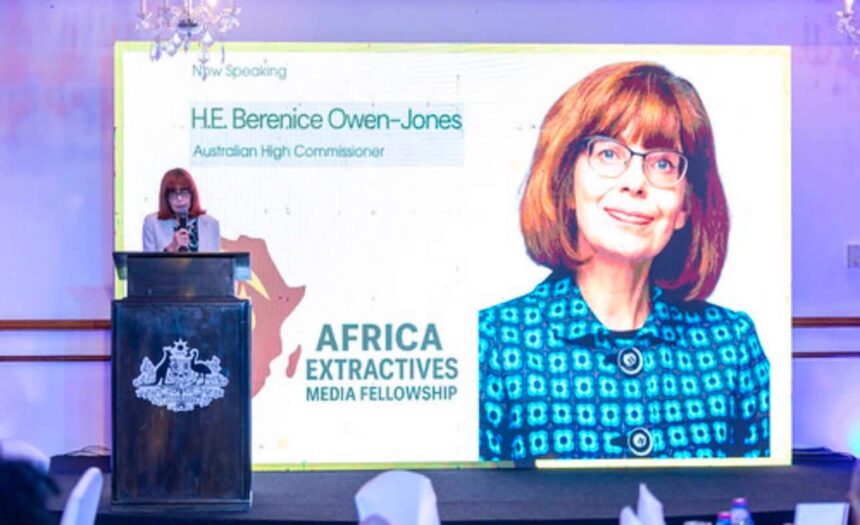
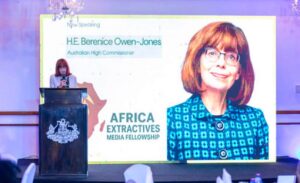
Australian High Commissioner to Ghana, Berenice Owen-Jones, who joined stakeholders for the occasion, praised the fellows for their commitment to improving the quality of extractives reporting and contributing to more informed public discussions around natural resource governance.
“The media plays a critical role in ensuring that communities, governments and companies are held accountable. By investing in the skills and knowledge of journalists, we are supporting more accurate, balanced and impactful reporting on Ghana’s extractive sector,” the High Commissioner said.
The Africa Extractives Media Fellowship was established by Independent Journalist, Kwakye Afreh Nuamah, to address gaps in specialized media coverage of the extractives industry by providing journalists with practical knowledge of mining, oil and gas governance, environmental issues, revenue management and community impacts.
Through expert-led training, field engagements and mentorship, fellows gain a deeper understanding of the complexities surrounding natural resource exploitation and develop the capacity to produce investigative and evidence-based stories.
Speaking at the event, representatives of the fellowship noted that extractive industries remain a major driver of Ghana’s economy, but their impact extends beyond revenue generation to issues of environmental sustainability, community development, accountability and social justice.
A representative of the programme said:
“Quality journalism is essential to ensuring that the benefits of natural resources reach citizens. Journalists must have the technical understanding required to ask the right questions, analyse data and tell stories that reflect the realities of affected communities.”
The graduating fellows of Cohort One shared their experiences, highlighting how the programme transformed their approach to reporting.
One graduate said:
“The fellowship has equipped us with the tools to move beyond surface-level reporting and examine the deeper issues around resource governance, policy decisions and the experiences of communities affected by extractive activities.”
Another fellow added:
“Understanding the technical aspects of mining, oil and gas has improved our confidence as journalists. We can now engage experts, interpret information better and produce stories that contribute to accountability.”
The launch of Cohort II marks another milestone in the partnership, expanding opportunities for more journalists to develop specialized expertise in extractives reporting.
Industry stakeholders welcomed the continued investment in media capacity building, emphasizing that a well-informed media is essential for promoting responsible investment, protecting communities and encouraging sustainable resource management.
A government representative noted:
“Ghana’s extractive sector requires strong partnerships between government, industry, communities and the media. Journalists are important partners in communicating policies, highlighting challenges and ensuring that citizens’ voices are heard.”
The Australian High Commission’s support for the fellowship forms part of broader efforts to promote good governance, transparency and sustainable development across Ghana’s extractive industries.
As Cohort II begins its journey, organizers expressed optimism that the programme will continue to build a network of skilled journalists capable of producing credible, impactful and accountability-driven stories that shape national conversations on Ghana’s natural resources.