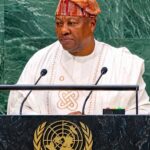

Ghana is once again at the center of a global conversation on historical justice as President John Dramani Mahama hosts the High-Level Consultative Conference on the Next Steps to the Landmark United Nations Resolution on the Trafficking of Enslaved Africans.
The conference comes months after a significant diplomatic breakthrough in which the international community formally recognized slavery and the transatlantic slave trade as among the gravest crimes against humanity and human dignity. For President Mahama, a historian and the African Union Champion for Reparations and Reparatory Justice, the achievement marked a major moral victory after years of advocacy by African nations and descendants of enslaved peoples around the world.
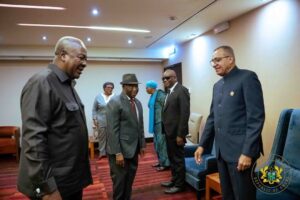
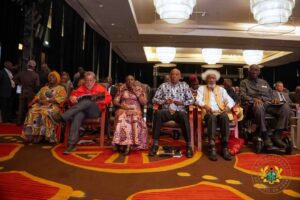
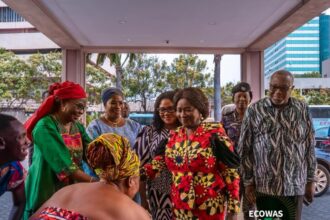
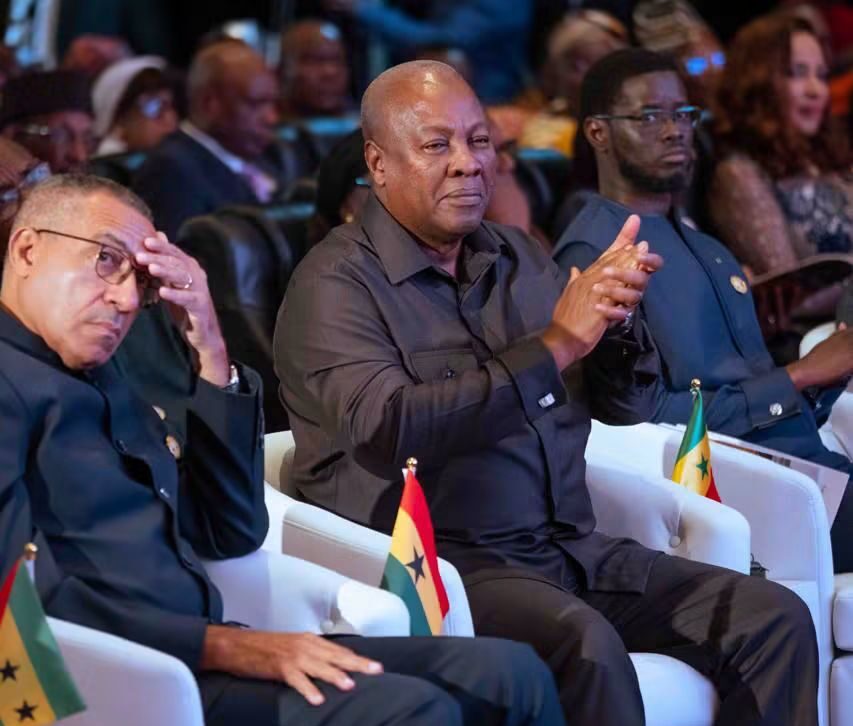
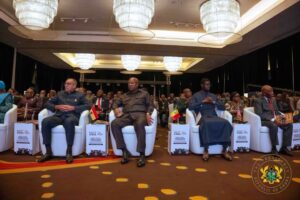 President John Mahama and dignitaries at the Reparations Conference in Accra
Related Stories

The resolution represented more than symbolic recognition. It acknowledged a historical truth that many campaigners argue has been overlooked for centuries and laid the foundation for a broader global discussion on justice, accountability, and healing.
President Mahama has consistently described the resolution as both a pathway to healing and a safeguard against historical amnesia. He argues that confronting the legacy of slavery requires more than remembrance; it demands action to address enduring structural inequalities, racial discrimination, and economic disparities that continue to affect communities across Africa and the African diaspora.
As the African Union’s Champion for Reparations and Reparatory Justice, Mahama has expanded the conversation beyond financial compensation. He has advocated for a comprehensive approach that includes the return of stolen African cultural artefacts, recognition of historical injustices, equitable access to global economic opportunities, and fairer management of Africa’s natural resources.
The conference in Ghana is expected to bring together scholars, historians, policymakers, diplomats, civil society leaders, and representatives of the African diaspora to examine what practical steps should follow the landmark UN resolution.
Central to the discussions is a question that has increasingly gained international attention: What does reparatory justice look like in practice?
While some advocate direct financial compensation, others emphasize investment in education, healthcare, infrastructure, and cultural preservation. There are also growing calls for the repatriation of African artefacts housed in foreign institutions and the creation of permanent memorials and museums that document the experiences of enslaved Africans and their descendants.
Many participants believe that preserving the memory of slavery is essential to ensuring that future generations understand its human cost. Proposals have included establishing world-class museums and educational centers that tell the story of millions of Africans who were forcibly removed from their homelands, those who perished during the transatlantic journey, and the generations whose identities, cultures, and histories were profoundly affected.
For Ghana, the conference reinforces its position as a leading voice in global efforts to secure justice for Africa and its diaspora. The country has become a focal point for discussions on historical reconciliation, remembrance, and the strengthening of ties between Africa and people of African descent worldwide.
As delegates gather in Accra, expectations are high that the meeting will help shape a roadmap for implementing the principles outlined in the UN resolution and advance the global campaign for reparatory justice.
The outcome could influence international policy discussions for years to come, moving the debate beyond recognition of historical wrongs toward concrete actions aimed at addressing their lasting consequences.
With Ghana hosting the dialogue and President Mahama leading the charge, the world is watching to see how a landmark acknowledgment of the past can be transformed into meaningful justice for future generations.