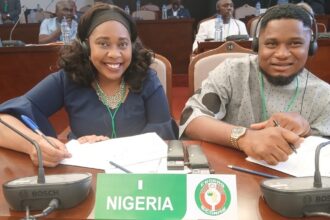


The Vice President of the Ghana Journalists Association, (GJA) Rebecca Ekpe, has joined senior editors across the country in a high-level capacity-building programme organized by the Public Interest and Accountability Committee, (PIAC) aimed at deepening media understanding of the Committee’s Annual Report and strengthening accountability reporting in Ghana’s petroleum sector.
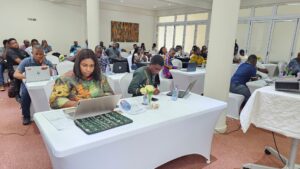
The training, held in Accra, brought together senior editors and newsroom leaders to dissect key findings from PIAC’s latest annual report, which continues to serve as a critical tool for tracking the management and use of Ghana’s oil revenues.

Related Stories

In her remarks during an interview by Reporters, Rebecca Ekpe underscored the indispensable role of the media in promoting transparency and ensuring that citizens benefit from the country’s natural resources.
“The PIAC Annual Report is not just a document—it is a roadmap for accountability. As editors, we must translate these findings into compelling, fact-based stories that empower citizens and demand responsible governance,” she said.
According to data presented during the training, Ghana has earned billions of dollars in petroleum revenues since commercial production began in 2010. However, PIAC has consistently raised concerns about inefficiencies in revenue utilization, delays in project implementation, and the lack of value-for-money assessments in some funded initiatives.
Participants were taken through key statistics from the report, including:
- Total petroleum receipts exceeding $11 billion since 2011
- Annual allocations to the Annual Budget Funding Amount (ABFA) averaging $400–$600 million in recent years
- Persistent issues of uncompleted and abandoned projects, with some reports indicating over 100 stalled projects across sectors
Rebecca Ekpe emphasized that such figures should not remain confined to policy circles but must be translated into impactful journalism.
“When we interrogate these numbers and connect them to real communities—schools without completion, roads left half-done—we give meaning to the data and amplify the voices of the people,” she added.
Officials from PIAC highlighted that the media remains one of the most important stakeholders in ensuring compliance with the Petroleum Revenue Management Act, which governs the collection, allocation, and oversight of oil revenues in Ghana.
They noted that while Ghana has been globally recognized for establishing PIAC as an independent oversight body, challenges persist in enforcement and follow-through on recommendations outlined in the Committee’s reports.
The training also explored practical tools for investigative reporting, data interpretation, and ethical considerations in covering extractive sector governance. Editors were encouraged to collaborate across media houses to sustain public interest in petroleum revenue management beyond headline moments.

For the GJA Vice President, the engagement marks a renewed push to position journalists not just as reporters, but as accountability actors.
“This is about strengthening democracy. A well-informed media is essential to ensuring that every cedi from our oil resources works for the Ghanaian people,” she concluded.
The programme forms part of PIAC’s broader strategy to build media capacity and foster a more informed public discourse around natural resource governance—an effort seen as crucial to Ghana’s long-term economic sustainability and democratic accountability.