
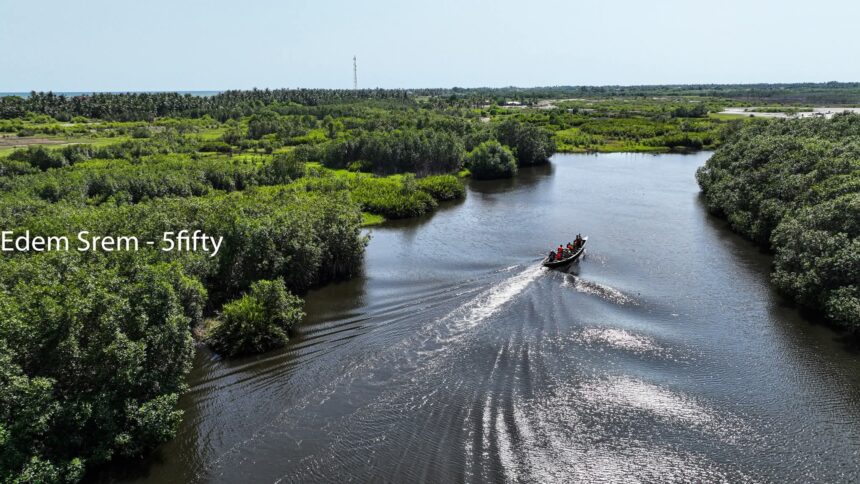
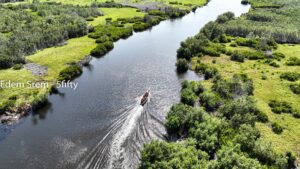
Along the southeastern coast of Ghana, where the land gently yields to the sea, the Keta Lagoon stretches in quiet majesty—its waters shimmering under the sun, undisturbed, unspoiled, and profoundly alive. In an era where many of Ghana’s rivers groan under the weight of illegal mining, the Keta Lagoon stands apart: a rare, enduring symbol of what remains possible when nature is protected.
Here, the water tells a different story.
Fishermen cast their nets into clear, breathing currents. Birds glide effortlessly across reflective surfaces. Children play along the shores without fear of contamination. Unlike rivers tainted by galamsey—where murky waters carry toxins and silence aquatic life—the Keta Lagoon pulses with ecological vitality.
Environmental advocates often point to this contrast as both inspiration and warning.
“The Keta Lagoon shows us that clean water is not a luxury—it is a foundation for life, livelihoods, and dignity,” says a coastal conservationist based in the Volta Region. “Where water is protected, communities thrive.”
Across Ghana, rivers such as the Pra River and Ankobra River have suffered the devastating consequences of illegal mining. Once vital water sources, many now carry sediments, heavy metals, and ecological scars that threaten both human health and biodiversity.
But Keta offers a powerful counter-narrative.
Its ecological integrity sustains a rich network of livelihoods—from artisanal fishing to salt production—while also positioning the lagoon as one of Ghana’s most promising eco-tourism destinations. The surrounding wetlands attract migratory birds, making it a haven for birdwatchers and researchers. Canoe rides across the lagoon offer serene encounters with nature, drawing both domestic and international visitors.
Tourism operators say the lagoon’s pristine condition is its greatest asset.
“People come here because the water is clean, the air is fresh, and the experience is authentic,” notes a local tour guide. “You cannot sell pollution as a destination. Clean water is our brand.”
Indeed, the economic implications are significant. As Ghana seeks to diversify its tourism sector beyond heritage sites and urban attractions, natural ecosystems like Keta Lagoon provide a sustainable pathway—one that aligns environmental stewardship with economic growth.
Public health experts also underscore the lagoon’s value. Clean water reduces disease burden, supports food security, and enhances quality of life. In contrast, communities along polluted rivers often face rising healthcare costs and declining fish stocks.
“Protecting water bodies like Keta Lagoon is not just an environmental issue—it is a national development priority,” emphasizes a public health specialist. “It affects everything from nutrition to tourism revenue.”
Yet, beneath its calm surface lies a quiet urgency.
Stakeholders warn that without sustained protection, even the Keta Lagoon could face the creeping threat of exploitation. The lesson from other rivers is clear: once degraded, restoration is costly and often incomplete.
For now, however, Keta remains a place of clarity—both literal and symbolic.
It reflects a Ghana that chooses preservation over plunder, sustainability over short-term gain. It reminds the nation that its natural heritage, when safeguarded, can be both beautiful and economically transformative.
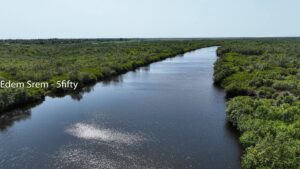
As the sun sets over the lagoon, casting golden hues across its tranquil waters, one truth becomes unmistakable: the future of Ghana’s environment—and its tourism—depends not on what is taken from its rivers, but on what is protected within them.
Photo Credit: Edem Srem-Fifty