

World Vision Ghana, with support from the Ministry of Gender, Children and Social Protection and the Chief of Staff, Julius Debrah, has officially launched its 2026–2030 Country Strategy to improve the well-being of children across the country.

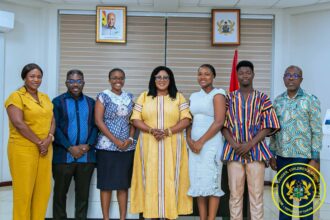
The event, held in Accra, also featured the unveiling of a commemorative memento and brought together government officials, development partners, and stakeholders in child welfare and social protection.
Speaking at the launch, under the theme “Harnessing Opportunities for the Protection and Empowerment of Every Child – HOPE for Every Child,” the Minister for Gender, Children and Social Protection, Agnes Naa Momo Lartey, lauded the organization for its continued efforts to advance child protection and empowerment.
She emphasized the importance of partnerships in addressing the complex challenges facing vulnerable children, particularly in child protection, education, health, and gender equality.
“World Vision Ghana has played a pivotal role in supporting national policies on child protection and gender equality,” she said.
 She further explained that the newly launched strategy is a comprehensive framework aimed at addressing long-standing issues affecting children, especially in rural and hard-to-reach areas where literacy, numeracy, and learning outcomes remain a concern.
The Chief of Staff, Julius Debrah, also commended World Vision Ghana for its contributions to national development over the past 49 years.
He praised the organisation’s work in health, education, and child protection, which he said had positively impacted thousands of children and their families.
He highlighted the alignment of the strategy with Ghana’s national development goals and the United Nations Sustainable Development Goals (SDGs), noting the critical role of partnerships, collaboration, and innovative financing in achieving the desired outcomes.
“The government remains committed to supporting World Vision Ghana as we work together to tackle the challenges facing our children,” he stated.
He added that the strategy would not only transform the lives of children but also contribute to a brighter and more inclusive future for all Ghanaians.
Meanwhile, the National Director of World Vision Ghana, Tinah Mukunda, highlighted the organisation’s commitment to addressing key issues, including malnutrition, water and sanitation, and foundational education.
She said the 2026–2030 strategy seeks to reach approximately 2.8 million children by 2030, focusing on ensuring that they grow up healthy, educated, protected, and empowered within safe and resilient communities.
Dr. Mukunda invited the public to support the initiative, stressing that investing in children is key to securing a prosperous future for the country.
“The next five years will be pivotal in shaping the future of millions of children,” she said.
“We need the support of all stakeholders to invest in local, co-created and climate-smart solutions to ensure the success of this strategy.”
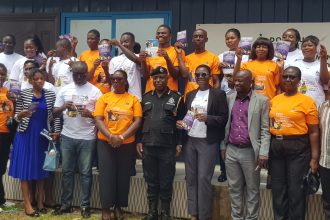
Stakeholders at the launch reaffirmed their commitment to working together to ensure that no child is left behind in Ghana’s development journey.
The event concluded with the symbolic unveiling of a commemorative memento by the Chief of Staff, with the Gender Minister in attendance, marking a renewed commitment to collaboration between government and development partners to advance child welfare.