
In a defining moment for global justice and historical accountability, the United Nations General Assembly has adopted a landmark resolution—A/80/L.48—formally declaring the trafficking of enslaved Africans and racialized chattel enslavement as the gravest crime against humanity.
The historic decision, taken at the headquarters of the United Nations, marks a significant shift in how the international community recognizes one of the darkest chapters in human history—the Transatlantic Slave Trade.
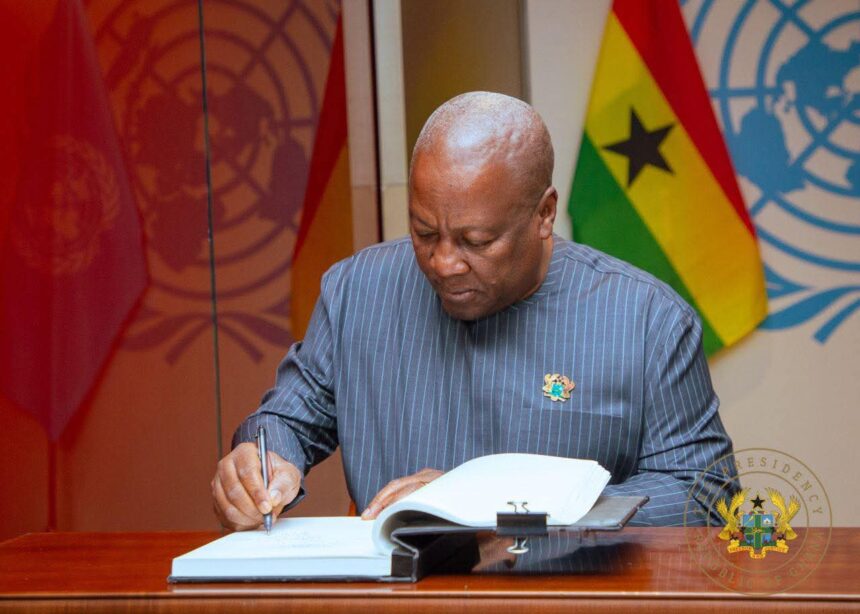
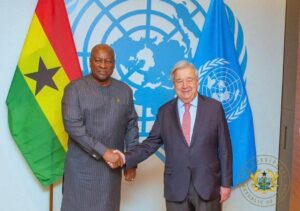
 President Mahama speaking at the UN.
Related Stories

A Turning Point for Historical Justice
For centuries, millions of Africans were forcibly taken from their homelands, subjected to inhumane conditions, and stripped of their dignity and identity under systems of racialized chattel slavery. While the global community has long acknowledged slavery as a crime against humanity, this resolution elevates its classification—placing it at the very apex of human atrocities.
Diplomats, historians, and human rights advocates have described the move as “long overdue,” emphasizing that the resolution is not merely symbolic but a foundational step toward restorative justice.
“This is about truth, recognition, and the moral courage to confront history,” one delegate noted during deliberations.
What the Resolution Means
The adoption of A/80/L.48 is expected to have far-reaching implications:
- Moral Recognition: It formally acknowledges the scale and brutality of the transatlantic slave trade as unparalleled in its systemic dehumanization.
- Global Education: It strengthens calls for more accurate and inclusive historical education worldwide.
- Reparative Justice Momentum: The resolution is likely to reinvigorate ongoing conversations around reparations, particularly within frameworks championed by organizations such as the African Union and the CARICOM.
- Policy Influence: It could influence international law, advocacy strategies, and diplomatic engagements related to racial justice and equity.
Africa and the Diaspora: A Collective Voice
The resolution reflects years of sustained advocacy by African nations, Caribbean states, and members of the global African diaspora. Countries across the continent—including Ghana—have consistently called for stronger recognition of the historical and ongoing impacts of slavery.
Ghana, in particular, has positioned itself as a leader in this conversation through initiatives such as the “Year of Return” and broader diaspora engagement policies, reinforcing the urgency of addressing historical injustices.
A New Chapter in the Reparations Debate
The resolution arrives at a time when calls for reparations are gaining renewed traction on the global stage. Leaders, including John Dramani Mahama, have recently used international platforms to advocate for reparatory justice, arguing that the legacy of slavery continues to shape economic disparities and systemic inequalities faced by people of African descent.
While the resolution itself does not mandate reparations, experts believe it strengthens the legal and moral case for compensation, restitution, and institutional reform.
“Standing on the Right Side of History”
Beyond policy implications, the emotional weight of the resolution cannot be overstated. For descendants of enslaved Africans, it represents validation—a long-awaited acknowledgment of pain, resilience, and survival.
Civil society groups, youth movements, and cultural leaders across the world have welcomed the decision, describing it as a powerful affirmation that the global community is ready to confront its past with honesty.
The Road Ahead
Despite the milestone, many acknowledge that the journey toward justice is far from over. Implementation, education, and sustained political will remain critical.
“This resolution is not the end,” one African diplomat remarked. “It is the beginning of a deeper global reckoning.”
As the world reflects on this historic step, one message resonates clearly: acknowledging the past is essential to shaping a more just and equitable future.
Indeed, history has been made—and the world is watching what comes next.