
By Rebecca Ekpe
The Gender Centre for Empowering Development (GenCED)’s latest analysis has revealed persistent deficits in Women’s Representation in Ghana.
The report highlights that Women hold just 14.9% of parliamentary seats., and only 115 out of 774 candidates in the 2024 elections were women.
Related Stories

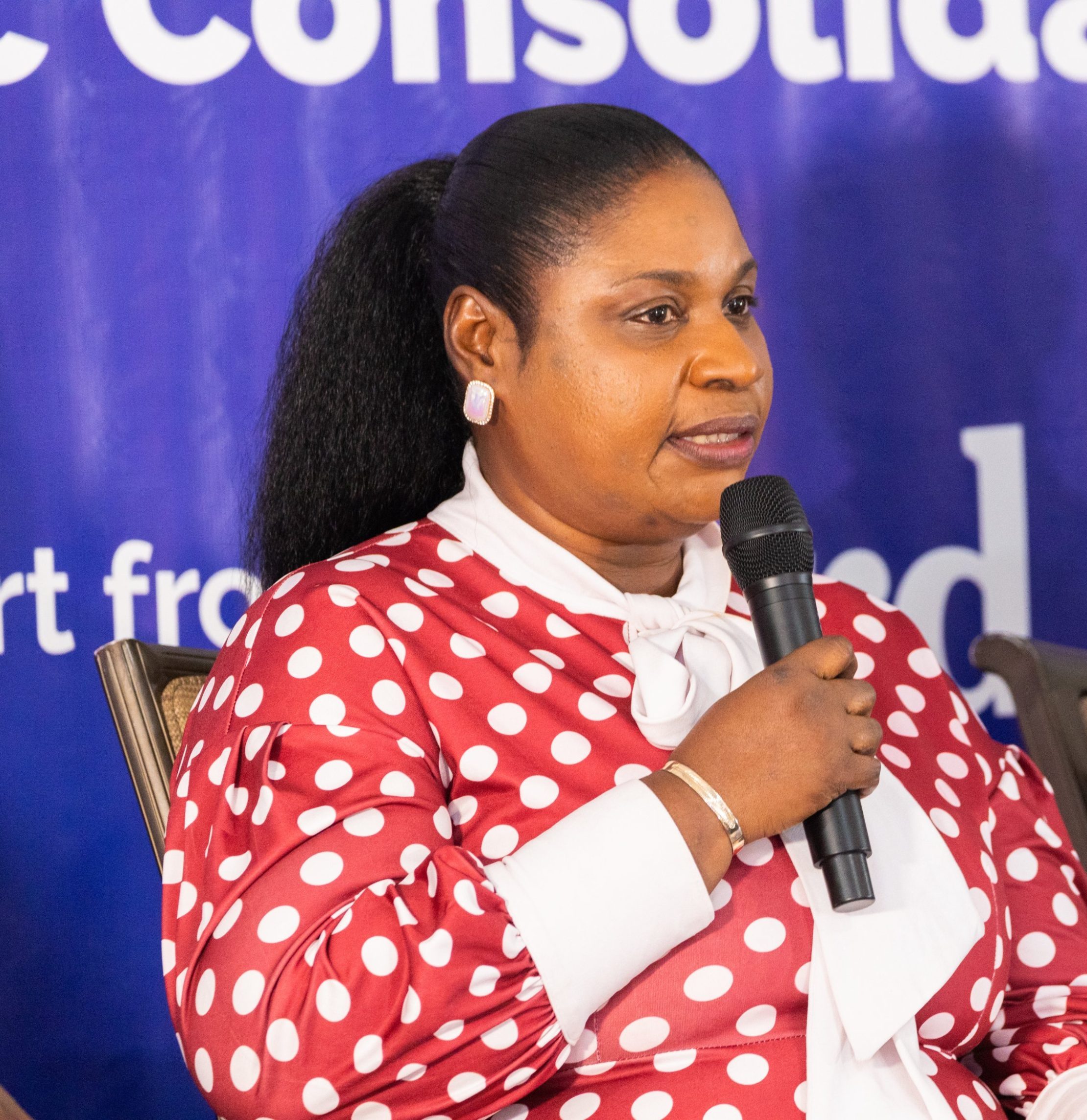
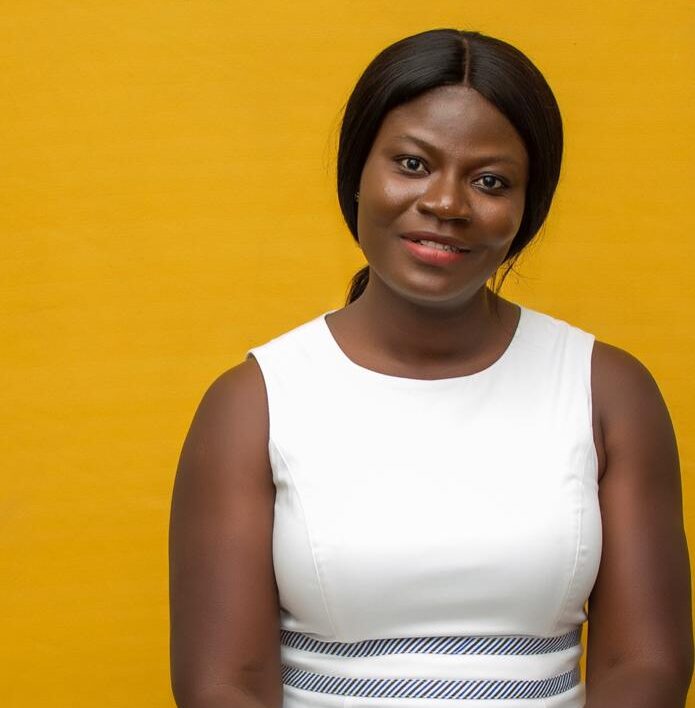
GenCED’s Executive Director, Esther Tawiah believes this calls for more advocacy in addressing the issues. She said ”this is not just a gender issue; it is a governance challenge.”. ”When women are excluded from decision-making, policies risk overlooking critical perspectives on health, education, social protection, and economic development”.
In light of this, GenCED believes that incremental change is not enough. Instead Ghana needs ”deliberate structural reforms to achieve gender-balanced political representation”.
Key priorities:
- Legally binding quotas for women’s representation
- Stronger accountability for political parties
- Targeted financing to support women candidates
- Safe and enabling environments for women in politics
Gender Centre for Empowering Development (GenCED) has posited that the time for action is now, because , a ”more inclusive Parliament means a stronger, more responsive democracy for all”.
Read the full analysis: