
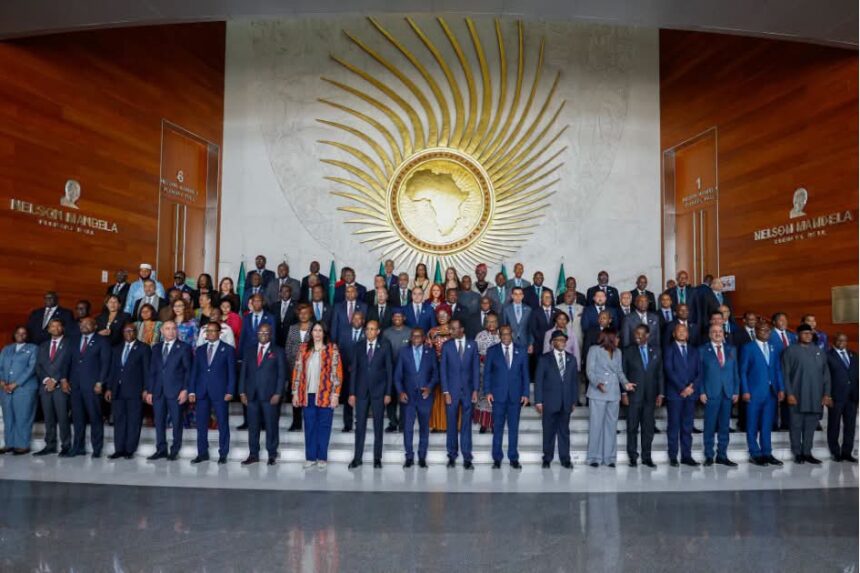
The African Union (AU) is advancing the implementation of key decisions adopted at the conclusion of the 49th Ordinary Session of the Executive Council, as Member States and the African Union Commission (AUC) begin translating commitments into concrete actions aimed at accelerating Africa’s development agenda.
The meeting, held in Addis Ababa from July 28 to 29, focused on strengthening regional cooperation, enhancing institutional reforms, promoting peace and security, and advancing the implementation of Agenda 2063 under the 2026 AU Theme of the Year, “Assuring Sustainable Water Availability and Safe Sanitation Systems to Achieve Agenda 2063.”
The African Union Commission is now working with Member States to operationalise the Council’s decisions, particularly those relating to sustainable water management, sanitation, financial sustainability, institutional reforms and Africa’s growing role in global governance.
The Commission is also engaging Member States on accelerating the ratification of outstanding AU legal instruments to strengthen the Union’s institutional framework and improve the implementation of continental policies.
On peace and security, the AU is intensifying consultations with affected Member States and regional bodies as efforts continue to address terrorism, violent extremism and emerging security threats across the continent. The Commission is also maintaining diplomatic engagements through regional and international partnerships to support peacebuilding initiatives.
The Executive Council’s discussions on Africa’s participation in the G20 are continuing to shape the continent’s collective engagement in global economic governance. AU officials are working to ensure that Africa presents coordinated positions on international economic, financial and development issues.
Implementation is also progressing on recommendations aimed at improving the African Union’s financial independence. Member States are considering measures to strengthen domestic resource mobilisation and reduce reliance on external funding for continental programmes.
Meanwhile, committees of the Executive Council are following up on decisions relating to Agenda 2063 implementation, African candidatures within international organisations, treaty ratification, and the review of the Union’s scale of assessment.
The African Union is also moving forward with the appointment process for members of the Board of External Auditors while preparations continue for the next Mid-Year Coordination Meeting between the AU, Regional Economic Communities (RECs) and Regional Mechanisms (RMs), where progress on implementing the Executive Council’s decisions will be reviewed.
Observers say the period following the Executive Council meeting is critical, as attention shifts from policy deliberations to implementation. The effectiveness of the adopted decisions will largely depend on sustained political commitment, stronger coordination among Member States, and adequate financing to achieve the aspirations of Agenda 2063.
The outcomes of the 49th Ordinary Session are expected to guide the African Union’s work in the coming months as the continent seeks to strengthen regional integration, improve governance, enhance resilience to climate challenges, and accelerate inclusive socio-economic development.