
GJA Vice President says the milestone must go beyond celebrating excellence to advancing journalist safety, editorial independence, gender inclusion and professional development.
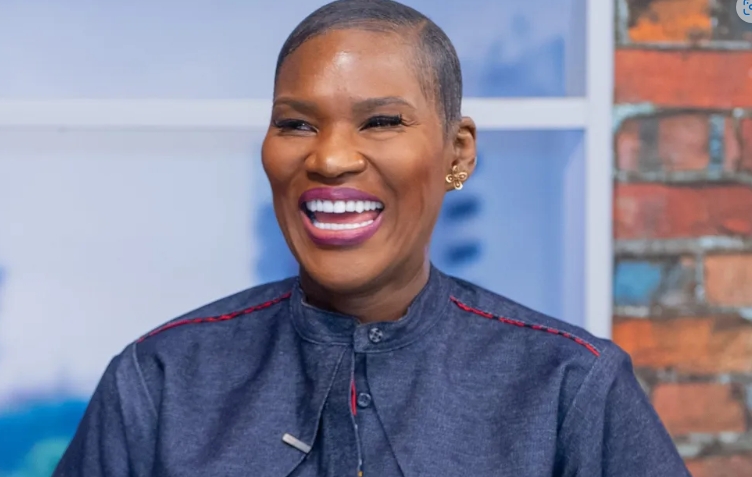
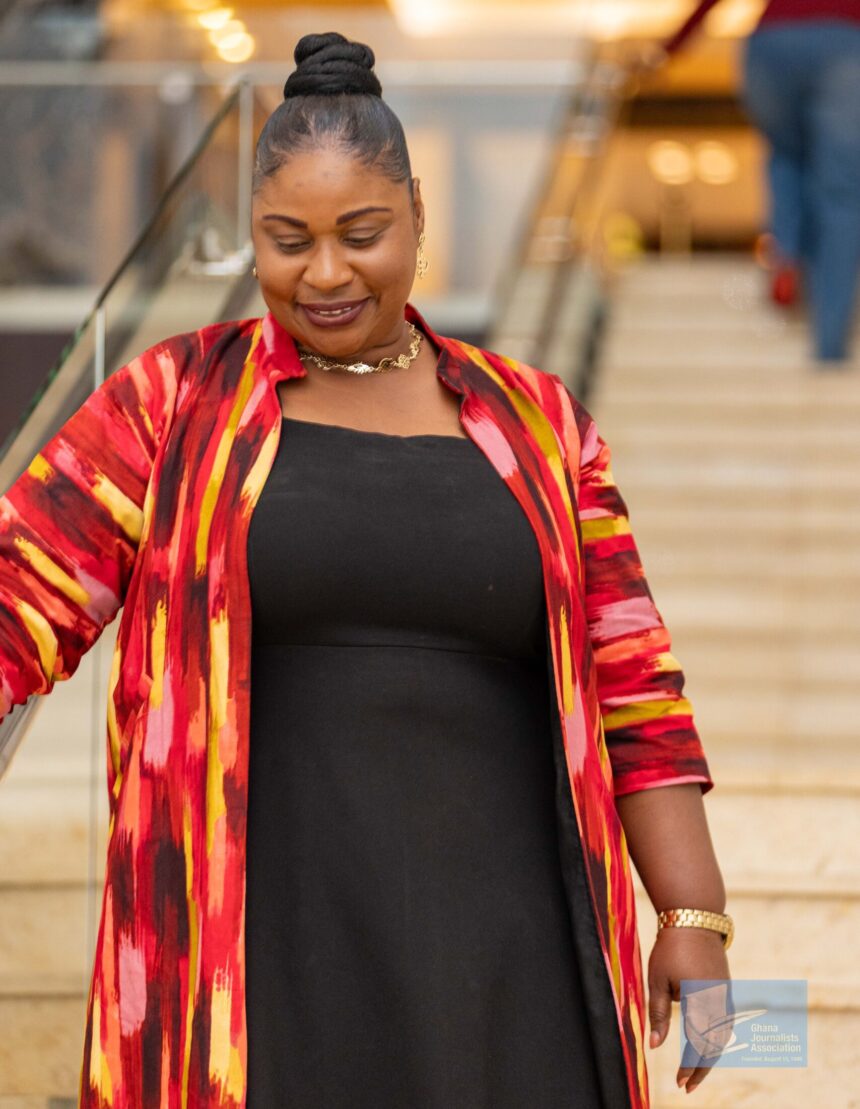
Vice President of the Ghana Journalists Association (GJA), Rebecca Ekpe, has called for a renewed commitment to press freedom, journalist safety and professionalism as the Association prepares to celebrate the 30th edition of its Media Awards.
Speaking on the significance of the launch of the awards at the Kempinski Hotel Gold Coast City in Accra, Ekpe said the milestone offered an opportunity to celebrate outstanding journalism while reflecting on the challenges and opportunities shaping the future of the media industry in Ghana.
Related Stories

She stressed that the value of the Awards should extend beyond recognising exceptional journalistic work to promoting higher professional standards, strengthening media institutions and deepening public trust.
Among the key issues requiring sustained attention, she noted, are the safety of journalists, editorial independence, professional ethics, digital misinformation, gender representation and the financial sustainability of media organisations.
Journalist safety and editorial independence
Ekpe emphasised that journalists must be able to perform their duties without intimidation or undue interference, particularly when investigating issues involving powerful individuals and institutions.
She called attention to the need for practical measures that protect media practitioners, promote accountability and safeguard the constitutional role of the media in Ghana’s democracy.
She also underscored the importance of editorial independence, noting that credible journalism must be anchored in accuracy, fairness, verification and the public interest.
The credibility of the media, she indicated, depends not only on the stories journalists produce but also on the integrity and professionalism with which information is gathered, assessed and presented to the public.
Digital transformation and ethical journalism
The growing influence of digital platforms and online content creators has created new opportunities for information sharing while intensifying concerns about misinformation and the speed at which unverified content circulates.
Ekpe highlighted the need for continuous professional development to equip journalists and digital creators with the skills required to navigate this changing media landscape.
She stressed that technological innovation must go hand in hand with responsible reporting, ethical conduct and accountability to audiences.
Strengthening media institutions and expanding opportunities for professional training, she noted, would be essential to ensuring that journalism remains credible and relevant in the digital age.
Advancing gender inclusion in the media
Ekpe also highlighted the importance of promoting women’s visibility and participation in journalism, including leadership positions, newsroom decision-making and public affairs programming.
She stressed that an inclusive media environment must provide opportunities for diverse voices, particularly women and people from underserved communities, to contribute meaningfully to national conversations.
Gender equality, she indicated, should remain an important consideration in professional recognition, newsroom leadership and the development of future generations of journalists.

Building a sustainable media industry
Beyond celebrating individual achievements, Ekpe drew attention to the need to strengthen the economic and institutional foundations of journalism.
She noted that media organisations require sustainable business models, adequate investment in professional development and working conditions that enable journalists to produce quality, public-interest reporting.
She further highlighted the importance of responsible partnerships between media organisations, corporate institutions and development partners, with appropriate safeguards to protect editorial independence.
Beyond the trophies
As the GJA marks three decades of recognising journalistic excellence, Ekpe said the occasion should inspire renewed efforts to defend press freedom, promote professionalism and build stronger media institutions.
She emphasised that journalism serves a broader democratic purpose beyond reporting daily events. It informs citizens, holds power accountable, amplifies underrepresented voices and contributes to an informed society.
The 30th GJA Media Awards therefore presents an opportunity to celebrate the achievements of Ghanaian journalists while encouraging reflection on the protections, standards and resources needed to sustain the profession.
For Ekpe, the challenge is to ensure that the celebration of excellence translates into meaningful progress for journalism and the society it serves.