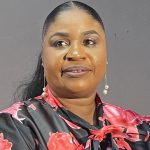

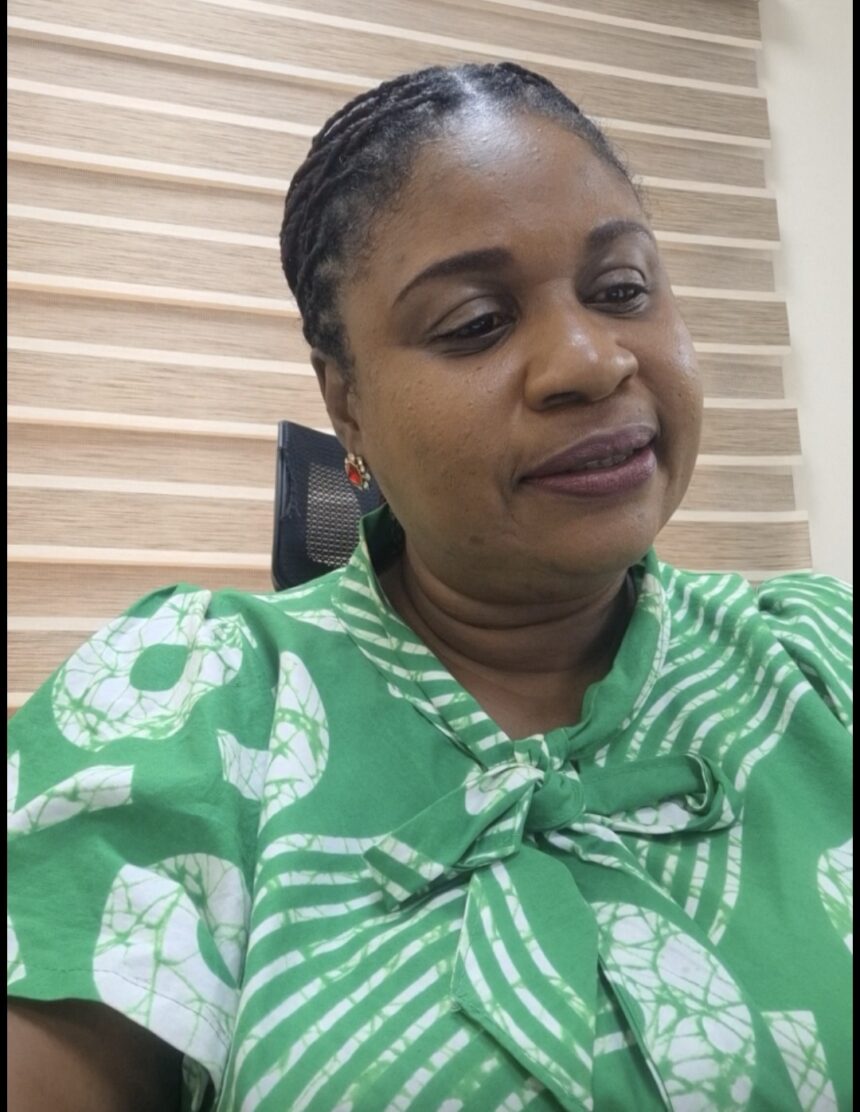
The Vice President of the Ghana Journalists Association (GJA) and Editor-in-Chief of the Ghana Broadcasting Corporation (GBC), Rebecca Ekpe, has called for deliberate efforts to increase the visibility and representation of women in Ghanaian television, stressing that gender-sensitive journalism is fundamental to strengthening democracy, promoting inclusive governance and enriching public discourse.
She made the call while presenting a research paper at the 2026 State of Journalism, Media and Communication Conference (SJMCC 2026), organised by the School of Journalism and Media Studies (SOJAMS) of the University of Media, Arts and Communication (UniMAC).
Her presentation, titled “Representation of Women and the Practice of Gender-Sensitive Journalism in Ghanaian Television Media: A Cursory Assessment of Women’s Visibility in Current Affairs Programming,” formed part of the conference’s Media & Gender session, which examined the role of the media in advancing inclusion, diversity and equitable representation.
Examining Women’s Visibility in Television Current Affairs
Rebecca Ekpe’s study explored the extent to which women are represented as experts, commentators and decision-makers on current affairs programmes aired on selected Ghanaian television stations.
The research found that although women continue to make significant contributions across politics, business, academia, science, governance and civil society, they remain considerably underrepresented on television discussion programmes.
According to the study, men continue to dominate current affairs panels and expert discussions, while women’s perspectives are often absent from conversations that shape national policy and public opinion.
The research also examined some of the reasons producers and programme hosts cited for the imbalance. Among the most common explanations were scheduling challenges that made female guests unavailable, difficulties securing women experts within production timelines and the perception that fewer women were available in specialised fields.
Rebecca Ekpe argued that these explanations should not become permanent barriers to achieving balanced representation.
“Women’s voices matter in every national conversation. Gender-sensitive journalism is not simply about achieving numerical balance; it is about ensuring that media narratives reflect the diversity of society and provide audiences with a broader range of experiences, expertise and perspectives.”
Gender-Sensitive Journalism Strengthens Democracy
Speaking to participants, Rebecca Ekpe stressed that journalism plays a central role in shaping public understanding and influencing national development.
She noted that media organisations have a responsibility to ensure that editorial decisions are guided by fairness, inclusivity and professionalism.
According to her, expanding the participation of women in news and current affairs programming improves the quality of public debate, enhances media credibility and strengthens democratic governance by ensuring that different perspectives are represented.
She encouraged editors, producers and programme hosts to intentionally broaden their databases of female experts and adopt editorial policies that promote inclusive sourcing practices.
“Inclusive journalism is better journalism. When women are visible as experts, analysts and decision-makers, audiences receive richer conversations and more balanced reporting that reflects the realities of our society.”
Journalism Must Evolve Without Losing Its Core Values
Reflecting on the broader conference discussions, Rebecca Ekpe observed that journalism is undergoing significant transformation as technology reshapes news production and audience engagement.
However, she emphasised that despite these changes, the profession must remain firmly anchored in its core principles of accuracy, credibility, ethics and public service.
She said responsible journalism remains indispensable to informed citizenship and democratic accountability, particularly at a time when misinformation and digital disruption continue to challenge news organisations worldwide.
“As the media landscape evolves, our responsibility to inform, educate and empower citizens becomes even more critical. Innovation must go hand in hand with ethical journalism and a commitment to the public interest.”
Collective Action on future of Journalism
Rebecca Ekpe commended the organisers of SJMCC 2026 for creating an important platform for dialogue on the future of journalism and media practice.
She also expressed appreciation to fellow presenters, academics, students, media practitioners and development partners for their contributions to discussions on the future of the profession.
She urged journalists, educators, policymakers and media institutions to work collaboratively to promote inclusive storytelling, strengthen professional standards and ensure that women have equal opportunities to contribute to national conversations.
“The conversation does not end here. Together, we must continue to champion responsible and inclusive journalism, embrace innovation and uphold the values that define our profession. Gender-sensitive journalism is not just about fairness—it enriches public discourse, strengthens media credibility and promotes meaningful democratic participation.”
The presentation was widely acknowledged as an important contribution to ongoing discussions on media diversity and representation, reinforcing the need for newsrooms to adopt more inclusive editorial practices that reflect the voices and experiences of all members of society.
As Ghana’s media landscape continues to evolve, Rebecca Ekpe’s message served as a timely reminder that the future of journalism depends not only on technological innovation but also on ensuring that every voice has an opportunity to be heard.