
Devolution of Education and Health Services Takes Centre Stage at Decentralisation Sector Working Group Meeting
Ghana’s decentralisation reforms have received renewed attention as stakeholders intensify efforts to transfer greater responsibility for the management of pre-tertiary education and primary healthcare services to Metropolitan, Municipal and District Assemblies (MMDAs).
The move is expected to strengthen local accountability, improve service delivery, and empower communities to play a more active role in decisions that directly affect their daily lives.
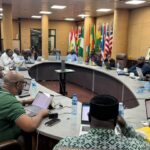
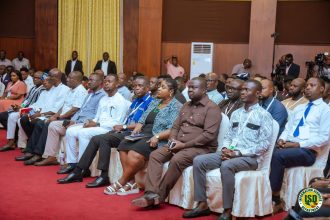
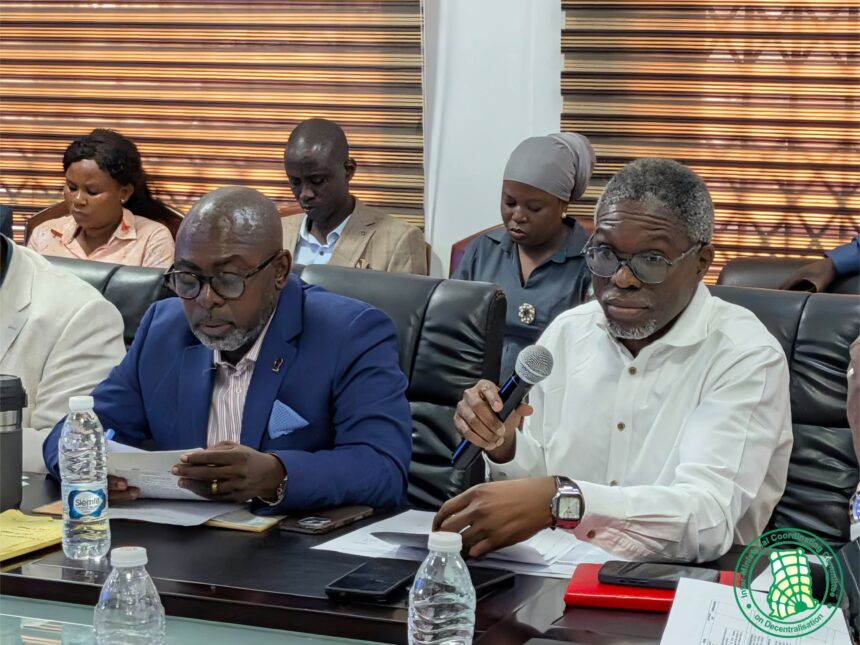
The issue was at the heart of the Second Quarter Meeting of the Decentralisation Sector Working Group (DSWG), organised by the Inter-Ministerial Coordinating Committee on Decentralisation (IMCCoD) on Tuesday, 30 June 2026, at the Ministry of Local Government, Chieftaincy and Religious Affairs in Accra.
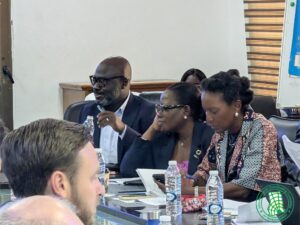
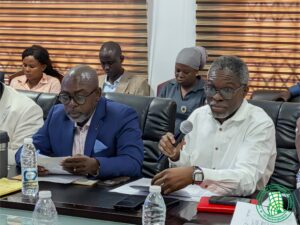
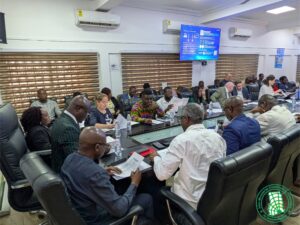 IMCCoD Pushes for Deeper Decentralisation Through Transfer of Education and Health Management to MMDAs.
The meeting brought together representatives from key government institutions, development partners, and decentralisation stakeholders to assess progress, identify challenges, and strengthen collaboration towards achieving Ghana’s decentralisation objectives.
Participants underscored the importance of devolving critical services such as basic education and primary healthcare to the local level, arguing that MMDAs are better positioned to understand community needs and respond with targeted interventions.
A key concern raised was the need to provide local authorities with the necessary resources, capacity, and institutional support to effectively manage these responsibilities.
Stakeholders noted that successful devolution requires more than the transfer of functions; it must be accompanied by adequate financial resources, trained personnel, clear accountability frameworks, and stronger coordination between central government institutions and local authorities.
The meeting also highlighted the role of citizen participation in strengthening local governance. By bringing decision-making closer to communities, decentralisation is expected to create opportunities for residents to influence development priorities and hold local leaders accountable.
The IMCCoD Secretariat reaffirmed its commitment to supporting the implementation of Ghana’s decentralisation agenda, particularly the objectives outlined in the National Decentralisation Policy and Strategic Framework 2026–2030.
The framework seeks to deepen local governance, enhance institutional effectiveness, and ensure that development outcomes reach citizens across the country.
As Ghana continues its decentralisation journey, stakeholders believe that empowering MMDAs with greater authority over essential services will be critical to building responsive, inclusive, and sustainable local governance systems.
The DSWG meeting therefore served as an important platform for advancing reforms aimed at transforming decentralisation from a policy aspiration into a practical reality that delivers improved services and stronger community ownership of development.