
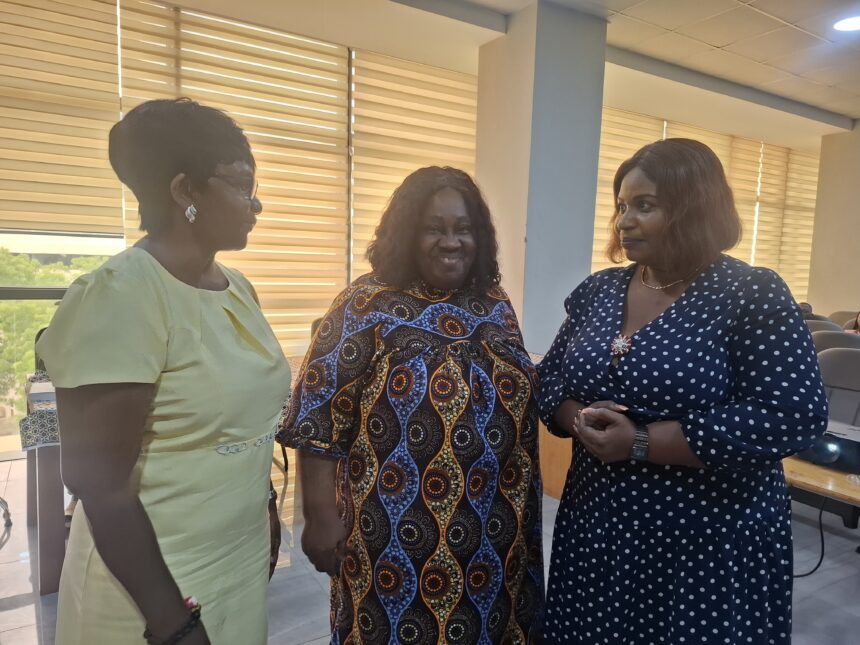
Vice President of the Ghana Journalists Association (GJA), Rebecca Ekpe, has participated in a media training programme for newsroom leaders on Ghana’s new National Decentralization Policy and Strategic Framework (2026–2030).
The training formed part of efforts to strengthen public understanding of the country’s decentralization agenda and promote accountable and inclusive local governance through effective media engagement.
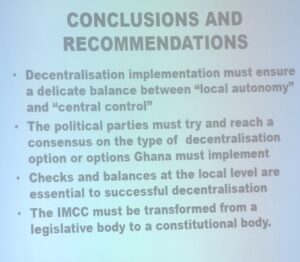
The programme brought together editors, senior journalists, media managers and communication professionals from across the country to deepen their knowledge of the policy framework and its implications for governance, citizen participation and local development.
Participants were taken through key areas of the policy, including local governance reforms, fiscal decentralization, citizen engagement, transparency and accountability mechanisms aimed at improving service delivery at the district level.
Speaking during the engagement, Rebecca Ekpe underscored the critical role of the media in educating citizens on governance reforms and ensuring that local authorities remain accountable to the people.
She noted that journalists and newsroom leaders have a responsibility to simplify complex policy issues and make them accessible to ordinary citizens to encourage informed participation in local governance processes.
According to her, decentralization can only succeed when citizens understand how the system works and are empowered to demand transparency and development within their communities.
The training also encouraged media practitioners to increase coverage of local governance issues, district assembly activities and community development initiatives to strengthen democratic participation and public accountability.
Organizers of the programme expressed optimism that empowering newsroom leaders with knowledge on the new decentralization framework would enhance accurate reporting, policy awareness and citizen engagement across the country.
The National Decentralization Policy and Strategic Framework (2026–2030) is expected to guide Ghana’s governance reforms over the next five years, with a focus on deepening local democracy, improving service delivery and enhancing participatory governance at the grassroots level.