
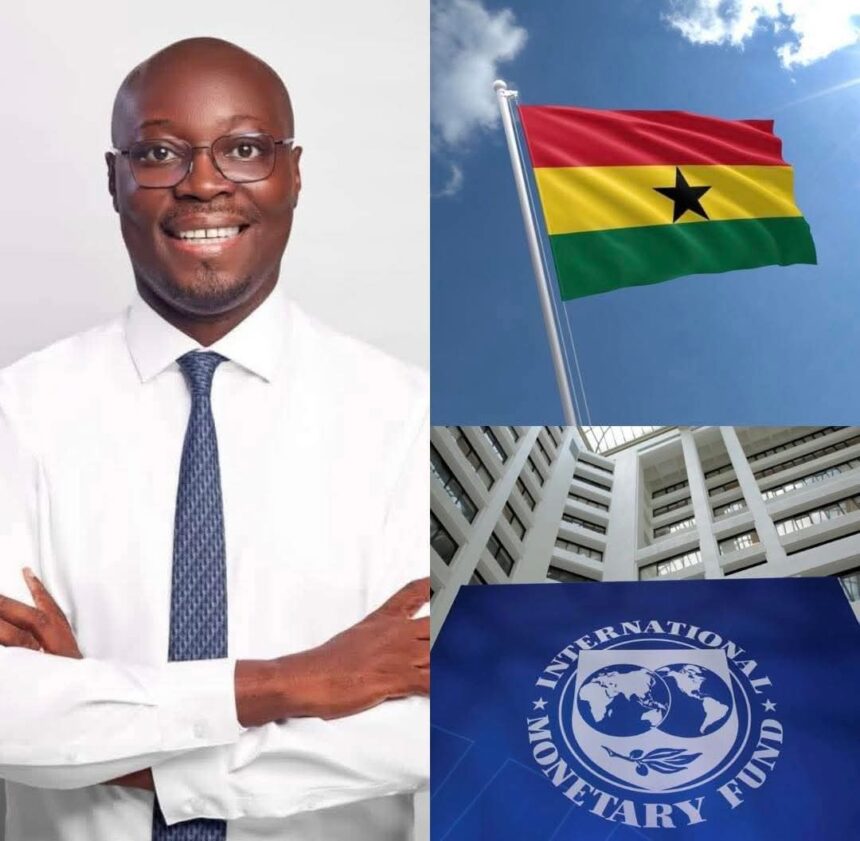
IMF Ghana has officially ended its Extended Credit Facility programme with the International Monetary Fund, bringing to a close its latest economic bailout arrangement after years of financial difficulties. Government says the programme ended ahead of schedule following what it describes as a strong economic recovery driven by fiscal discipline, structural reforms and renewed investor confidence.
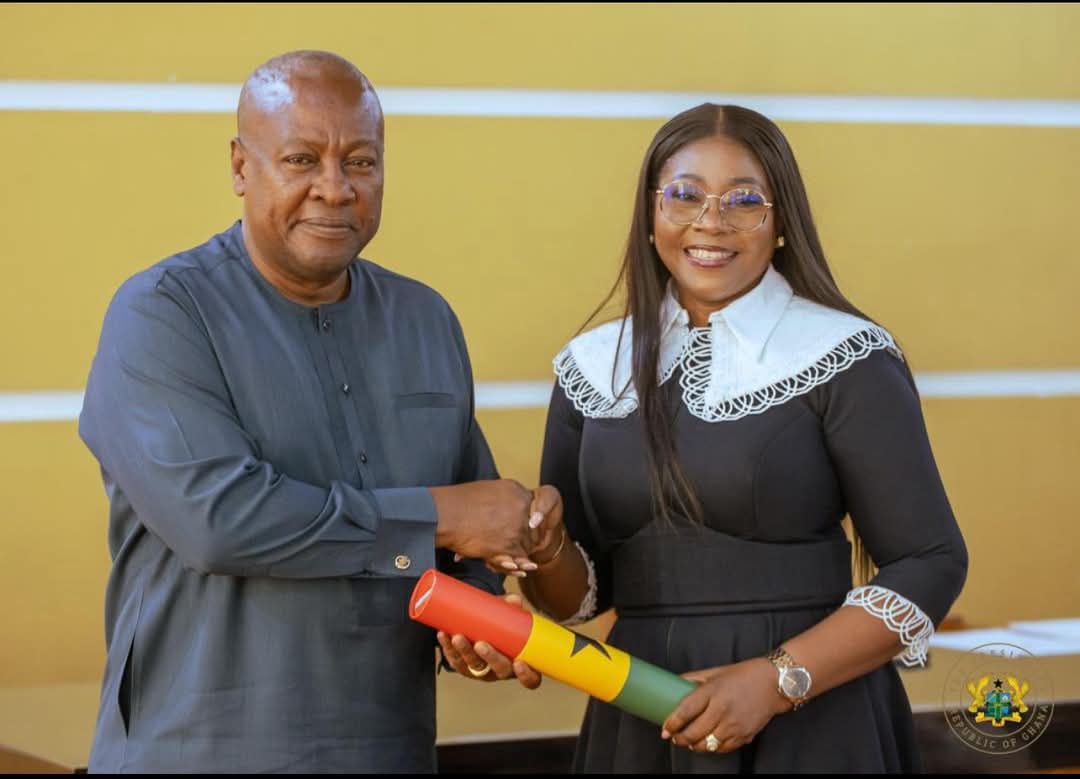
Ghana entered the IMF programme during a period of rising inflation, heavy debt burdens and a weakening cedi, conditions that created severe hardship for many Ghanaians. According to the government, the programme, which reportedly went off track in late twenty twenty-four, was stabilised after the administration of President John Dramani Mahama assumed office in twenty twenty-five.
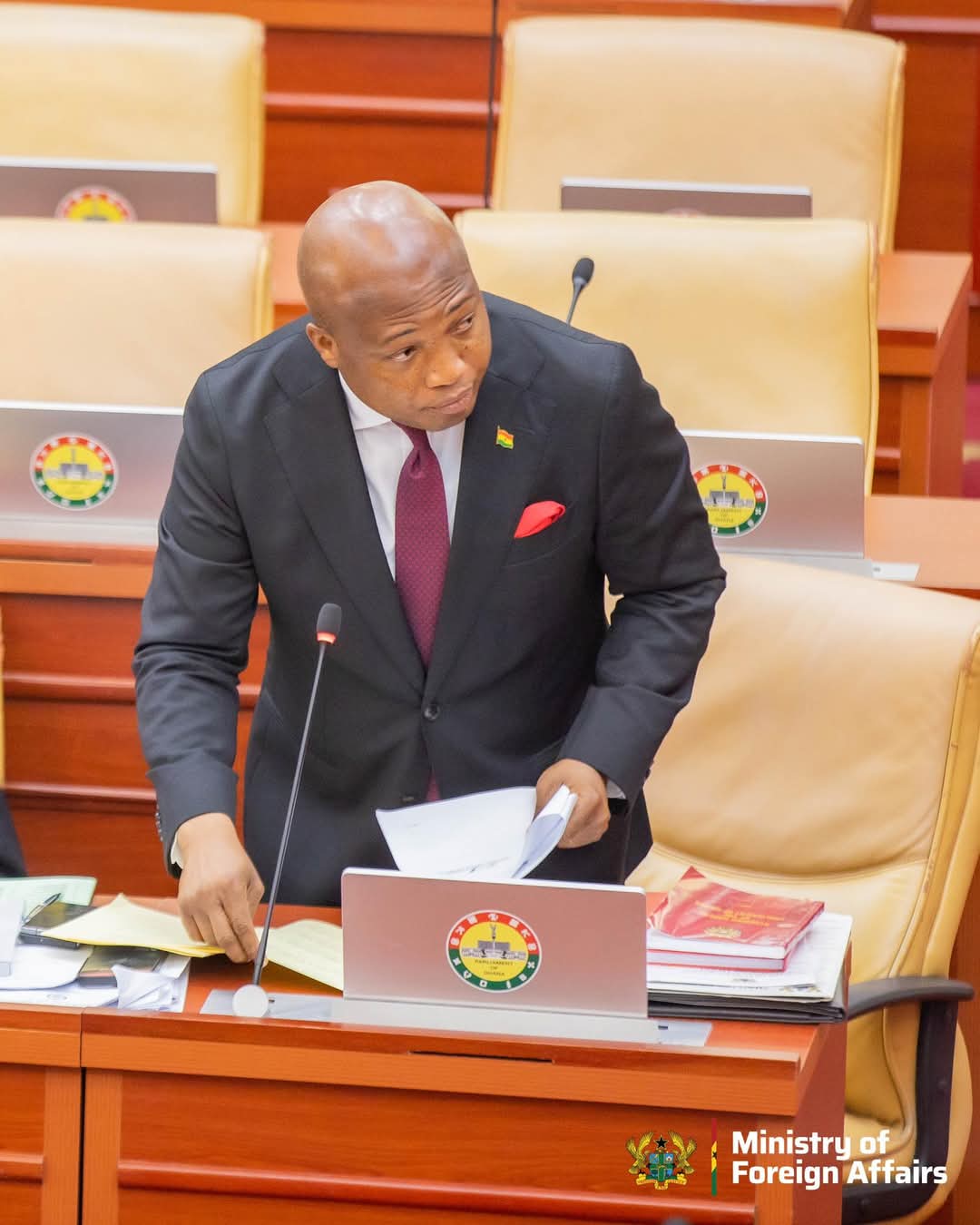
Officials say aggressive spending cuts and economic reforms helped restore macroeconomic stability, leading to lower inflation, a stronger cedi and reduced public debt levels. Government spokesperson Felix Kwakye Ofosu says Ghana’s sovereign credit ratings have also improved significantly, moving from restricted default status to a B rating with a positive outlook after five consecutive upgrades.
Related Stories
He added that Ghana’s gross international reserves reached about fourteen point five billion dollars by February this year, enough to cover nearly six months of imports. Despite the end of the bailout programme, Ghana will continue to engage the IMF under a Policy Coordination Instrument, which will provide technical support and policy guidance without direct financial assistance.
The Government says the new arrangement is expected to strengthen investor confidence, improve access to development financing and support efforts to create jobs and improve living standards.