
Women’s rights organisations, civil society actors and media practitioners have begun efforts to build a common women’s rights position on Ghana’s proposed constitutional reforms, with particular attention to women’s political representation and the constitutional recognition of gender equality.
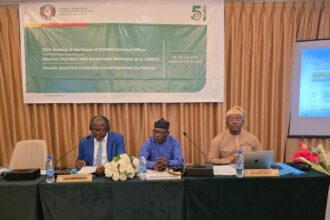
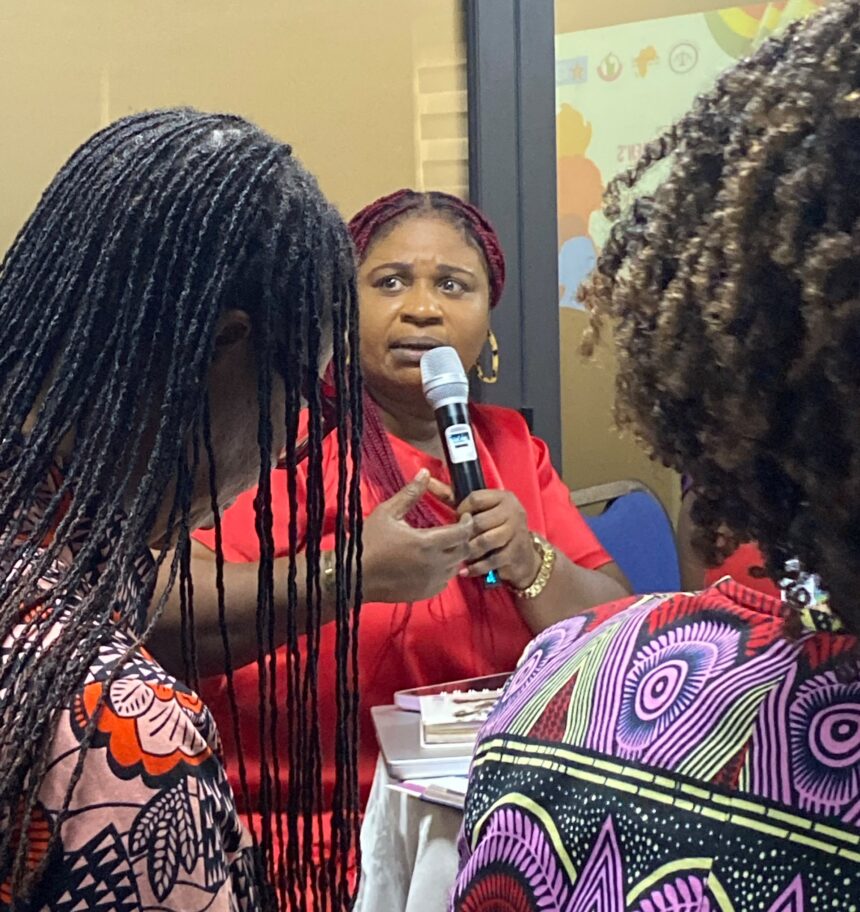
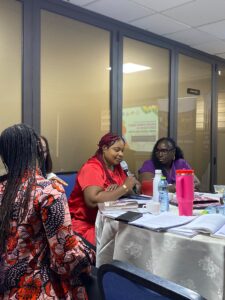
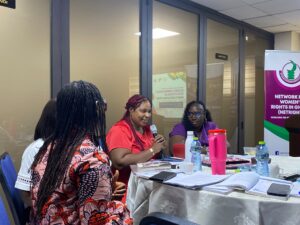
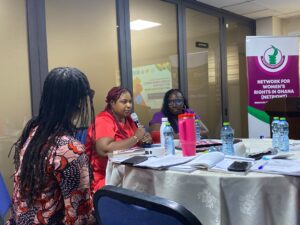
The initiative brought together stakeholders at a forum convened by the Affirmative Action Law Coalition, NETRIGHT-Ghana and other partners to deliberate on how the ongoing review of Ghana’s 1992 Constitution can better respond to the persistent barriers facing women in political leadership and decision-making.
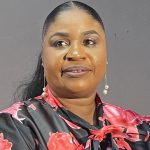
Among those who participated was Rebecca Ekpe, Vice President of the Ghana Journalists Association (GJA), who joined other women’s rights advocates, civil society representatives and media stakeholders in the discussions.
Push for proportional representation
A major focus of the forum was the proposal for proportional representation as part of efforts to improve women’s representation in Ghana’s governance structures.
Participants examined how constitutional and electoral arrangements could be strengthened to address the longstanding under-representation of women in Parliament, local government and other decision-making institutions.
The discussions formed part of a broader effort by women’s rights organisations to ensure that gender equality is not treated as an afterthought in the constitutional review process, but is incorporated into the architecture of Ghana’s democratic system.
Entrenching gender equality in the Constitution
Another key issue was the call for the constitutional entrenchment of gender-related provisions and women’s rights.
Advocates argued that constitutional reform presents an opportunity to move beyond general commitments to equality and create stronger institutional and legal guarantees for women’s participation and representation.
The forum therefore sought to develop areas of consensus that women’s rights organisations can advance collectively as Ghana considers amendments to the 1992 Constitution.
Why the conversation matters
Ghana’s constitutional review comes at a time when questions around representation, inclusion, accountability and the distribution of political power are receiving renewed attention.
For women’s rights advocates, the review provides an opportunity to examine whether the existing constitutional framework adequately addresses the structural barriers that have historically limited women’s participation in public life.
The conversation also goes beyond the number of women occupying political positions. It raises questions about:
- equal participation in political and public decision-making;
- mechanisms for increasing women’s representation;
- proportional representation and electoral reform;
- constitutional guarantees for gender equality;
- women’s participation in local governance;
- institutional accountability for gender commitments;
- financing and other barriers affecting women seeking elected office; and
- creating a political environment in which women can participate safely and meaningfully.
Role of the media
Rebecca Ekpe’s participation also brings the media dimension into the constitutional reform conversation.
As Ghana debates the future of its constitutional and democratic arrangements, the media has an important role in ensuring that women’s perspectives are visible in national discussions.
This includes providing space for women leaders, researchers, civil society organisations and communities to articulate their positions, while ensuring that constitutional reform is covered through an inclusive and gender-sensitive lens.
It also places responsibility on media organisations to examine how political reporting itself can either reinforce or challenge gender stereotypes.
Building consensus
The forum is significant because it seeks to move women’s rights organisations from individual advocacy positions towards a shared position on constitutional reform.
A common platform could enable women’s rights groups to engage more effectively with the constitutional review process, political parties, Parliament, traditional authorities, civil society and the wider public.
The emerging message is that constitutional reform must be inclusive and women must be active participants in shaping the constitutional settlement—not simply beneficiaries of reforms designed by others.
The engagement involving NETRIGHT-Ghana, the Affirmative Action Law Coalition and partner organisations therefore represents an important contribution to the wider national conversation on the future of Ghana’s 1992 Constitution.