
By Rebecca Ekpe
In Simple Terms, Tolerance is what allows a democracy to function without breaking apart. It turns diversity from a source of conflict into a source of strength.
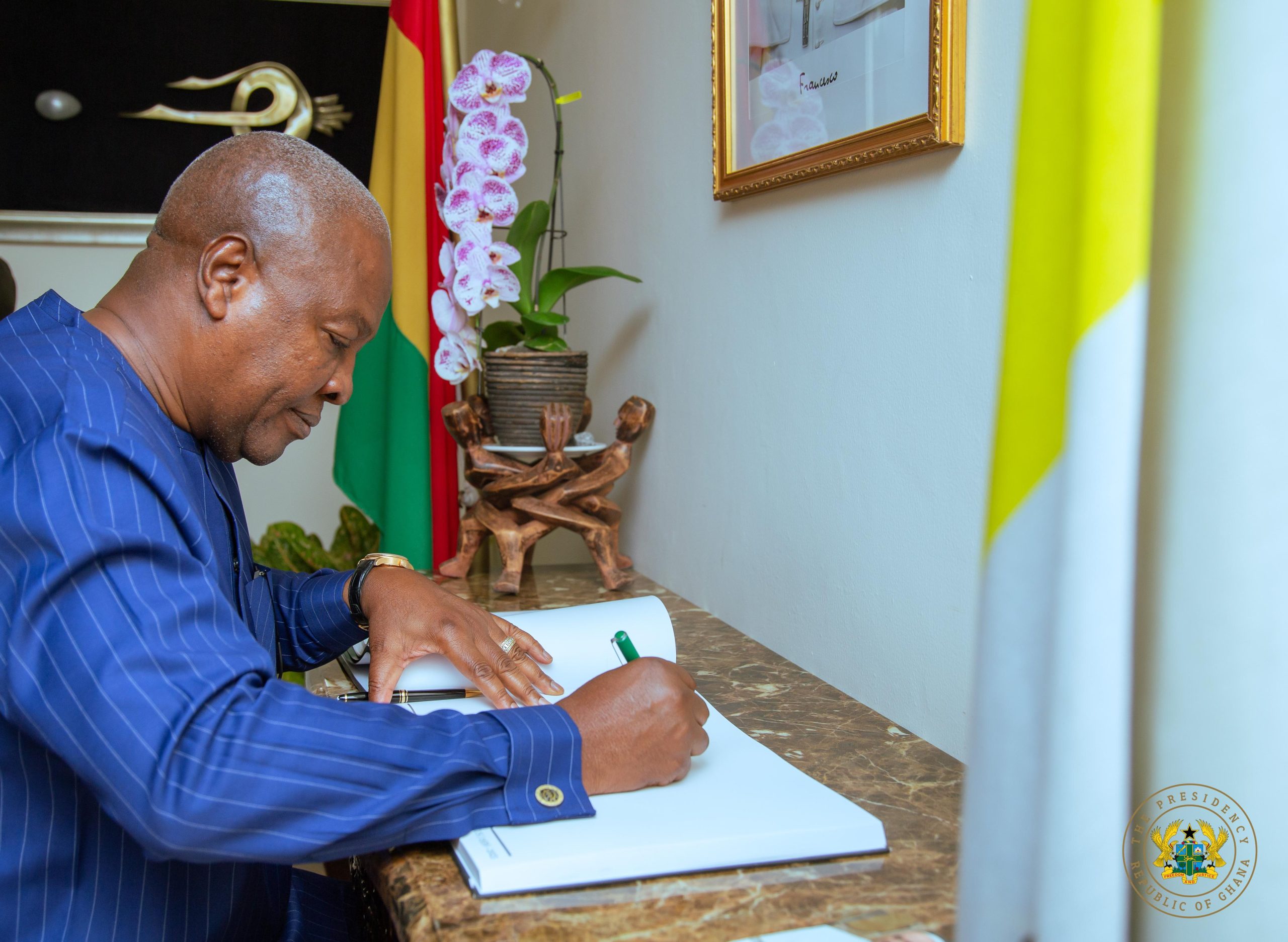
In every thriving democracy, tolerance is not just a moral virtue—it is a political necessity. Ghana, often celebrated as one of Africa’s most stable democracies, offers compelling examples of how tolerance has shaped national discourse through the words and actions of its leaders, including John Dramani Mahama and Nana Addo Dankwa Akufo-Addo.
Related Stories
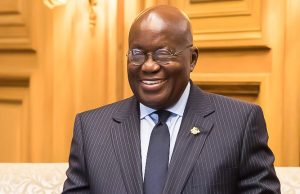 Nana Akufo Addo.
Tolerance and Democratic Dialogue in Ghana
Ghana’s democratic journey since 1992 has been largely peaceful, anchored on constitutional rule and respect for divergent views. Yet, like many democracies, it continues to grapple with tensions around free speech, political criticism, and media freedom. In this context, calls for tolerance—especially from national leaders—have played a critical role in sustaining democratic values.
Mahama’s Call for Tolerance of Criticism
Former President John Dramani Mahama has consistently emphasized the importance of tolerance, particularly in relation to freedom of expression and criticism.
On World Press Freedom Day in 2021, Mahama urged the government to “create an atmosphere that is more tolerant of criticism and devoid of intimidation.”
His statement reflected concerns among journalists and civil society groups about shrinking space for dissent and media safety.
Mahama has also directly challenged the political establishment to embrace opposing views. In 2021 and 2022, he stressed that leadership in a democracy requires openness to critique, urging the government to “learn to tolerate criticisms” as part of good governance.
For Mahama, tolerance is not passive—it is an active commitment to allowing citizens, journalists, and opposition voices to participate freely in national discourse. His stance highlights a core democratic principle: that criticism strengthens governance rather than weakens it.
Akufo-Addo and the Language of Democratic Inclusion
Former President Nana Addo Dankwa Akufo-Addo has also, in various speeches and policy directions, underscored the importance of inclusion, freedom, and pluralism—values closely tied to tolerance.
In his broader governance philosophy, Akufo-Addo emphasized freedom, human rights, and inclusive development, reflected in policies such as expanded access to education and social protection.
While not always framed explicitly as “tolerance,” these positions align with democratic tolerance by promoting equal opportunity and participation.
Additionally, his public remarks on evolving social issues—such as acknowledging that societal views on rights may change over time—suggest a recognition of the need for dialogue and gradual acceptance in a democratic setting.
However, Ghana’s political space under his administration also faced criticism from opponents, including Mahama, who argued that more needed to be done to ensure tolerance for dissenting voices, especially within the media landscape.
The Ghanaian Experience: A Balance of Contest and Coexistence
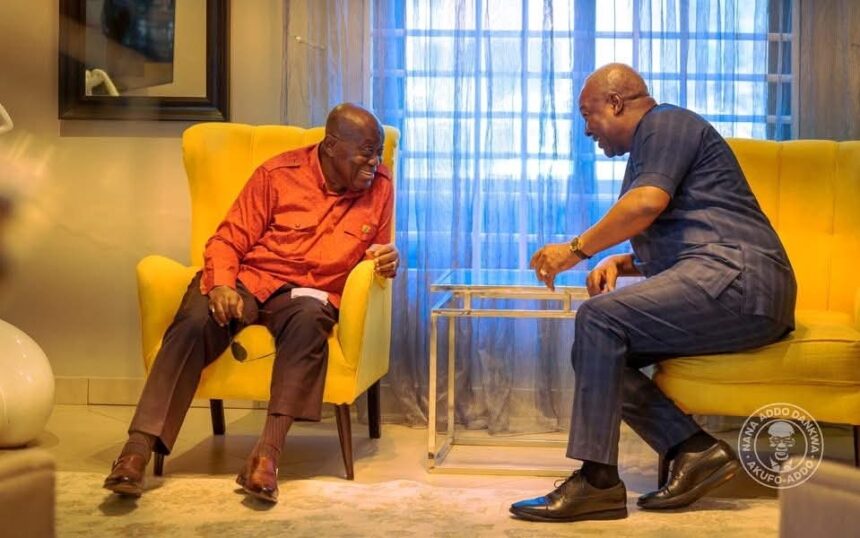
The exchanges between Mahama and Akufo-Addo themselves demonstrate an important feature of democracy: tolerance does not eliminate disagreement—it manages it. Ghana’s elections, often competitive and tense, have largely remained peaceful because political actors and citizens alike recognize the importance of coexistence.
From peaceful transfers of power to public debates between opposing parties, tolerance has enabled Ghana to avoid the deep political fractures seen in some other countries.
Why Tolerance Still Matters
The Ghanaian case shows that tolerance is not a one-time achievement but a continuous process. Leaders must model it, institutions must protect it, and citizens must practice it.
When leaders like Mahama call for tolerance of criticism, and when governance frameworks under leaders like Akufo-Addo emphasize inclusion and rights, they contribute—directly or indirectly—to strengthening democratic culture.
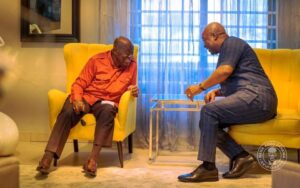
Way forward:
Tolerance remains one of the most powerful safeguards of Ghana’s democracy. It allows competing ideas to coexist, ensures that criticism leads to accountability, and fosters national unity despite political differences.
As Ghana continues to evolve, the enduring message from its leaders is clear: democracy survives not because people always agree, but because they choose to respect each other—even when they don’t.