
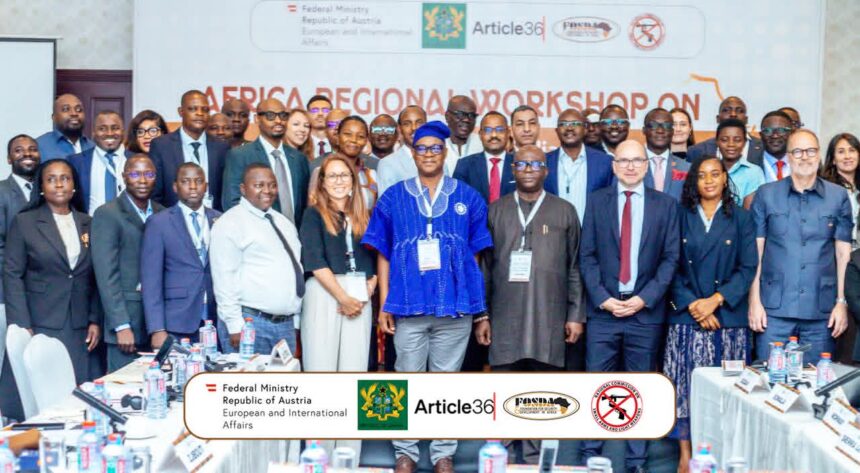
The Africa Regional Conference on Strengthening the Protection of Civilians from the Use of Explosive Weapons in Populated Areas (EWIPA) is taking off.
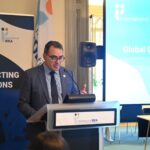
Co-hosted in Accra by the National Commission on Small Arms and Light Weapons (NACSA) and the Republic of Austria, in collaboration with the Foundation for Security and Development in Africa and Article 36, the conference convenes over 50 delegates from across the African continent, together with key regional and international partners. United by a shared commitment, participants will advance collective efforts to strengthen the protection of civilians in armed conflict.
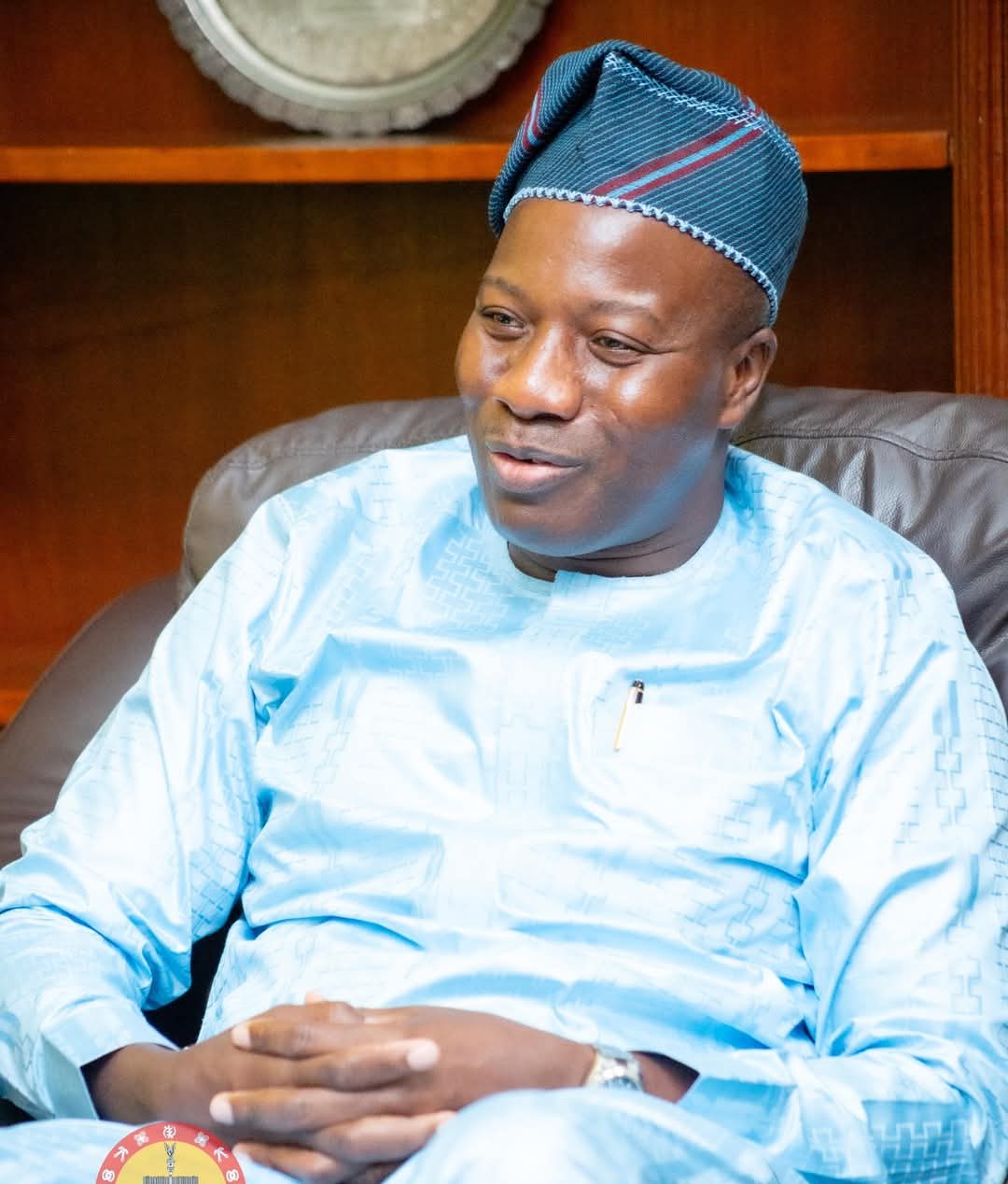
The opening session is being graced by high-level dignitaries and representatives, including:
* Hon. Ebenezer Okletey Terlabi, Deputy Minister for the Interior, Republic of Ghana
* H.E. Jürgen Heissel, Ambassador of the Republic of Austria to Ghana
* H.E. John Mikal Kvistad, representing the Kingdom of Norway
* H.E. Limam El Jalil Aall Brahim, representing the African Union
* Representatives of the Economic Community of West African States
* Dr. Adam A. A. Bonaa, Executive Secretary, Small Arms Commission
* Brigadier General Dan Kuwali, representing the Republic of Malawi
Also in attendance are senior officials from Ghana’s Ministry of Foreign Affairs and Regional Integration, alongside representatives of key international organisations including the International Committee of the Red Cross, United Nations Office for Disarmament Affairs, United Nations Institute for Disarmament Research, Article 36, and Humanity & Inclusion, as well as partner civil society organisations.
Deliberations are currently underway to reinforce policy frameworks, institutional partnerships, and practical measures aimed at mitigating the impact of explosive weapons in populated areas and enhancing civilian protection across Africa.