
The Alisa Hotel in Accra was full on the evening of 6 June 2026. Journalists in crisp kente stoles, veteran reporters with decades behind them, and partners who fund the work filled the hall. The Ghana Journalists Association was marking World Press Freedom Day, and later in the night it would honour the people who built Ghana’s media.
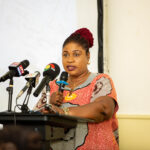
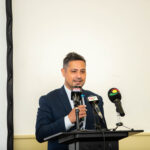
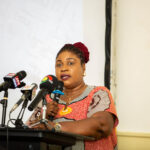
Prof. Akua Opokua Britwum, Chairperson, National Media Commission, with UNESCO Country Representative, Edmound Moukala
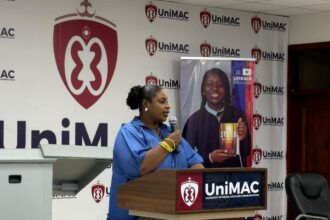
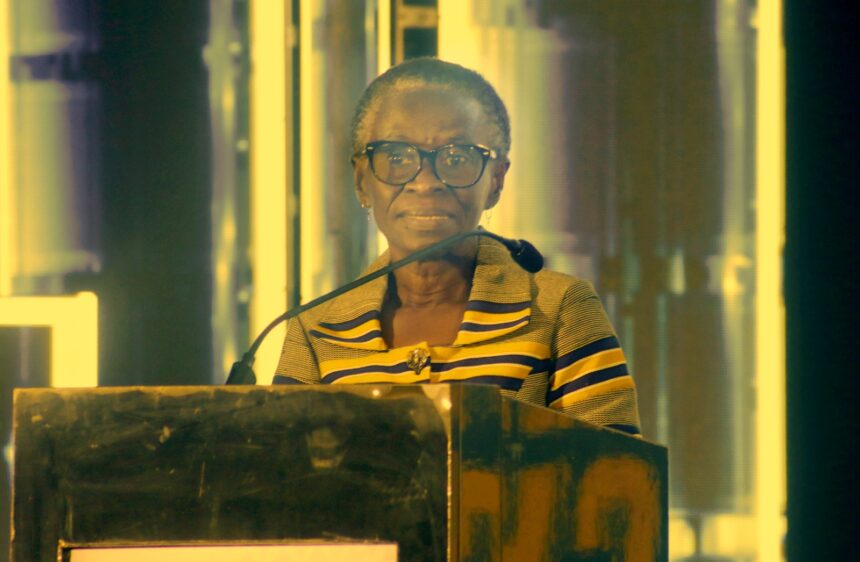
Prof. Akua Opokua Britwum stepped to the podium as Chairperson of the National Media Commission. She brought greetings from the NMC and thanked the GJA for keeping the tradition alive. She reminded the room why 3 May matters: the UN General Assembly had set it aside in 1993 on UNESCO’s recommendation to celebrate press freedom, reflect on it, support it, and remember journalists lost on duty.
This year’s theme, she noted, was “Shaping a future at Peace: Promoting Press Freedom for Human Rights, Development and Security”. The night would also honour veteran journalists and partners for their role in national development.
Prof. Britwum spoke of the bond between the NMC and the GJA. Two GJA representatives sit on the Commission. She stressed that credible media rests on professionalism journalists must build themselves. Events like this, she said, motivate not just award winners but everyone producing information.
She turned to the hard realities. UNESCO’s 2026 statement had flagged a sharp decline in press freedom worldwide. Journalists face online harassment, judicial intimidation, and economic pressure. The result, she said, is rising self-censorship driven by fear of reprisals.
The biggest threat, she argued, is money. Sustainable financing is the media’s existential challenge. When survival becomes desperate, ethics and standards slip, and the foundation of media integrity weakens. Working conditions worry her too: recruitment, job security, social protection, training, and career progression. If you ranked professions by precarity of employment, journalism would be near the top.
Another danger is “selling” news to the highest bidder. As audiences chase balanced reporting, many move to new media where ethical restraints are harder to enforce. That opens the door for mischief and misinformation.
She closed by repeating UNESCO’s call: rethink how the media industry is financed and invest more in journalists as “a lever of peace”. Independent journalism and public trust depend on it.
Then she wished the GJA a successful celebration, congratulated the award recipients, and urged them to work harder and inspire others. What matters, she said, is what we do with the focus this day gives us for the rest of the year. She commended those who fund the GJA’s work.
“Long live the GJA, the award recipients, and press freedom to secure sustainable development for Ghana.”