
The Economic Community of West African States (ECOWAS) has called for stronger systems to generate reliable, timely and comprehensive data on drug use and trafficking across the region to support effective policy responses.
Head of the Prevention and Drug Control Division at the ECOWAS Commission, Dr. Daniel Amankwaah, said the changing nature of the drug situation in West Africa requires policymakers and other stakeholders to have access to accurate and up-to-date evidence.
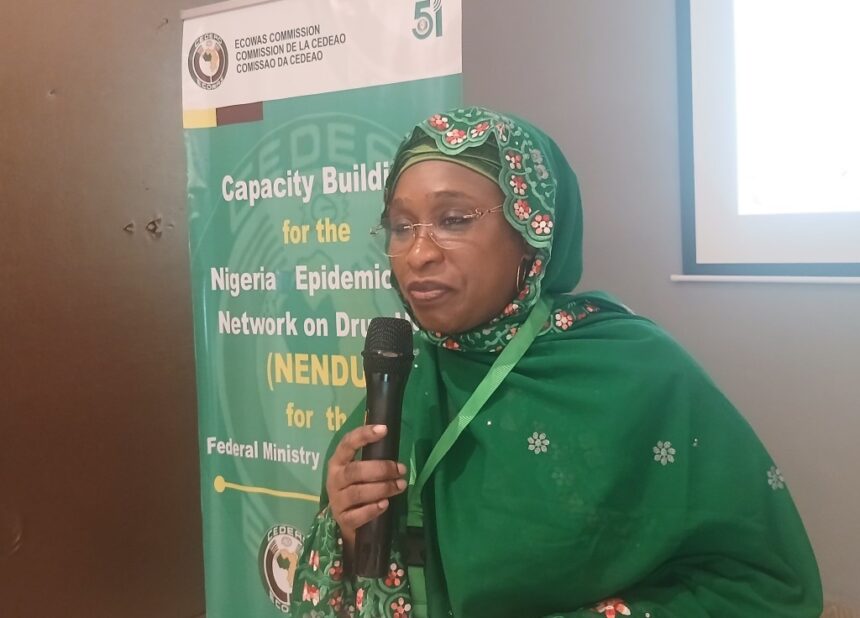
He made the call at the closing ceremony of a capacity-building workshop for the Nigerian Epidemiological Network on Drug Use (NENDU) held on Thursday, August 13, 2026, in Lagos, Nigeria.
Dr. Amankwaah stressed that effective drug policies must be grounded in credible evidence, noting that without reliable information on the scale, patterns and emerging trends in drug use, interventions could fail to address the real needs of affected populations.
Data critical to effective response
According to him, strengthening drug-use data collection and analysis is essential to enabling governments to understand emerging patterns and design appropriate prevention, treatment and control measures.
He emphasised that “an effective policy relies on reliable data,” making a strong case for sustained investment in epidemiological surveillance and evidence-based approaches to drug control.
The ECOWAS official also highlighted the importance of strengthening national data systems and ensuring that information generated by different institutions can contribute to a broader regional understanding of the drug situation.
Building stronger national capacity
The workshop for NENDU formed part of efforts to strengthen the capacity of professionals involved in collecting, analysing and reporting data on drug use in Nigeria.
Such capacity-building initiatives are expected to improve the quality and availability of evidence needed by policymakers, health professionals, law enforcement agencies and other stakeholders.
A stronger evidence base can also help countries identify vulnerable populations, monitor changes in drug-use patterns and assess whether prevention and treatment programmes are achieving their intended results.
Regional cooperation needed
The call comes amid the need for greater cooperation among ECOWAS Member States in addressing drug-related challenges, which increasingly transcend national borders.
ECOWAS continues to encourage Member States to strengthen coordination, information sharing and evidence-based policymaking as part of efforts to address drug-related health and security challenges.
The development of reliable regional data could therefore provide a stronger foundation for coordinated interventions, resource allocation and monitoring of progress across West Africa.
Dr. Amankwaah’s message was clear: West Africa cannot effectively confront an evolving drug situation without first knowing its true scale, patterns and impact.
Reliable data, he stressed, must remain at the centre of the region’s drug prevention and control efforts.