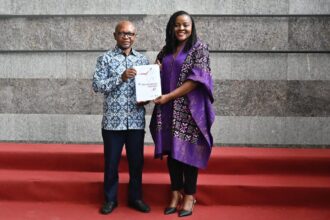

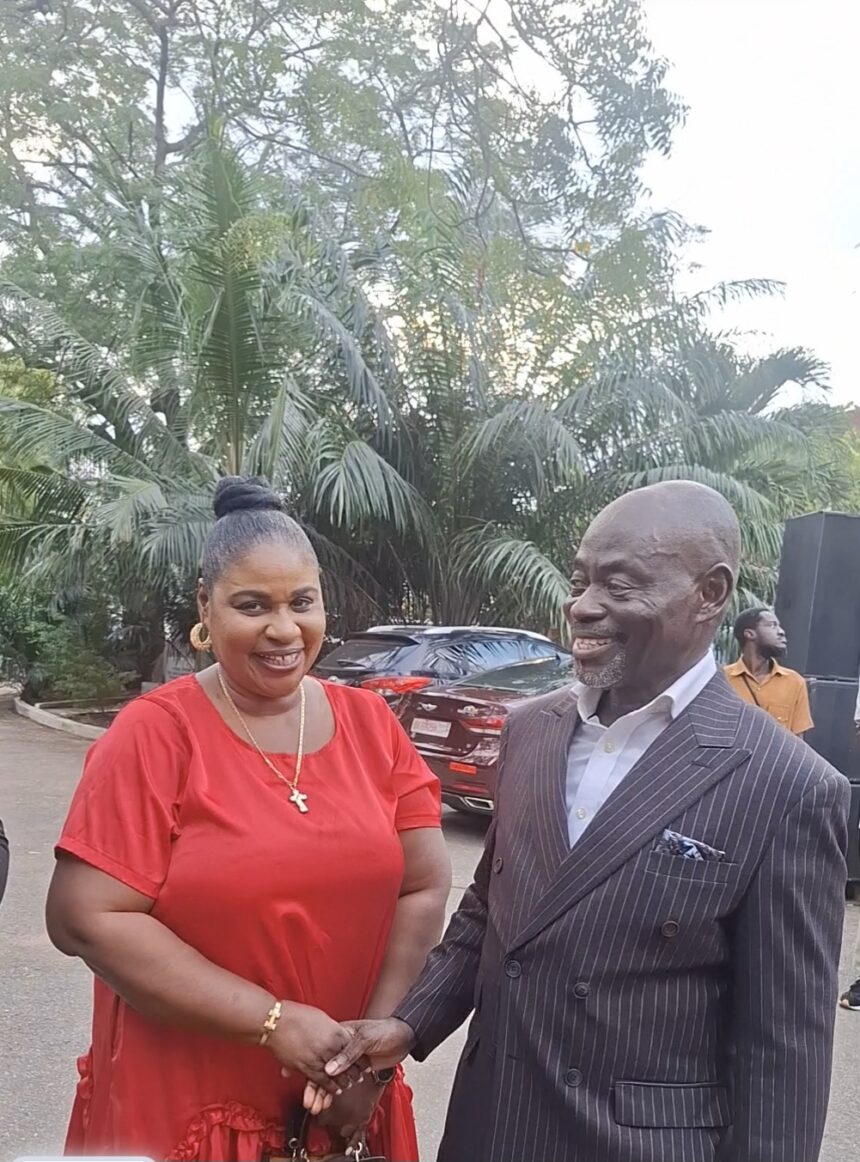
A compelling call for responsible political communication, media accountability and peaceful elections took centre stage at the launch of Voices for the Ballot: Electoral Communications in Ghana, authored by Nana Sifa Twum.
The book launch provided an important platform for reflection on the power of communication in shaping Ghana’s electoral processes, influencing public opinion and strengthening democratic governance.
At a time when political communication is increasingly shaped by social media, partisan narratives, misinformation and heated political debates, the publication comes as a timely contribution to Ghana’s democratic conversation.
Related Stories

Voices for the Ballot: Electoral Communications in Ghana examines the critical relationship between communication, journalism and the media in the country’s electoral processes. It explores electoral discourse, political communication, media literacy, the responsibilities of media practitioners and the media’s broader contribution to credible, peaceful and informed elections.
Beyond examining how political messages are crafted and disseminated, the book draws attention to the responsibility of political actors, journalists, media organisations and citizens in ensuring that electoral communication informs rather than misleads, educates rather than polarises, and promotes democratic participation rather than fuels division.
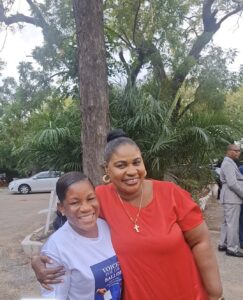
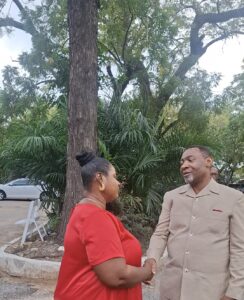
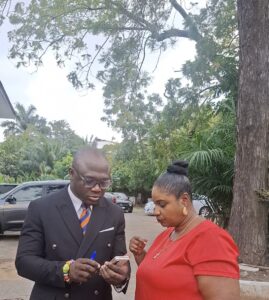
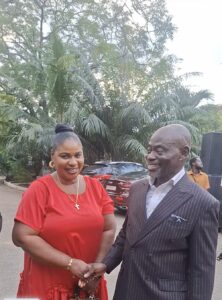 Pictures from the launch of Voices for the Ballot: Electoral Communication in Ghana at Ghana International Press Center in Accra.
Dr Sifa Twum Calls for a New Approach to Electoral Communication
One of the central messages emerging from the launch was the need to rethink the purpose of electoral communication in Ghana.
Dr Twum challenged political actors and other stakeholders to move beyond communication strategies designed primarily to win votes and embrace approaches that educate citizens, encourage meaningful participation and strengthen democracy.
He argued that electoral communication must help citizens understand their rights, responsibilities and role in national development, rather than become a vehicle for political propaganda, division and the pursuit of power.
NEWS UPDATE+1
The author also introduced the Communicative Alignment Theory of Electoral Influence (CAT-EI), a framework examining how the message, messenger, medium, voter understanding and feedback interact to influence electoral outcomes.
The publication further examines Ghana’s 2024 general election and the changing landscape of political communication, including the influence of digital platforms, social media influencers, misinformation, political rhetoric and grassroots mobilisation.
Ghana News Agency+2
Media responsibility at the heart of democratic development
For journalists and media organisations, the issues raised by the publication are particularly significant.
The media remains a critical institution in the electoral process, with the responsibility to provide accurate information, scrutinise political promises, facilitate balanced public debate and hold political actors accountable.
As Ghana continues to strengthen its democratic credentials, responsible journalism, professional political communication and effective voter education must remain central to the country’s electoral journey.
The discussions at the launch, moderated by Professor Etse Sikanku, Dean of the School of Journalism and Media Studies at the University of Media, Arts and Communication, also provided an opportunity for stakeholders to reflect on the future of democracy and the role of communication in building public trust.
Graphic Online
A timely contribution to Ghana’s democratic journey
The launch of Voices for the Ballot: Electoral Communication in Ghana is more than the introduction of another academic publication. It is an invitation to politicians, journalists, communication professionals, electoral institutions, academia and citizens to reflect on the quality of conversations shaping the nation’s democracy.
Ultimately, elections should be about more than political competition and the numbers at the ballot box. They should be about informed choices, accountability, peaceful participation and the collective future of the nation.
The ballot gives citizens a voice. Responsible communication ensures that voice is informed, respected and heard.
Congratulations to Dr Nana Sifa Twum on this important contribution to Ghana’s media, communication and democratic development.