
The International Federation of Journalists (IFJ) has condemned the mandatory military training of journalists in Burkina Faso, describing the initiative as an alarming attempt by the country’s military-led government to intimidate journalists and influence media coverage of the country’s security situation.
The Ministry of Security reportedly conscripted 44 journalists from public and private media organisations across Burkina Faso for a six-day military training programme that began on August 9, 2026, at the Police Academy in Pabré, approximately 20 kilometres from the capital, Ouagadougou.
The programme, described by the government as the beginning of an annual “patriotic immersion” exercise, includes military fundamentals, weapons training, physical exercises, first aid and tactical emergency response.
The development has raised concerns about the independence of the media, particularly as Burkina Faso continues to battle armed jihadist groups and faces heightened restrictions on press freedom.
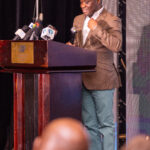
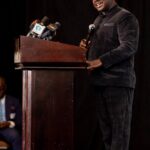
In a video broadcast by state broadcaster Radiodiffusion Télévision du Burkina (RTB), Minister of Communication and government spokesperson Pingwendé Gilbert Ouedraogo is seen addressing journalists carrying weapons.
The minister reportedly questioned whether the participants would be “patriotic, professional journalists”, warning that those who were not could become a “threat” to the country.
The Director of the Police Academy, Lassina Traoré, meanwhile, defended the programme, saying it would enable journalists to better understand the operational realities and values of Burkina Faso’s defence and security forces.
However, the IFJ strongly rejected the justification, arguing that military training imposed on journalists risks undermining their professional independence.
IFJ General Secretary Anthony Bellanger said the compulsory training amounted to intimidation and could be used to control how journalists report on the conflict with jihadist groups and developments within the country.
“The forced enrolment of journalists in a military training programme is a form of intimidation and a means of controlling what journalists report on concerning the conflict with jihadist groups, as well as the situation in the country,” Bellanger said.
He maintained that journalists should be trained by media organisations and professional institutions in accordance with established journalistic ethics and principles.
“The military has no business training journalists in the ethics of conflict reporting,” he added, calling on the authorities to abolish the programme.
A Threat to Media Independence
The controversy comes at a particularly sensitive time for Burkina Faso, where the military authorities have introduced measures that have placed increased pressure on the media and journalists covering the security crisis.
While journalists covering armed conflicts require specialised training in areas such as personal safety, first aid, hostile-environment awareness and emergency response, media freedom advocates argue that such training should be voluntary, professionally designed and independent of political or military control.
The distinction is crucial: preparing journalists to operate safely in conflict zones is fundamentally different from requiring them to undergo military training and weapons handling under state security institutions.
The IFJ’s objection therefore goes beyond the six-day exercise itself. It raises a broader question about whether journalists can independently scrutinise military operations, government policies and the security situation when they are simultaneously subjected to compulsory programmes organised by the security establishment.
For media organisations across Africa, the development also serves as a warning about the importance of protecting editorial independence, journalist safety and the right of the public to receive independent information, particularly during periods of conflict and political instability.
The IFJ is consequently urging Burkina Faso’s authorities to end the compulsory military training programme and respect the independence of journalists and media institutions.