
By Vivian Amoah
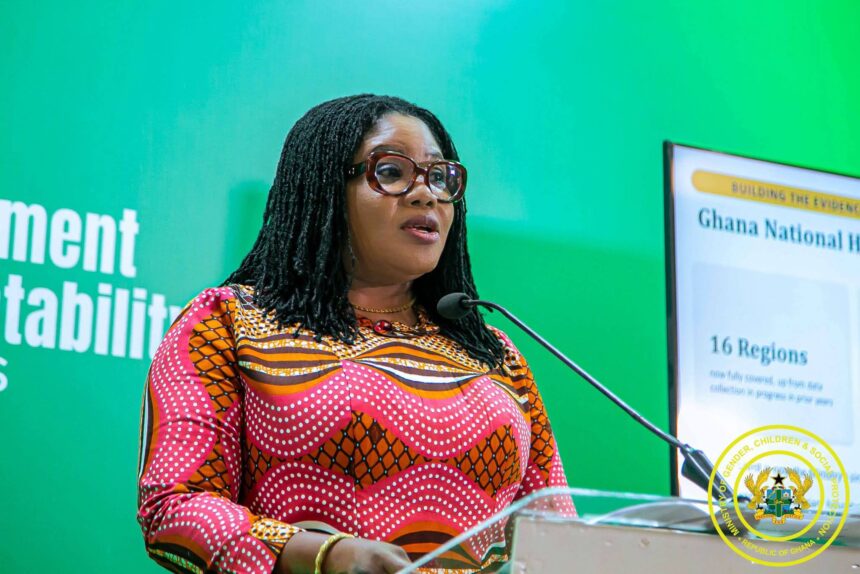
The Minister for Gender, Children and Social Protection, Dr Agnes Naa Momo Lartey, has outlined a number of measures being implemented by government to strengthen social protection and improve support for vulnerable groups.
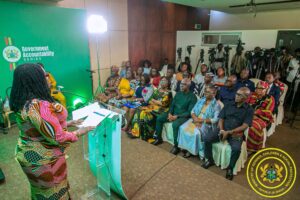
Speaking during the Government Accountability Series on Wednesday, September 16, 2026, Dr Lartey discussed programmes and initiatives under her ministry, including the Livelihood Empowerment Against Poverty (LEAP) programme, support for persons with disabilities, child welfare and the protection of vulnerable persons.
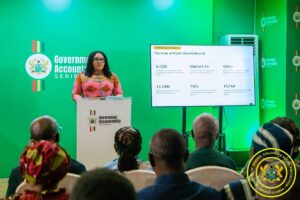
A major focus of the engagement was the expansion of the LEAP programme. Government has announced plans to increase coverage from 350,000 to 450,000 households under the proposed BIG LEAP initiative. The Minister had earlier explained that the expansion forms part of efforts to strengthen social protection for poor and vulnerable households.
The Ministry has also recently completed a reassessment of LEAP beneficiaries, with payments to eligible households resuming nationwide on September 14, 2026. The reassessment was intended to identify households that still qualify for support and enrol newly identified poor and vulnerable households.
Dr Lartey also spoke about efforts to strengthen protection for persons affected by accusations of witchcraft. The Anti-Witchcraft Accusations Bill is currently going through legal processes, with proposed amendments to the Criminal Offences Act before the Attorney General’s Department.
The Minister has previously said the government is committed to advancing the legislation to provide stronger protection for people subjected to witchcraft-related accusations and abuse.
The Government Accountability Series, organised by Presidency Communications, provides a platform for ministers to account for policies, programmes and activities within their respective sectors. Dr Lartey’s appearance focused on issues concerning gender, children and social protection.