
The Economic Community of West African States (ECOWAS) has reaffirmed its commitment to supporting vulnerable communities in Liberia through a humanitarian intervention providing cash assistance, safe water and sanitation facilities, and agricultural livelihood support to populations affected by disasters and economic hardship.
The intervention, valued at US$725,491, is aimed at strengthening livelihoods, improving access to essential services and helping disaster-affected communities recover and build resilience.
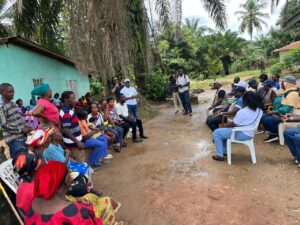
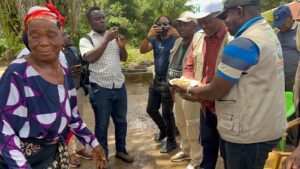
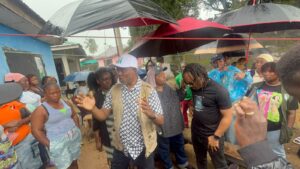
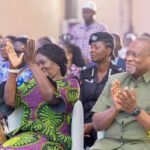
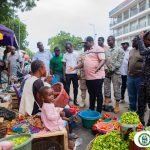
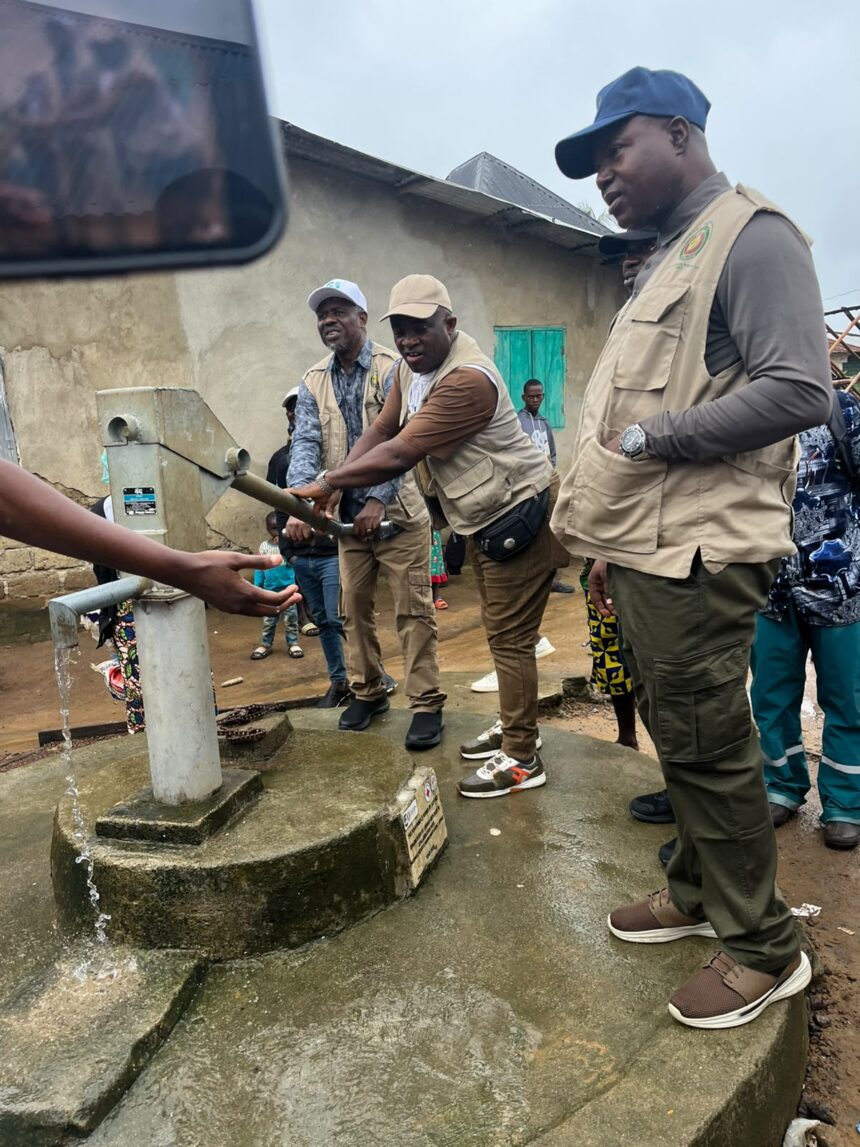
The Acting Director of the Directorate of Humanitarian and Social Affairs of the ECOWAS Commission, Dr. Mohammed Ibrahim, led an ECOWAS delegation on a monitoring mission to communities in Bong and Grand Cape Mount Counties to assess the impact of the intervention on Persons of Concern and other vulnerable populations.
The programme is being implemented by the Liberian Red Cross Society, in collaboration with the Liberian National Disaster Management Agency.
CASH SUPPORT FOR FLOOD VICTIMS
In Bong County, residents whose homes were destroyed by flooding received US$250 each in cash assistance to help meet immediate recovery needs.
The support is intended to enable affected households to address urgent priorities as they rebuild their lives following the devastating effects of flooding.
Beyond emergency assistance, the intervention also includes an agricultural livelihood component designed to help vulnerable households restore their productive capacity.
By providing support for agricultural activities, the programme seeks to enable families to regain their means of livelihood, strengthen household food security and become less dependent on emergency assistance.
The approach reflects a shift from short-term humanitarian relief towards recovery, resilience and sustainable livelihoods.
SAFE WATER FOR GRAND CAPE MOUNT
In Grand Cape Mount County, the intervention has focused on Water, Sanitation and Hygiene (WASH), including the installation of hand pumps to improve access to safe and reliable drinking water.
For communities where access to clean water remains a critical public health concern, the facilities are expected to contribute to the prevention of waterborne diseases while improving health, dignity and overall community wellbeing.
Access to safe water is particularly important in communities recovering from disasters, where damaged infrastructure and displacement can increase the risk of disease outbreaks.
CALL FOR INCLUSIVE HUMANITARIAN SUPPORT
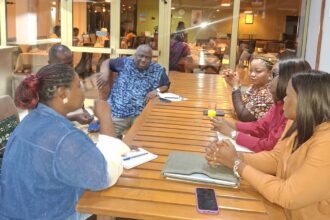
During engagements with the ECOWAS delegation, beneficiaries stressed the importance of ensuring that humanitarian interventions reach those who need them most.
They particularly highlighted the needs of elderly people and other vulnerable groups, who can face greater difficulties recovering from disasters because of poverty, limited resources and restricted access to essential services.
The beneficiaries’ concerns reinforced the importance of ensuring that humanitarian interventions are not only timely but also inclusive, targeted and responsive to the realities of affected communities.
‘ECOWAS OF THE PEOPLE’
Dr. Ibrahim said the intervention demonstrates ECOWAS’ broader commitment to making regional integration meaningful to ordinary citizens.
“This project reflects ECOWAS’ commitment to moving from an ECOWAS of States to an ECOWAS of the people,” he said.
According to him, the initiative demonstrates the determination of the regional organisation to ensure that its work translates into tangible benefits for citizens, particularly communities experiencing hardship and vulnerability.
For beneficiaries, regional integration is therefore not simply about policies, treaties and institutional frameworks. It can also be experienced through practical interventions that improve everyday life — from safe drinking water and sanitation to post-disaster assistance and opportunities to rebuild livelihoods.
BUILDING RESILIENCE BEYOND RELIEF
The Liberia intervention underscores the growing importance of humanitarian assistance that combines immediate relief with long-term recovery and resilience.
By bringing together cash assistance, WASH infrastructure and agricultural livelihood support, the programme seeks to address both the immediate and underlying vulnerabilities confronting affected communities.
For families recovering from floods and economic hardship, the assistance provides more than material support. It offers an opportunity to rebuild homes, restore livelihoods, improve health and regain confidence in their ability to provide for themselves.
The intervention also demonstrates how regional cooperation can extend beyond political and economic integration to address the human security and welfare of West African citizens.
As ECOWAS continues to strengthen its humanitarian response mechanisms, initiatives such as the Liberia intervention provide a practical demonstration of what a people-centred regional organisation can mean for communities on the ground.
From the provision of emergency cash to families displaced by floods, to the installation of hand pumps and support for agricultural livelihoods, the intervention is helping vulnerable Liberian communities move from disaster towards recovery, from vulnerability towards resilience, and from hardship towards renewed hope.