
President John Dramani Mahama has commissioned the Northshore Apparel Ghana Limited manufacturing hub at Savelugu in the Northern Region, describing the facility as a major step towards restoring Northern Ghana’s industrial potential and creating sustainable jobs.
The commissioning, held on Friday, August 28, 2026, forms part of the government’s 24-Hour Economy agenda, which seeks to expand production through multiple shifts, create employment and accelerate exports.
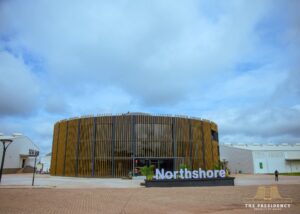
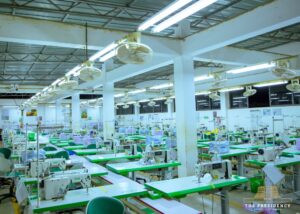
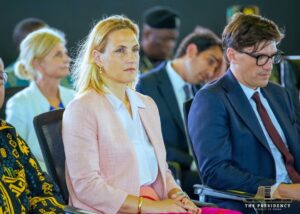
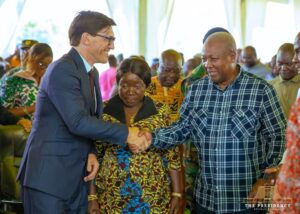 President Mahama commissions Northshore Apparel in Savelugu.
A new industrial chapter for the North
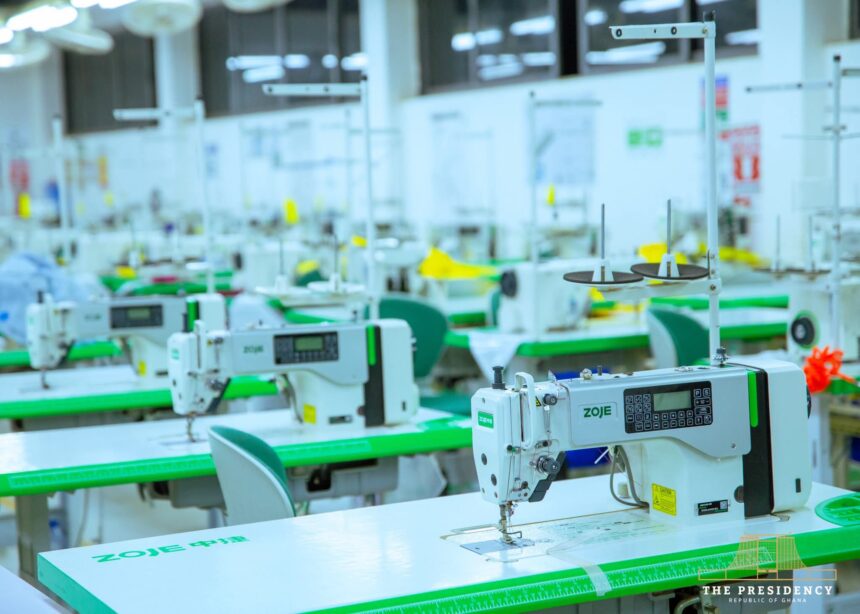
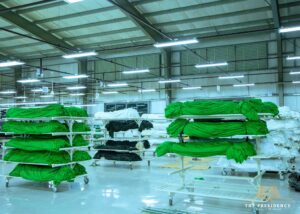
The wholly Ghanaian-owned apparel facility currently operates about 50–51 production lines on a 40,000-square-metre production site. It produces garments including T-shirts, polo shirts, hoodies, children’s wear, sportswear, underwear, leggings and trousers for local and international markets.
The factory has already trained and employed more than 2,300 workers, with plans to expand employment to about 10,000 people as production increases. The wider planned industrial hub could ultimately create opportunities for up to 30,000 young people.
President Mahama said the project demonstrates that Northern Ghana can successfully host large-scale manufacturing despite long-standing concerns about access to markets, infrastructure and other factors of production.
“Northshore has made nonsense of all traditional economic arguments about factors of production.”
Women and persons with disabilities at the centre
One of the most significant aspects of the project is its emphasis on inclusion. 80% of available jobs are reserved for women and vulnerable groups, while the facility has a clinic, crèche and canteen to support workers. The company has also employed people with hearing impairment in collaboration with the Savelugu School for the Deaf.
This has particular significance for young women in northern Ghana who often migrate southwards in search of work. The factory brings formal employment opportunities closer to their communities.
From cotton to finished garments
The project is also designed to help revive Ghana’s cotton value chain. Its future phases are expected to include increased sewing capacity, a cotton facility, additional renewable-energy generation, a fabric mill and a cotton outgrower scheme. The broader ambition is for Ghanaian cotton to be grown, processed and transformed into finished garments locally for export.
The facility incorporates sustainability measures including solar power, an anaerobic biodigester and a large water-storage system, supporting what the Presidency describes as a regenerative apparel model.
Investment, not aid
President Mahama also used the occasion to emphasise his administration’s approach to international development partnerships.
“We look for investment and not aid,” he said, pointing to the financing structure involving Ghana EXIM Bank, Germany’s KfW Development Bank and other partners as an example of productive investment that can generate jobs, exports and economic returns.
He further announced plans to strengthen government procurement policies so that public institutions can give preference to qualified Ghana-made products, creating a ready domestic market for local manufacturers.
Why Northshore matters
The Savelugu factory is more than a garment factory. It represents an attempt to move industrialisation beyond Accra and Tema, create jobs where people live, reduce north-south migration and turn Ghanaian raw materials into finished products for global markets.
For Northern Ghana, the message is particularly powerful:
The North does not have to export its young people to find opportunity. Opportunity can be created where they live.
And for Ghana’s 24-Hour Economy, Northshore Apparel provides a practical test of whether investment, manufacturing, skills development and export production can be combined to create decent jobs and sustainable economic growth.