
The Ministry of Gender, Children and Social Protection (MoGCSP) is strengthening efforts to promote gender equality by empowering young men and boys in Ghana’s transport sector to become champions for the rights of women and girls.

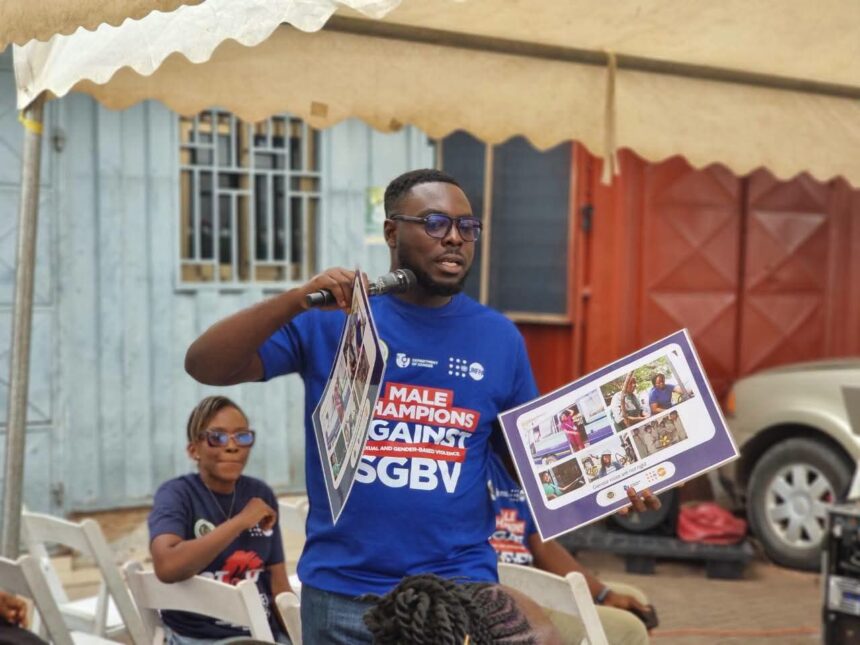
Through its Department of Gender, in partnership with the Ghana Private Road Transport Union (GPRTU) and with support from the United Nations Population Fund (UNFPA), the Ministry organised an interactive dialogue at the Tema Lorry Station in Accra to educate drivers, transport workers and young men on Gender Equality, Sexual and Reproductive Health and Rights (SRHR), and the fight against child marriage.
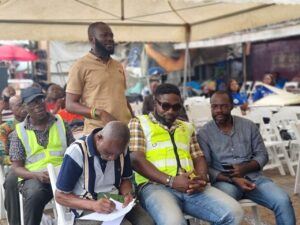
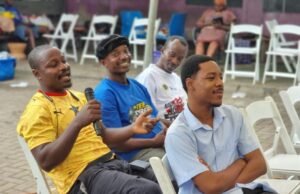 Gender Ministry officials on Gender Social Norms at Tema Station in Accra.
The initiative recognises that transport operators interact with thousands of people every day, placing them in a unique position to influence attitudes, challenge harmful stereotypes and promote positive social change within their communities.
Representing the Director of the Department of Gender, Principal Programme Officer Madam Sabia Kpekata described gender equality as a cornerstone of sustainable development, stressing that meaningful progress can only be achieved when men and boys actively participate in advancing equal opportunities for all.
She encouraged transport workers to extend the conversation beyond the workshop by engaging colleagues at their stations and becoming advocates for respect, dignity and the empowerment of women and girls.
The Tema Station representative of the Ghana Private Road Transport Union, Mr Edward Padie, welcomed the initiative and pledged the union’s support. He urged drivers and their assistants to speak out against child marriage, protect the rights of girls and encourage families to keep girls in school, describing education as one of the strongest tools for breaking the cycle of poverty and inequality.
Participants also received practical education on Sexual and Reproductive Health and Rights from Programme Officer Mr Isaac Mensah, who highlighted the importance of informed decision-making, consent, mutual respect and safeguarding the dignity of women and girls. Discussions also examined the devastating consequences of child marriage on the health, education and future of young girls.
The dialogue provided a safe platform for participants to openly discuss gender-related issues, reflect on harmful social norms and explore practical ways they can contribute to safer communities and healthier relationships.
By engaging men and boys as allies, the Ministry continues to demonstrate that achieving gender equality is a shared responsibility—one that requires every member of society to challenge discrimination, protect vulnerable groups and build a future where women, girls, men and boys can all thrive with equal opportunities and respect.