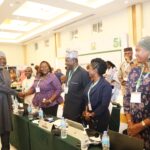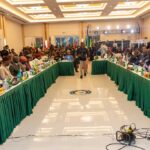

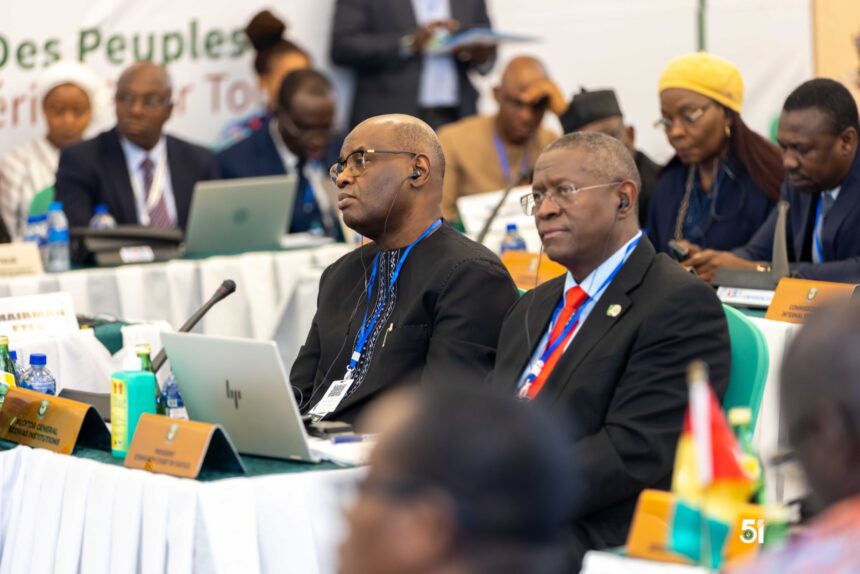
Ministers from across the Economic Community of West African States (ECOWAS) have convened in Freetown for the 96th Ordinary Session of the ECOWAS Council of Ministers, setting the stage for key decisions ahead of the Ordinary Session of the ECOWAS Authority of Heads of State and Government scheduled for July 19, 2026.
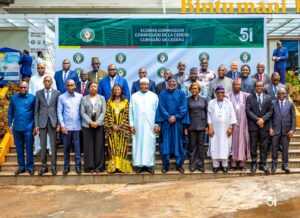
The two-day ministerial meeting, held from July 16 to 17, brings together ministers responsible for foreign affairs, finance, and regional integration to review critical issues affecting the 15-member regional bloc and prepare recommendations for consideration by Heads of State.
Top on the agenda are discussions on the financial situation of the Community, aimed at strengthening ECOWAS’ capacity to effectively implement its programmes and respond to emerging regional challenges. Ministers are also reviewing a memorandum on the security and political situation in West Africa, as the region continues to confront threats posed by terrorism, violent extremism, unconstitutional changes of government, and transnational organised crime.
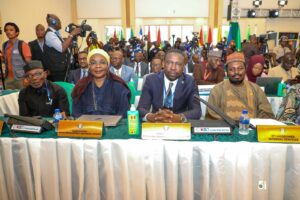
Another major item before the Council is the proposed 2027–2030 Action Plan on the Return of Cultural Property to their Countries of Origin. The initiative reflects ECOWAS’ growing commitment to preserving Africa’s cultural heritage and supporting international efforts to recover historical artefacts removed from the continent during the colonial era.
The Council is also examining measures for the operationalization of the ECOWAS Economic, Social and Cultural Council (ECOWAS-ECOSOCC). Once fully established, the body is expected to provide civil society organizations, professional associations, youth groups, women, academia, and the private sector with a stronger voice in regional policymaking and governance.
The ministerial session serves as a crucial platform for harmonizing positions on regional priorities before they are presented to the Authority of Heads of State and Government. Decisions emerging from the summit are expected to shape ECOWAS’ strategic direction on peace and security, economic integration, governance, and sustainable development.
As West Africa navigates a rapidly evolving political and security landscape, the Freetown meetings underscore ECOWAS’ continued efforts to strengthen regional cooperation, promote stability, and advance inclusive development for the benefit of its more than 400 million citizens.