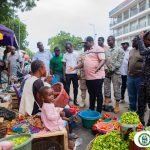

The devastating floods affecting communities across Ghana have once again demonstrated the compassion of many Members of Parliament, who have visited affected areas with food, cash, mattresses, roofing sheets and other relief items. Their concern for constituents is commendable.
However, these recurring moments also expose a structural weakness in our democracy.
In any well-functioning democracy, emergency response should be led by the State through adequately funded public institutions with the mandate, expertise and resources to protect citizens. Parliament’s constitutional role is to legislate, provide oversight and ensure that these institutions are effective and accountable, not to replace them.
Yet, over time, we have normalized an expectation that MPs must personally finance disaster relief. The measure of a “good MP” increasingly becomes how much they can spend during crises, rather than how effectively they shape laws, influence policy or hold government accountable.
This has profound implications for Ghana’s democracy.
Every time we expect elected representatives to spend significant personal resources to respond to disasters, we increase the cost of political participation. Politics becomes less about ideas, competence and public service, and more about financial capacity.
This disproportionately disadvantages women, young people and persons with disabilities groups that already face structural barriers to political participation. Many capable leaders from these groups do not have access to the financial networks or personal wealth required to meet these growing expectations of private spending. As these expectations become entrenched, public office becomes increasingly accessible only to those with substantial financial resources or wealthy political backers.
The result is a political system that unintentionally reproduces inequality. Citizens may receive short-term assistance, but democracy suffers long-term consequences as diverse voices are excluded from leadership.
This raises important questions. Why should disaster relief depend on the personal generosity of politicians? Why are constitutionally mandated institutions not sufficiently resourced to respond rapidly and effectively? And what message are we sending to the next generation of leaders when public service increasingly requires private wealth?
Reducing the influence of money in politics requires more than campaign finance reforms. It also requires strengthening public institutions so they can perform their responsibilities effectively. When the State fulfils its obligations, elected representatives are free to focus on their constitutional responsibilities, and citizens receive assistance as a matter of right not as an expectation tied to political representation.
The recent floods should therefore prompt more than humanitarian action. They should prompt a national conversation about democratic governance, institutional accountability and the hidden ways in which the monetization of politics continues to shape who can participate, who can lead and ultimately who gets represented in Ghana’s democracy.
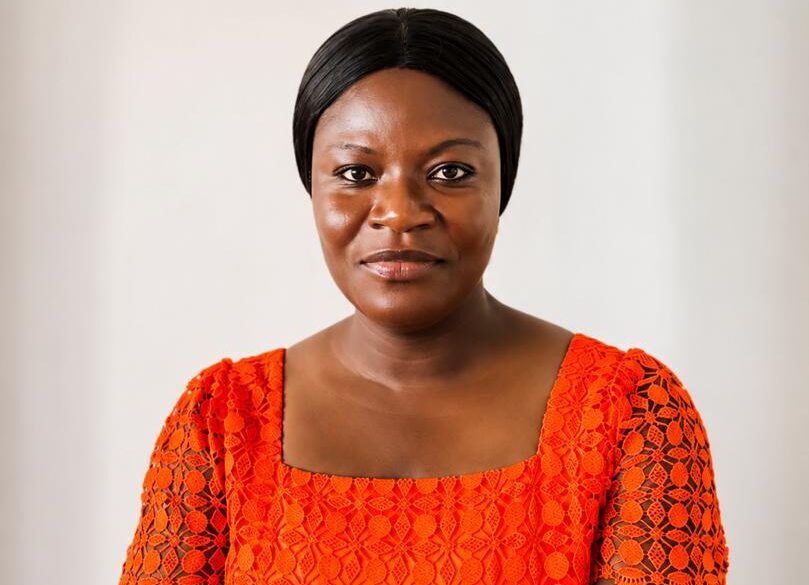
By Esther Tawiah
Executive Director GenCED