
By Rebecca Ekpe, Women’s Rights Advocate
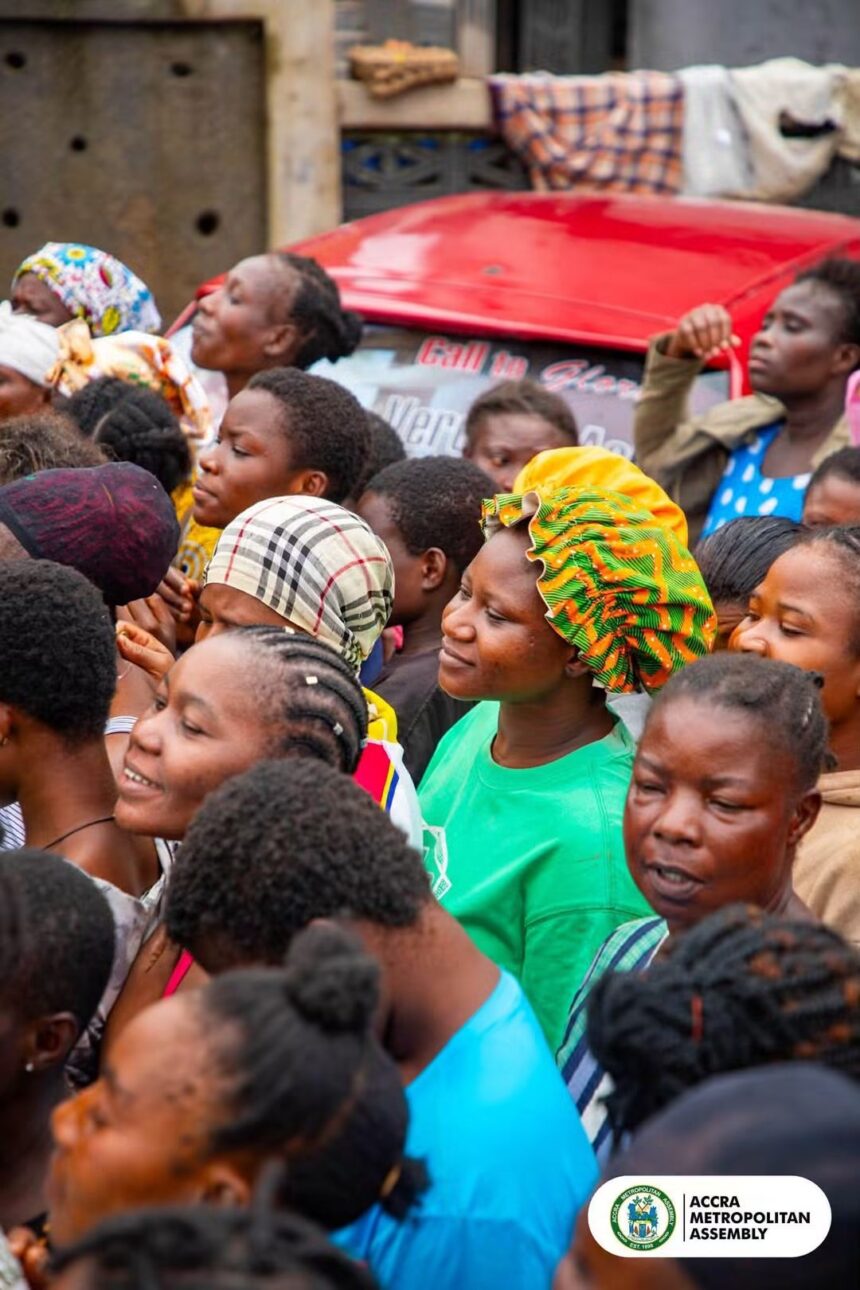
As communities begin the difficult task of recovering from the June 29th 2026 floods, many women say the disaster has robbed them not only of their homes and businesses but also of their dignity, security and hope for the future.
Across the affected communities, of Greater Accra Region and other suburbs…women are sharing stories of survival while appealing for support that goes beyond food donations and temporary relief.
Related Stories

After an immediate ariel assessment of the flooding situation, President Mahama spoke of the devastation, while commiserating with affected persons, he also pointed out the need to address the issue of the effects of climate change and the indiscipline, as well as the indiscriminate citing of structures on waterways and damping of waste by citizens.
By way of reducing the effects of the flooding of affected persons, President Mahama has directed the release of GHS 300 million for urgent flood relief and mitigation.
Clearly the suffering of the people goes beyond money and relief item, how exactly are the women enduring the challenge and how are they articulating the situation?
A 42-year-old market trader whose provisions were destroyed by floodwaters described the emotional toll of losing the business that supported her family, she said….
“The flood did not only destroy my shop; it destroyed the income I use to feed my children and pay their school fees. I have nothing left to restart my business.”
Another resident, a single mother from North Kaneshie, said rebuilding her life now feels overwhelming.
“As mothers, we are expected to stay strong for our children, but many of us don’t even know where our next meal will come from. We have lost our homes, our belongings and our savings.”
Women say they now spend hours searching for clean water in some of the devastated communities, where they are preparing meals under difficult conditions and caring for children and elderly relatives while trying to clean mud-filled homes.
A pregnant woman in one of the affected communities expressed concern about access to healthcare.
“My biggest worry is getting to the clinic. The roads are damaged, and I cannot afford transportation. Pregnant women need special attention after disasters like this.”

Health workers are also calling for greater attention to women’s health needs.
“Emergency response must include maternal healthcare, menstrual hygiene products and psychosocial support. Women face unique health risks during disasters that cannot be overlooked.”
Meanwhile, the Ghana Health Service has issued an alert directing individuals to where they can get help and also safety tips to avoid water borne diseases which are often prevalent post floods.
Why Women Need Targeted Emergency Response?
Women’s rights advocates argue that many emergency responses fail to address the specific challenges faced by women and girls.
“Women need more than food parcels. They need cash support to rebuild their businesses, safe shelters, healthcare services, dignity kits and protection from gender-based violence.”
They say female-headed households should receive priority assistance because many depend entirely on small informal businesses that are easily wiped out by floods.
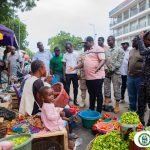
Market women whose stalls were destroyed say they need financial assistance to return to work.
“Don’t just give us food for a few days. Help us restart our businesses so we can take care of our families again.”
Social workers also warn that disasters often increase the vulnerability of women to abuse and exploitation.
“Floods create conditions where women and girls become more vulnerable to exploitation, domestic violence and sexual abuse. Protection services must be part of every disaster response.”
Mental health professionals are equally concerned about the emotional impact on women.
“Many women carry the emotional burden of keeping their families together while dealing with their own trauma. Counselling and psychosocial support should be considered essential services.”
A Clarion Call for Targeted Support
Affected women and gender advocates are appealing for interventions that respond to their specific needs, including:
“We need emergency cash grants to rebuild our businesses.”
“Provide sanitary pads, baby supplies and hygiene kits for women and girls.”
“Ensure pregnant women continue to receive antenatal care and essential medicines.”
“Support widows, single mothers and women with disabilities who have been hardest hit.”
“Create safe shelters with separate sanitation facilities for women and girls.”
“Offer soft loans or grants to help women traders recover instead of leaving them trapped in debt.”
Where Women Can Seek Help
Meanwhile, the authorities have announced that Women affected by the floods are encouraged to seek assistance from:
- National Disaster Management Organisation (NADMO) for emergency relief and disaster assistance.
- Ministry of Gender, Children and Social Protection for social protection services.
- Department of Social Welfare for support to vulnerable families.
- Domestic Violence and Victim Support Unit (DOVVSU) for women experiencing abuse or exploitation.
- Ghana Red Cross Society for humanitarian assistance and recovery support.
Flood statistics in Ghana for 2026
According to official information a total rainfall of 169.2 millimeters was recorded on June 29, 2026, making it the fourth highest single-day rainfall since 1995. Furthermore, according the Ghana Meteorological records, June 2026 had a rainfall record of 593.2 millimeters making it the most wet month in Ghana’s meteorological history. So far, 7,761 Households are displaced with 38,802 individuals affected and counting. Confirmed fatalities is as 12 persons. Emergency Response is placed at approximately, UDS 31 million Dollars.
Experts have concluded that the statistics highlight the severest impact of the June 29, 2026 floods on the Ghanaian population and infrastructure, necessitating urgent and comprehensive need for coordinated and sustained recovery efforts.
So, as recovery efforts continue, many women say the true measure of the nation’s response will not only be how quickly roads and homes are rebuilt, but also how effectively women are empowered to rebuild their lives.
Suffice it to say that, “When women recover, families recover. If you help a woman stand again, you help an entire household recover from disaster.”