

By Vivian Amoah
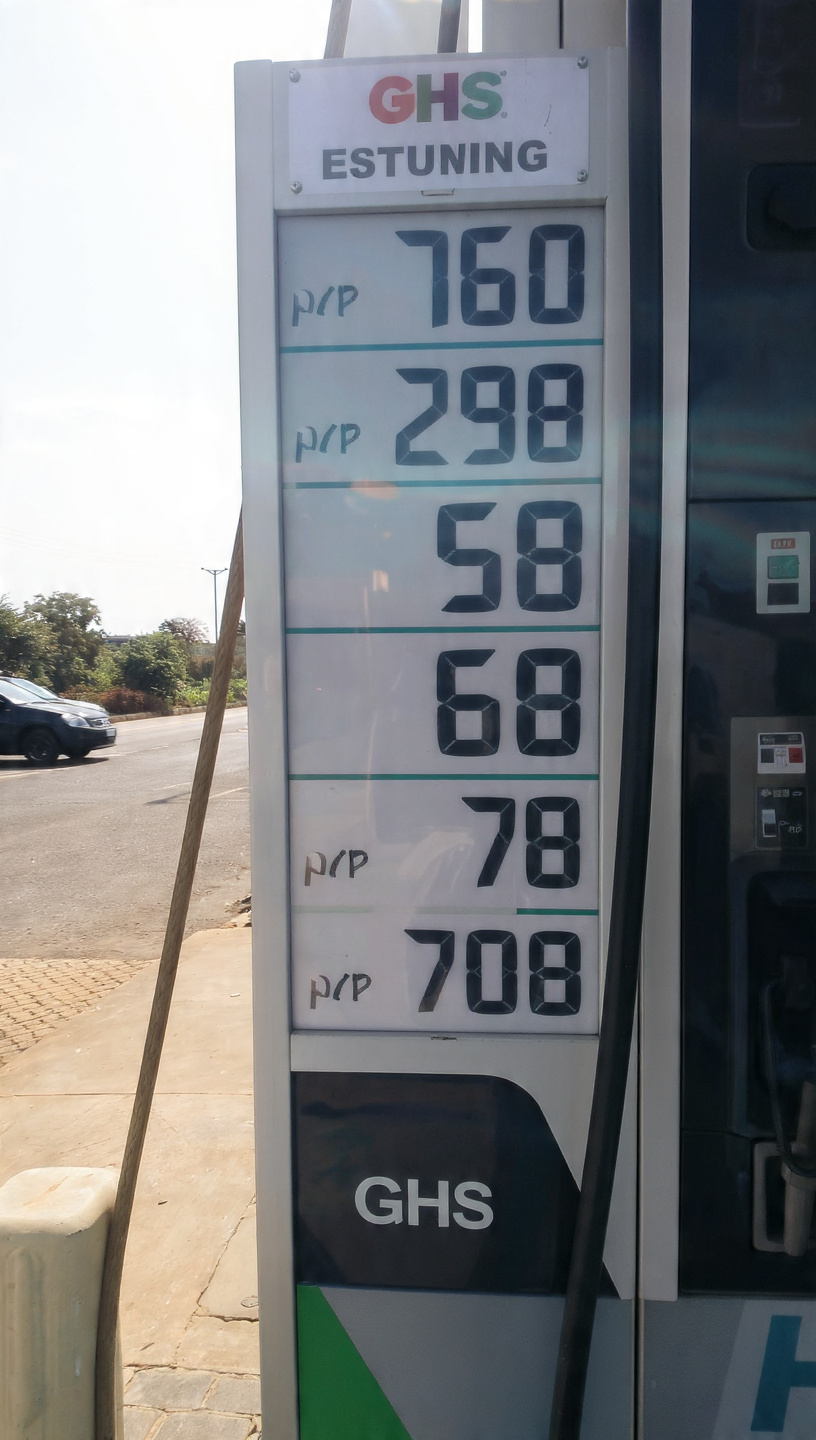
A recent decline in global crude oil prices has sparked expectations of lower fuel prices in Ghana, offering potential relief to consumers and businesses burdened by rising transportation and energy costs.
The drop in oil prices follows a peace deal between the United States and Iran, which has helped calm tensions in the Middle East and reduced concerns about disruptions to global oil supplies. The development has led to a fall in international crude benchmarks, with analysts predicting a positive impact on fuel-importing countries.
For Ghana, where fuel prices are heavily influenced by developments on the international market, the decline could result in lower ex-pump prices in the coming pricing window. Industry players say consumers may benefit if the downward trend in crude prices is sustained.
However, experts note that local factors such as exchange rate fluctuations, taxes, and distribution costs will continue to play a significant role in determining final fuel prices at the pumps.
The easing of geopolitical tensions has also renewed optimism about the stability of global energy markets, particularly with expectations that shipping activities through the Strait of Hormuz will return to normal.
As global oil markets react positively to the peace agreement, Ghanaian motorists and businesses are hopeful that the anticipated reduction in fuel prices will help ease the cost of living and support economic activity.