
By Rebecca Ekpe
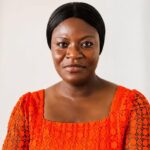
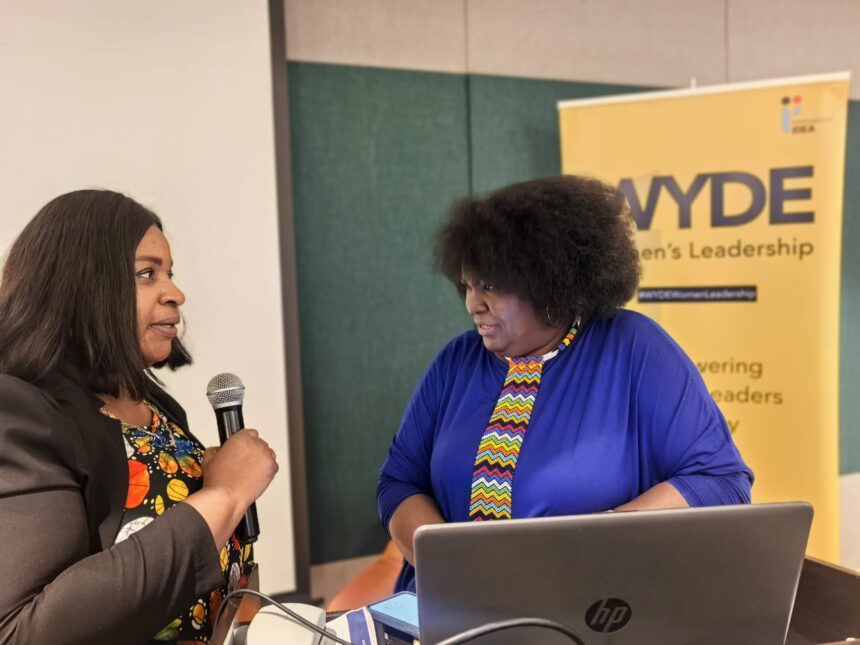
There are interviews that simply answer questions. Then there are conversations that leave a lasting imprint on the heart. Speaking with Mildred Ngesa, a transformational coach, inspirational speaker, media and communications specialist, women’s rights advocate, and author, was one of those moments.
Throughout the conversation, one message resonated above all else: transformation is possible.
For Ngesa, transformation is not an abstract concept. It is the force that has driven her work across Africa, where she has witnessed women overcoming barriers, challenging stereotypes, and reshaping societies. Her unwavering belief that change can happen continues to fuel her commitment to empowering women and girls.
“My motivation is transformation because I know it is possible,” she said with conviction. “Across the continent, I have seen women transform communities and influence change. It can be done.”
Her words come at a time when women across Africa continue to confront systemic barriers to leadership, education, economic participation, and representation. Yet rather than dwell on these challenges, Ngesa chooses to focus on possibility.
She believes that passion and commitment are the driving forces behind lasting social change.
“Unless we have passion and commitment, we cannot sustain the push to create a level playing field for everyone,” she observed.
The Transformative Power of Media
As someone whose professional journey has been deeply rooted in the media, Ngesa spoke passionately about journalism’s unique ability to shape societies.
“My journey has been in media, and I understand its power,” she explained. “Whether traditional or digital, media has the power to transform lives. But we must use it responsibly.”
For her, ethical journalism is far more than reporting facts. It is about giving voice to those who are often unheard, challenging harmful narratives, and creating opportunities for women and girls to thrive.
She warned that when media spaces are weakened, whether through censorship, misinformation, or unethical practices, it is women and other vulnerable groups who often suffer the greatest consequences.
Protecting Journalism as a Public Good
One of the strongest themes emerging from the discussion was the urgent need to safeguard media freedom.
Ngesa described journalism as a sacred public trust founded on ethics, truth, fairness, objectivity, and justice.
“We have an obligation to protect this media space,” she emphasized. “It is where truth, fairness and justice are pursued.”
While acknowledging the rapid growth of digital media across Africa, she maintained that professional journalism remains indispensable.
Traditional media, she argued, continues to provide the credibility and accountability that societies depend upon, particularly at a time when misinformation spreads rapidly online.
For women journalists, protecting this space is especially important because media remains one of the most powerful tools for advancing gender equality.
Understanding History to Shape the Future
Ngesa also reflected on the importance of understanding history.
Women and girls, she noted, have long experienced exclusion and discrimination. Yet today’s generation has the opportunity and the responsibility to change that narrative.
She finds hope in seeing more women occupying leadership positions across politics, business, media, and civil society.
“The fact that I can stand here, speak about these issues, and meet women who are leading at the highest levels tells me that change is possible.”
Her vision extends beyond the present generation. She dreams of a future where girls will grow up believing leadership is normal not exceptional—for women.
Mentorship as a Catalyst for Change
The interview also highlighted the importance of mentorship.
Ngesa believes every accomplished woman has a responsibility to support the next generation by sharing knowledge, opening doors, and inspiring confidence.
Her own journey demonstrates that leadership is not simply about personal achievement it is about lifting others along the way.
By investing in young women, she believes Africa can build stronger institutions, more inclusive democracies, and resilient economies.
A Message That Inspires Hope
As the interview drew to a close, one lesson stood out.
Transformation begins with individuals who choose to believe that change is possible.
For women journalists, advocates, policymakers, and young girls dreaming of a better future, Mildred Ngesa’s message is both timely and powerful: protect the media, champion truth, mentor others, and never stop believing in the power of transformation.
Because when women are empowered, societies prosper.
When the media is protected, democracy flourishes.
And when one woman rises, she creates opportunities for countless others to follow.
In a continent rich with talent and potential, Mildred Ngesa’s voice serves as a reminder that Africa’s future will not only be shaped by policies and institutions, but also by courageous women determined to transform their communities—one story, one life, and one generation at a time.