
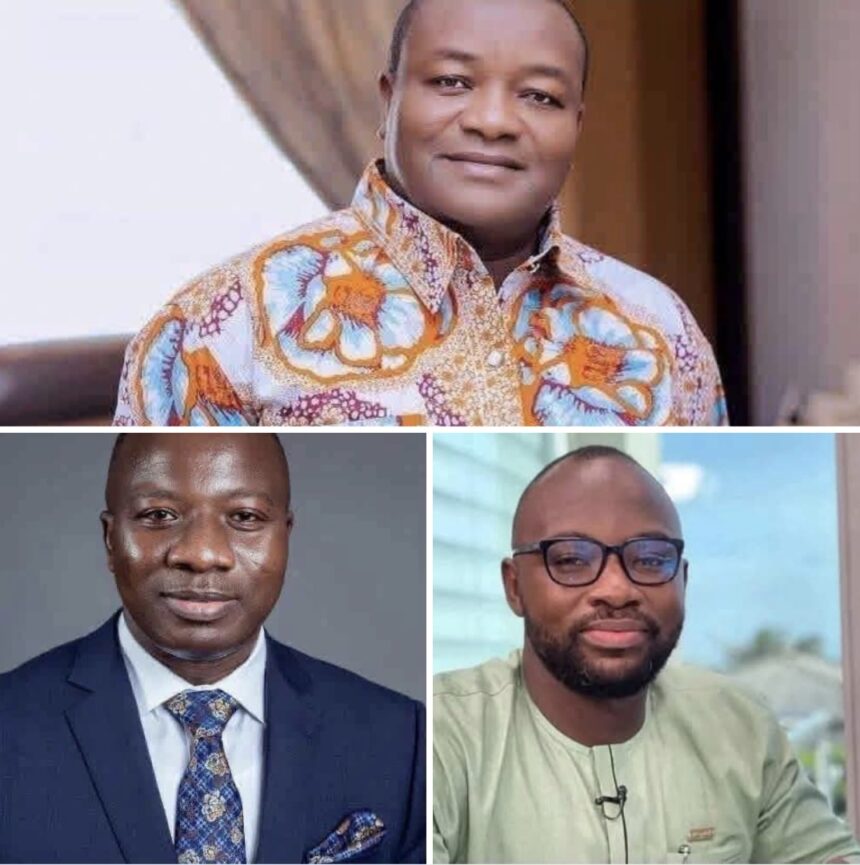
In Ghanaian politics, few families can claim such a striking combination of political longevity, ideological diversity and continued public influence as the Ayariga family of Bawku.
Three brothers, Hassan Ayariga, Mahama Ayariga and Osman Abdulai Ayariga, have each carved out distinctive identities in Ghana’s political landscape. Their father, Frank Abdulai Ayariga, was himself a former Member of Parliament for Bawku, giving the family a political legacy that stretches across generations.
What makes the Ayariga story particularly interesting is not simply that three brothers entered politics. It is that they have pursued remarkably different political journeys while remaining connected to the same family and community roots.
Hassan Ayariga — the opposition politician and political entrepreneur
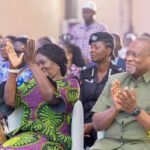
 Hassan Ayariga.
The eldest brother, Hassan Ayariga, became one of the more recognisable figures in Ghana’s multiparty political landscape.
He has contested Ghana’s presidential elections and is the founder and leader of the All People’s Congress (APC). His political career has therefore largely developed outside the two dominant parties — the New Patriotic Party (NPP) and the National Democratic Congress (NDC).
Hassan’s journey represents the path of an independent political entrepreneur: building a party, developing his own political message and seeking the presidency in a political environment dominated by the country’s two major parties.
His prominence has also meant that the Ayariga name has frequently appeared on opposite sides of Ghana’s political divide.
Mahama Ayariga — the parliamentarian and Cabinet minister
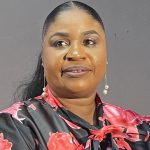
 Mahama Ayariga.
The second brother, Mahama Ayariga, has followed a very different trajectory.
A lawyer and veteran NDC politician, he has represented Bawku Central in Parliament through several parliamentary terms and has held a number of important public positions.
His parliamentary career reached another significant milestone in August 2026. After serving as Majority Leader and Leader of Government Business, President John Dramani Mahama nominated him as Minister for Local Government, Chieftaincy and Religious Affairs. Parliament subsequently approved the nomination, and President Mahama swore him into office on 29 August 2026.
His new portfolio places him at the centre of issues involving decentralisation, local governance, chieftaincy, religious affairs and community development.
Interestingly, the ministry has particular relevance to the broader Bawku context, where traditional authority, local governance and peacebuilding remain important national issues.
At his vetting, Ayariga stressed that the Minister’s role in chieftaincy matters should be supportive rather than interventionist, with disputes handled by the appropriate traditional and judicial institutions.
Osman Abdulai Ayariga — the youngest and the youth generation
 Osman Ayariga
The youngest brother, Osman Abdulai Ayariga, represents another generation of political leadership.
He is an NDC politician, lawyer and architect who serves as Deputy National Youth Organiser of the NDC and Chief Executive Officer of the National Youth Authority (NYA). The NYA itself confirms his position as CEO, while his official biography records his election as Deputy National Youth Organiser.
His career has been strongly associated with youth mobilisation, leadership and empowerment.
As NYA CEO, he has spoken extensively about youth employment, entrepreneurship, leadership and the responsible use of technology. In August 2026, for example, he challenged young people to move beyond simply consuming digital content and instead use technology to create businesses, innovate and contribute to national development.
His professional background also sets him apart: he trained as an architect, became a chartered architect in 2024 and was called to the Ghana Bar in 2023.
One family, different political identities
The fascinating dimension of the Ayariga story is the contrast between the brothers.
| Brother | Political identity | Current/major role |
|---|---|---|
| Hassan Ayariga | APC | Founder/Leader; former presidential candidate |
| Mahama Ayariga | NDC | Minister for Local Government, Chieftaincy & Religious Affairs; former Majority Leader |
| Osman Abdulai Ayariga | NDC | CEO, National Youth Authority; Deputy National Youth Organiser |
So, while Hassan has built his career outside the two dominant political parties, Mahama and Osman have risen through the ranks of the NDC.
That makes the family an unusual reflection of Ghana’s multiparty democracy: three brothers, different political journeys, but the same family name repeatedly appearing in national political discourse.
The father’s legacy
Behind the three brothers is their father, Frank Abdulai Ayariga, who served as a Member of Parliament for Bawku.
That history is significant because it suggests that politics was not an entirely new world for the brothers. They grew up within a family where public service, representation and political leadership were already part of the family experience.
From the father’s parliamentary service, to Hassan’s presidential ambitions, Mahama’s parliamentary and ministerial career, and Osman’s emergence as a youth leader, the Ayariga story spans multiple generations and multiple dimensions of Ghanaian politics.
A family story that goes beyond politics
The Ayariga brothers’ story is ultimately bigger than the positions they hold.
It is a story about political inheritance, individual ambition, ideological choice and generational succession.
The eldest pursued the presidency through a smaller political party.
The second became a veteran legislator and Cabinet minister.
The youngest has emerged at the intersection of youth leadership, politics and public administration.
And all three have carried the Ayariga name into different corners of Ghana’s national conversation.
From Bawku to Parliament, from opposition politics to Cabinet, and from youth mobilisation to national administration, the Ayariga brothers have become one of Ghana’s most politically prominent sibling groups.
Their story also raises an intriguing question for Ghanaian democracy: when political leadership becomes a family tradition, how much is inherited — and how much is individually earned?