
The reported GH¢5,000 parliamentary candidate application fee announced by the New Patriotic Party (NPP) has sparked concerns about the growing financial barriers confronting women, young people and persons with disabilities seeking political leadership in Ghana.
The Gender Centre for Empowering Development (GenCED) says the fee could further deepen existing inequalities in Ghana’s political system by making the opportunity to contest parliamentary elections increasingly dependent on financial capacity rather than competence, leadership ability and commitment to public service.
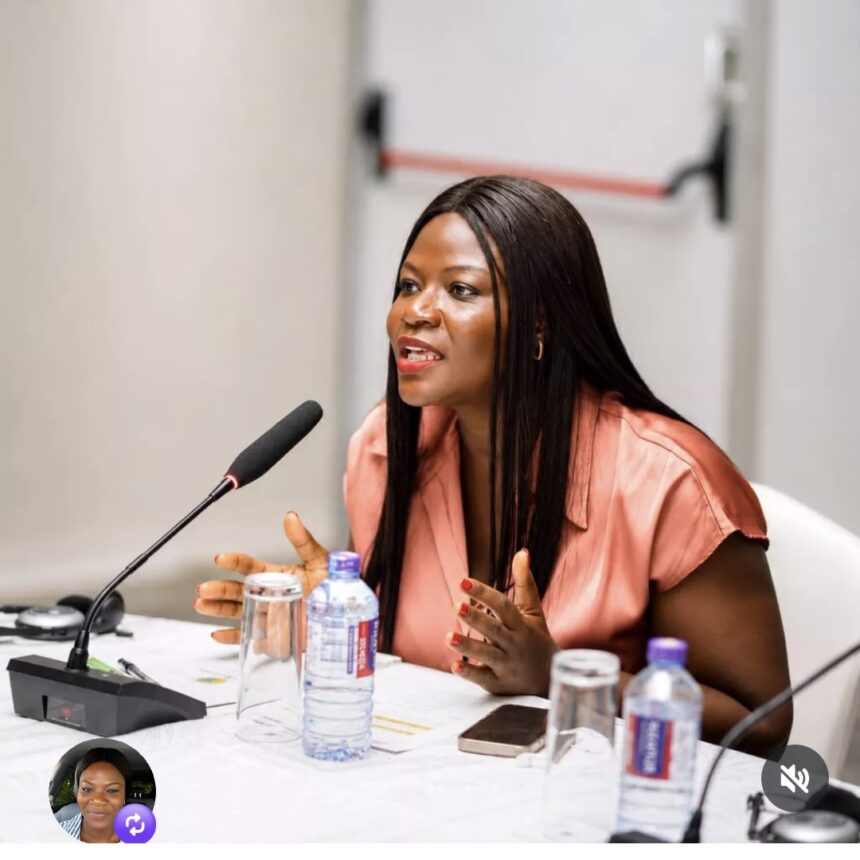
In a statement issued in Accra on October 30, 2026, Executive Director of the organisation, Esther Tawiah acknowledged that political parties have legitimate administrative and organisational expenses but stressed that candidate selection requirements should not unnecessarily exclude qualified individuals, particularly groups historically underrepresented in political decision-making.
GenCED questioned whether Ghana’s democratic system provides every qualified citizen with a fair opportunity to compete for political office or whether access to leadership is gradually becoming the preserve of those with substantial financial resources.
Women face additional financial barriers
The organisation observed that women aspiring to parliamentary positions already contend with several structural challenges, including unequal economic opportunities, limited access to influential political networks and sponsorship, and the disproportionate burden of unpaid domestic and care responsibilities.
According to GenCED, the GH¢5,000 application fee could become another obstacle for women who lack wealthy sponsors or established financial networks.
It noted that the financial demands of political participation extend beyond application fees to include transportation, campaign activities, constituency engagement and internal party elections.
These expenses, it warned, could discourage capable women from entering political contests before they have the opportunity to demonstrate their leadership potential.
GenCED said the situation was particularly concerning in view of Ghana’s commitment to gender equality and the objectives of the Affirmative Action (Gender Equity) Act, 2024 (Act 1121).
It therefore urged political parties to ensure that their internal processes promote meaningful participation and representation of women in political leadership.
Youth and persons with disabilities also at risk
The organisation further warned that young people and persons with disabilities (PWDs) could be priced out of political competition because of limited access to accumulated wealth, established business networks and financial sponsorship.
It said the situation could be even more challenging for young women with disabilities, who may experience multiple and intersecting barriers to political participation.
GenCED stressed that Ghana’s democratic future depends on creating meaningful opportunities for emerging leaders whose greatest assets may be their ideas, qualifications, competence and commitment to national development rather than their financial standing.
Research highlights the cost of political participation
The concerns, according to GenCED, are consistent with findings and issues examined in its research titled “The Price to Participate: How Money in Politics Undermines Women and Youth Political Participation in Ghana.”
The research examines how financial demands associated with political participation influence access to leadership, including application fees, campaign expenditure, sponsorship, transportation and mobilisation costs.
GenCED argued that the broader issue goes beyond whether political parties should charge application fees. Rather, it concerns whether existing political financing arrangements adequately recognise the different economic circumstances of prospective candidates.
GenCED calls for review of application fee
To address the concerns, the organisation has urged the NPP to review its parliamentary candidate application fee and assess its potential impact on women, young people and economically disadvantaged aspirants.
It is also calling for transparent fee reductions or waivers for eligible candidates facing structural financial barriers.
Other recommendations include greater transparency in determining application fees and managing funds collected, as well as stronger institutional support for underrepresented groups seeking political office.
GenCED has further encouraged other political parties to review their candidate selection and financing arrangements to ensure that financial requirements do not unnecessarily restrict inclusive political participation.
Democracy must be accessible to all
The organisation maintained that political parties play a central role in Ghana’s democratic development because their internal processes significantly determine who gets the opportunity to represent citizens in Parliament.
It argued that political competition should be driven primarily by competence, integrity, leadership and commitment to public service, rather than the ability to pay.
GenCED emphasised that an inclusive democracy must recognise existing economic inequalities and deliberately address barriers that prevent capable citizens from participating in political leadership.
It concluded that Ghana must work towards a political system in which women and young people can pursue leadership based on their abilities and aspirations, rather than their financial capacity.
“Democracy must be accessible to all, not only to those who can afford it,” the organisation stressed.