
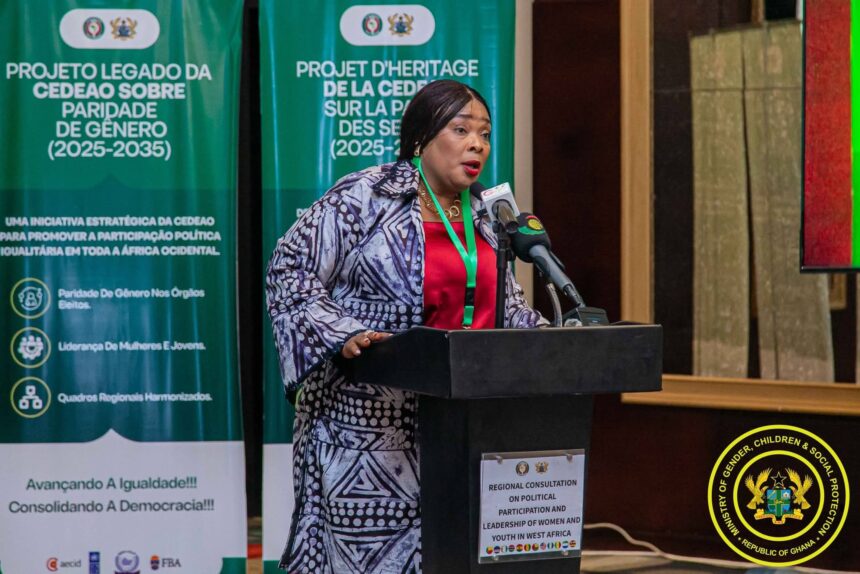
The Government of Ghana through the Ministry of Gender, Children and Social Protection in collaboration with ECOWAS Gender Development Centre (EGDC) is hosting a Regional Consultation on Political Participation and Leadership of Women and Youth in West Africa from 17th to 20th February, 2026 in Accra.
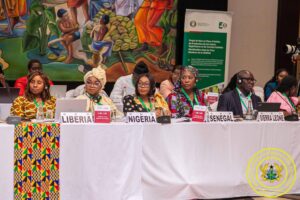
The four-day regional engagement forms part of activities under ECOWAS’50th Anniversary Legacy Project aimed at promoting gender parity and inclusive leadership across Member States.
The event brought together representative from key government institutions, civil society organizations, development partners, technical experts across West African sub-region to assess the state of women and youth participation in political leadership and decision making processes.
Technical sessions from 17th to 18th will focus on examining structural and Socio-cultural barriers, reviewing legal and policy frameworks and proposing actionable strategies to advance inclusive governance, while the Ministerial Meeting on 19th February is expected to validate recommendations toward legislative and institutional reforms that will strengthen gender parity in elected bodies.
The consultation will culminate in a High-Level Advocacy Dialogue on 20th February to consolidate political commitment toward a regional declaration and model framework to guide Member States.
Delivering remarks on behalf of the Minister for Gender, Children and Social Protection, Dr. Afisah Zakariah, Chief Director of the Ministry conveyed goodwill from the President of the Republic of Ghana, John Dramani Mahama, and the sector Minister, Dr. Agnes Naa Momo Lartey.
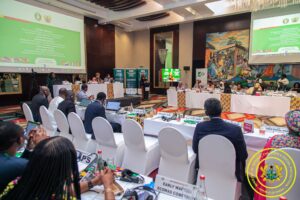
The statement underscored that although women and youth constitute a significant proportion of the region’s population and contribute immensely to innovation and development, their representation in political leadership remains limited.
The Chief Director reaffirmed Government’s commitment to advancing gender equality and youth empowerment in line with the Sustainable Development Goals, the African Union Agenda 2063 and the ECOWAS Gender Policy, highlighting key national interventions including the passage of the Affirmative Action Act, 2024 ongoing review of the National Gender Policy, and the implementation of the National Youth Policy to position young people as active partners in governance while I expanding opportunities for women and other under-represented groups in decision-making spaces.
Also speaking at the consultation, Sandra Oulaté Fattoh, Director of the ECOWAS Centre for Gender Development, highlighted the significance of the meeting within ECOWAS’ 50th anniversary legacy agenda, noting that despite women and youth forming the majority of the region’s population, their political representation remains low and requires stronger regional frameworks and legislative measures to accelerate gender parity and broaden youth participation in governance.