
The Food and Agriculture Organization of the United Nations (FAO), in collaboration with key government institutions and local communities, is stepping up efforts to strengthen Ghana’s preparedness for the possible impacts of a developing El Niño event expected to pose climate risks from November 2026 into the first half of 2027.
The initiative seeks to improve early warning systems, strengthen disaster risk management and promote anticipatory action to protect agricultural production, livelihoods and vulnerable communities.
The Ghana Meteorological Agency (GMet) has warned that the developing El Niño phenomenon could worsen climate conditions in the country, potentially resulting in prolonged dry spells, irregular rainfall patterns and higher temperatures.
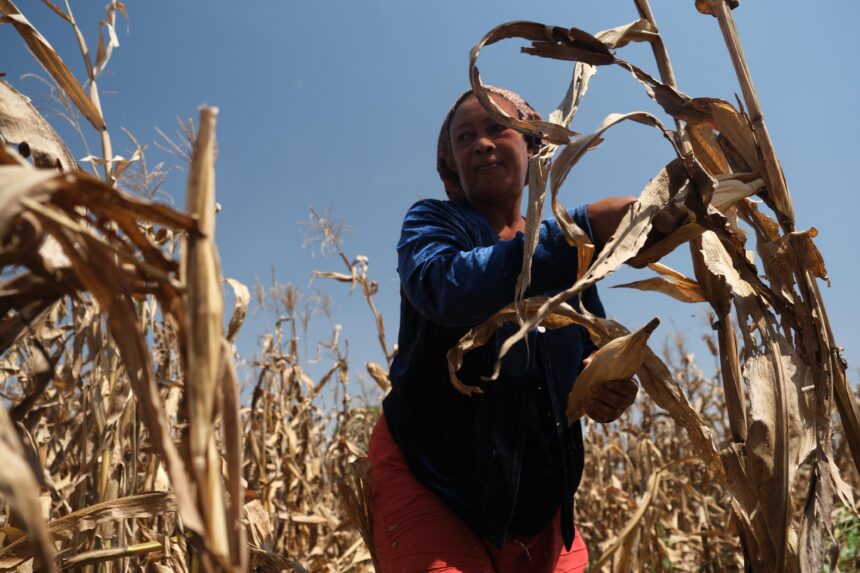
These conditions could adversely affect farming activities, reduce water availability, threaten livestock and place additional pressure on communities whose livelihoods depend largely on agriculture.
With financial support from the Governments of Canada and Norway, FAO is working with GMet, the National Disaster Management Organisation (NADMO), the Ministry of Food and Agriculture (MoFA), District Assemblies and local communities to strengthen preparedness and ensure that vulnerable populations receive timely climate information to take preventive action.
A key component of the intervention is strengthening Ghana’s disaster risk governance framework.
At the national level, FAO is supporting NADMO to develop a National Disaster Risk Reduction Strategy and Action Plan, as well as a National Early Warning and Anticipatory Action Stakeholder Platform.
The two mechanisms are expected to improve coordination among relevant institutions and enhance the generation, communication and use of early warning information to support timely interventions before climate-related hazards escalate.
The initiative is also prioritising the dissemination and practical application of weekly weather forecasts, seasonal climate outlooks, hazard alerts and early action advisories.
For farmers, access to reliable climate information could help guide planting decisions, enable better management of livestock during periods of extreme heat and water stress, and encourage the adoption of preventive measures to protect crops and other agricultural resources.
Communities will also be encouraged to prepare water resources and take appropriate measures ahead of anticipated changes in weather conditions.
FAO says the approach is intended to strengthen the link between national disaster risk governance, climate information services and community-level action.
The broader objective is to shift Ghana’s approach from responding to disasters after losses have occurred to anticipating potential hazards and taking action before they develop into major crises.
By 2027, the interventions are expected to contribute to stronger disaster risk governance, better-prepared communities, reduced losses and damages, and improved institutional capacity to anticipate and manage climate-related risks.
The initiative is particularly significant for Ghana’s agricultural sector, where changing rainfall patterns and prolonged dry conditions can affect food production, food security, rural incomes and the wider economy.
As climate risks continue to evolve, strengthening early warning systems and ensuring that information reaches those most at risk will be critical to protecting lives, livelihoods and national development gains.
The emphasis is clear: early warning must translate into early action if Ghana is to reduce the human and economic costs of climate-related disasters.