
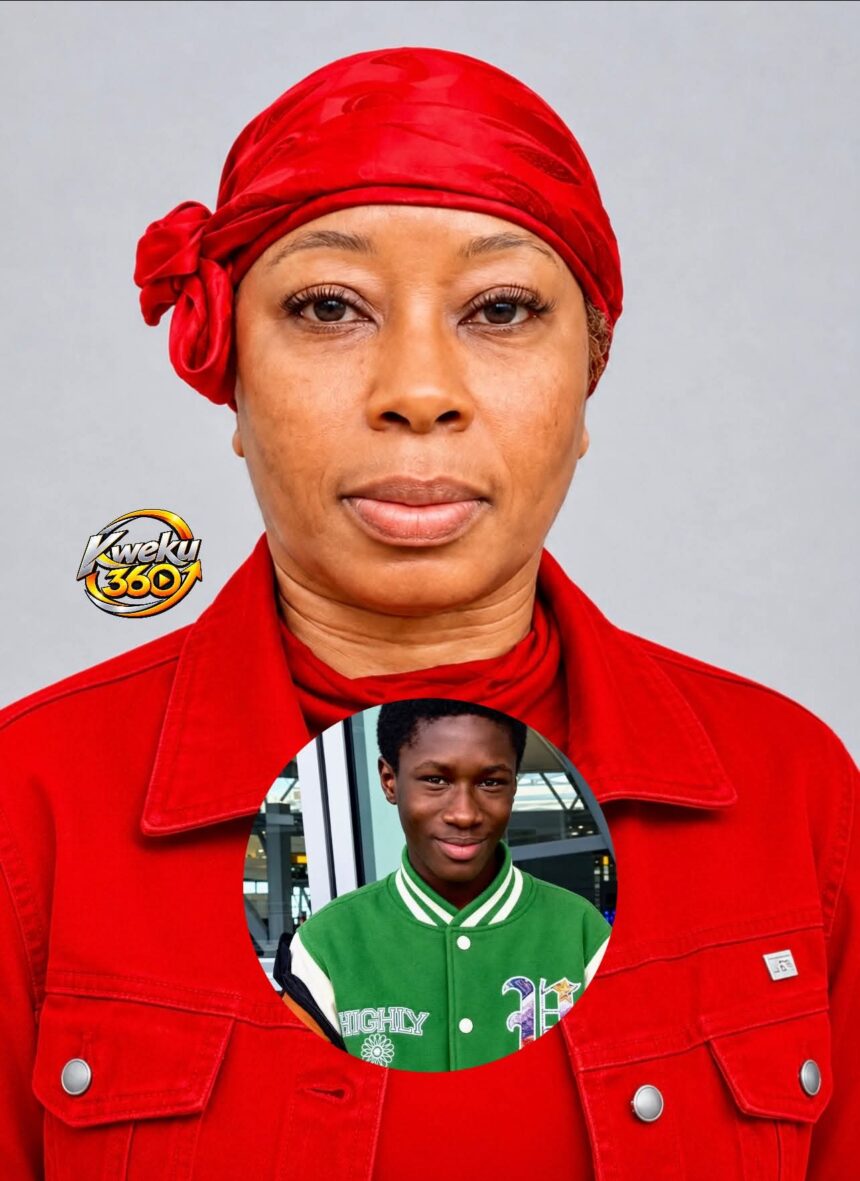
A major breakthrough has been recorded in the investigation into the killing of 15-year-old Ghanaian teenager, Javits Badu Nkansah Frimpong, in the Bronx, New York, with the arrest of a 17-year-old suspect.
The arrest, announced on Wednesday, November 11, 2026, marks a significant development in a case that has attracted international attention and sparked demands for justice from Javits’ family, the Ghanaian government and the Ghanaian community in the United States.
According to reports, the suspect has been charged with intentional murder, manslaughter, second-degree murder and two counts of criminal possession of a weapon.
Related Stories

The New York Police Department (NYPD) has not publicly disclosed the suspect’s identity, and investigators have yet to establish the motive for the killing.
Javits was shot on the morning of October 29, 2026, while walking to DreamYard Preparatory School in the Bronx. He was rushed to St. Barnabas Hospital, where he was pronounced dead.
His death generated widespread outrage, particularly following revelations by his father, Thomas Frimpong, that the teenager had previously complained of bullying at school.
Two students were reportedly suspended following an earlier confrontation involving Javits, raising concerns about whether the alleged bullying could have been connected to his murder.
However, investigators have not established a direct link between the reported school incidents and the fatal shooting.
WHAT IS THE GHANAIAN GOVERNMENT DOING?
The Government of Ghana has taken several diplomatic and legal steps since the incident.
1. Diplomatic engagement with US authorities
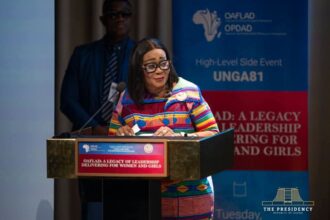
The Ministry of Foreign Affairs, led by Samuel Okudzeto Ablakwa, has formally engaged US authorities and assured the family of Ghana’s support in pursuing justice.
The Minister personally contacted Javits’ father, Thomas Frimpong, to convey the government’s condolences and commitment to ensuring accountability.
Ghana’s Permanent Mission to the United Nations in New York has also visited the family and is maintaining communication with relevant authorities.
Information Services Department
2. Government engages prominent American lawyer Ben Crump
In a significant intervention, the Ghanaian government engaged renowned American civil rights attorney Ben Crump to provide legal representation and support to the bereaved family.
Mr Crump joined Reverend Al Sharpton and Ghana’s Ambassador and Permanent Representative to the United Nations, Samuel Yao Kumah, at a press conference in New York on November 11.
He assured the family that efforts would continue to ensure that those responsible were held accountable.
Ambassador Kumah said the government was grateful to both Ben Crump and Reverend Al Sharpton for their involvement in the case.
3. Support for Javits’ mother to travel to the United States
The government also facilitated the travel of Javits’ mother, Doris Adu Gyamfi, from Ghana to New York to attend her son’s funeral and be with her family.
Following an intervention by New York City Mayor Zohran Mamdani, US President Donald Trump agreed to facilitate an expedited visa for her.
Ghana’s government covered her travel expenses and indicated its willingness to support the funeral arrangements.
4. Consular support and continued monitoring
Ghana’s Permanent Mission in New York says it has provided consular assistance to the family from the beginning of the incident.
Ambassador Samuel Yao Kumah has assured the family that the Mission will continue working with them, including providing support towards the funeral arrangements.
He has also urged Ghanaians living in the United States to remain vigilant and report bullying and other security concerns to the appropriate authorities.
WHAT ARE THE US AUTHORITIES INVESTIGATING?
The New York Police Department is investigating the circumstances surrounding the shooting, including possible links to school bullying, robbery and mistaken identity.
NYPD Chief of Detectives Joseph Kenny had earlier indicated that investigators were examining multiple possible motives.
The family has maintained that Javits had complained about bullying before his death, with his father disclosing that the school had reportedly suspended two students following an earlier confrontation.
Investigators have also sought information from the New York City Department of Education concerning the reported bullying incidents.
However, no established connection between the alleged bullying and the murder has been publicly confirmed.
WHAT HAPPENS NEXT?
The arrest of the 17-year-old suspect is an important step, but the pursuit of justice is far from over.
The key issues now include:
-
Establishing the motive behind the killing.
-
Determining whether other individuals were involved.
-
Establishing whether the reported school bullying had any connection to the attack.
-
Ensuring that the evidence is properly presented through the US judicial process.
-
Securing accountability for everyone found to have played a role in the murder.
The identity of the suspect has not been publicly released in the reports available, and the legal process must respect the rights of the accused.
THE BIGGER ISSUE: JUSTICE FOR JAVITS AND SAFETY OF GHANAIAN CHILDREN
Beyond the arrest, Javits’ death has raised serious questions about school safety, bullying, gun violence and the protection of immigrant children.
His family deserves a transparent investigation and answers about the circumstances that led to the death of their 15-year-old son.
The Ghanaian government must also sustain its diplomatic engagement until the case progresses through the justice system.
For Javits’ mother, the arrest may offer some hope, but it cannot replace the child she has lost.
Her demand remains simple: she wants to know why her son was killed and she wants those responsible to face justice.