

Finance Minister Dr Cassiel Ato Baah Forson is expected to present the Government of Ghana’s 2027 Budget Statement and Economic Policy to Parliament, outlining a four-year economic transformation programme aimed at restructuring the Ghanaian economy, strengthening domestic production and accelerating sustainable economic growth.
The budget, expected to provide the government’s economic roadmap for the next phase of its administration, is anticipated to focus on moving Ghana from an economy heavily dependent on imports and raw material exports towards one driven by production, industrialisation, value addition, exports and job creation.
The presentation is expected to set out the government’s priorities for economic stability, fiscal discipline, private-sector development, infrastructure investment and improved living conditions for Ghanaians.
Related Stories

US$10 Billion Investment to Drive Transformation
The New Economy programme, covering the period 2027 to 2030, is expected to mobilise an estimated US$10 billion in investments to support the government’s economic transformation agenda.
The programme is designed to strengthen local manufacturing, modernise agriculture, expand agro-processing, promote industrialisation and increase the country’s capacity to process its natural resources locally.
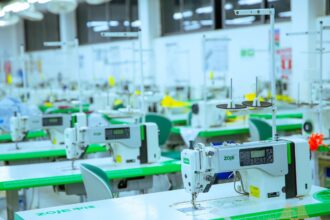
Priority sectors include agriculture and agribusiness, tourism, textiles and garments, pharmaceutical manufacturing, oil palm production, energy, critical minerals and the creative economy.
The government also intends to strengthen Ghanaian businesses, expand export opportunities and create an enabling environment for private-sector investment.
The New Economy agenda is expected to provide the broader framework for flagship government initiatives, including the 24-Hour Economy Programme. It is not intended to replace the 24-Hour Economy but to provide an overarching direction for its implementation.
From Economic Stabilisation to Job Creation
The 2027 Budget comes at a time when the government is seeking to consolidate gains made through economic stabilisation and redirect attention towards productivity and employment.
Ghana’s economic recovery has been reflected in improvements in key macroeconomic indicators, including inflation, economic growth and international reserves.
However, the challenge remains ensuring that these gains translate into better living conditions, increased household incomes and sustainable employment.
The government is therefore expected to demonstrate how its economic policies will address youth unemployment, improve farmers’ incomes, support small and medium-sized enterprises and strengthen the productive capacity of the economy.
Financing and Implementation in Focus
A major issue to watch in the budget presentation is how the government intends to mobilise the estimated US$10 billion for the New Economy programme without undermining fiscal discipline.
Particular attention will be on the role of domestic revenue mobilisation, private-sector investment, development finance institutions and strategic partnerships in financing the programme.
The government will also be expected to provide clear implementation timelines, sector-specific allocations and measurable targets to ensure accountability.
What Ghanaians Will Be Looking Out For
Beyond the ambitious economic transformation agenda, businesses, workers, farmers, investors and households will be looking for practical measures that respond to their economic concerns.
Key expectations include:
-
Measures to sustain declining inflation and stabilise the cedi.
-
Increased investment in agriculture and local manufacturing.
-
Affordable financing for Ghanaian businesses.
-
Job creation opportunities, particularly for young people.
-
Improved infrastructure to support trade and industrial development.
-
Measures to improve household incomes and reduce the cost of living.
-
Greater transparency and accountability in public expenditure.
The Bigger Picture
The 2027 Budget is expected to represent an important transition in the government’s economic policy direction: from stabilising the economy to transforming its productive structure.
The success of the New Economy programme, however, will depend not only on the amount of money committed but also on how effectively the resources are mobilised, allocated and utilised.
For Ghana, the ultimate test will be whether the proposed US$10 billion investment translates into more factories, stronger businesses, improved agricultural productivity, increased exports and decent jobs.
The central question is whether the New Economy agenda can move Ghana beyond economic recovery towards a more productive, competitive and inclusive economy.