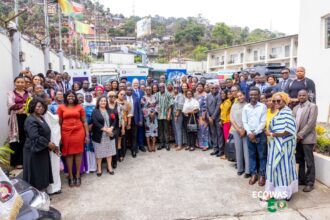

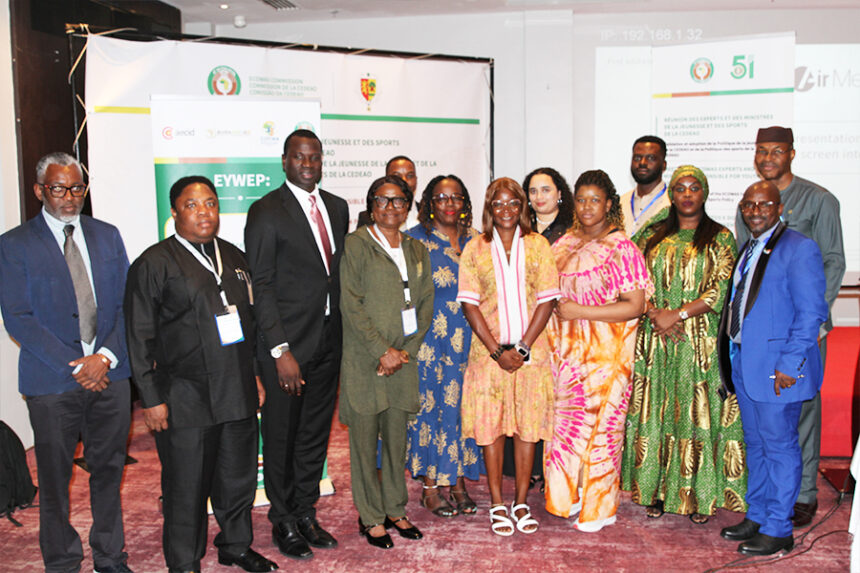
The Economic Community of West African States (ECOWAS) has officially launched the ECOWAS Youth and Women’s Entrepreneurship Program (EYWEP), a major regional initiative designed to accelerate economic empowerment for young people and women by promoting entrepreneurship, innovation, enterprise development, and skills enhancement across West Africa.
The launch took place in Dakar, Senegal, on the sidelines of the Meeting of Ministers in Charge of Youth and Sports of ECOWAS Member States, where ministers gathered to validate and adopt new regional policies on youth, sports, and volunteerism aimed at advancing sustainable development throughout the region.
The initiative marks another significant milestone in ECOWAS’ commitment to addressing youth unemployment, promoting gender equality, and creating inclusive economic opportunities for millions of young people and women who continue to face barriers to employment, finance, technology, and business development.
 ECOWAS launches Youth and Women’s Entrepreneurship Program.
A Regional Response to Youth Unemployment
West Africa has one of the world’s youngest populations, with more than 60 percent of its citizens under the age of 25. While this demographic presents enormous economic potential, high unemployment and underemployment remain among the region’s most pressing development challenges.
Recognizing entrepreneurship as a key driver of economic transformation, ECOWAS developed the Youth and Women’s Entrepreneurship Program to support aspiring entrepreneurs in establishing innovative, resilient, and sustainable businesses capable of creating decent jobs and contributing to regional economic integration.
The programme seeks to transform entrepreneurship into a viable pathway for employment, wealth creation, and poverty reduction, particularly among women and young people who often struggle to access financing, business support services, mentorship, and market opportunities.
Implementing Partners
The programme is being implemented by the ECOWAS Center for Youth and Sports Development (CDJS) with technical and financial support from the African Union Development Agency (AUDA-NEPAD) and the Spanish Agency for International Development Cooperation (AECID).
The partnership brings together regional institutions and international development partners committed to fostering entrepreneurship ecosystems that encourage innovation, competitiveness, and inclusive growth across ECOWAS Member States.
Creating an Enabling Environment for Entrepreneurs
According to ECOWAS, EYWEP is designed to create a supportive environment where young entrepreneurs and women-owned enterprises can thrive.
The programme will focus on strengthening entrepreneurial capacities through business development services, innovation support, skills training, networking opportunities, and improved access to entrepreneurial ecosystems.
By supporting the creation and growth of innovative enterprises, the initiative is expected to stimulate economic diversification, enhance productivity, and generate sustainable employment opportunities throughout the region.
ECOWAS believes that empowering entrepreneurs will not only improve individual livelihoods but also strengthen local economies, encourage regional trade, and contribute to long-term economic resilience.
Advancing Regional Development Goals
The launch of EYWEP aligns with ECOWAS’ broader development agenda, including efforts to promote inclusive economic growth, youth empowerment, gender equality, and regional integration.
It also complements continental priorities under the African Union’s Agenda 2063, which recognizes young people and women as central drivers of Africa’s economic transformation and sustainable development.
By investing in entrepreneurship, ECOWAS aims to harness the creativity, innovation, and energy of the region’s youth while ensuring that women have equal opportunities to participate fully in economic development.
Supporting Innovation and Sustainable Businesses
A central objective of the programme is to encourage the development of innovative and sustainable enterprises capable of responding to emerging market opportunities.
The initiative will promote business models that are environmentally sustainable, socially inclusive, and economically viable, enabling entrepreneurs to build enterprises that contribute meaningfully to national and regional development.
Through strategic partnerships and targeted interventions, the programme is expected to enhance the competitiveness of small and medium-sized enterprises (SMEs), improve business survival rates, and foster a new generation of entrepreneurs equipped to compete in regional and global markets.
Strengthening Regional Cooperation
The programme also reinforces collaboration among ECOWAS Member States by encouraging the exchange of best practices, innovation, and entrepreneurial expertise across borders.
Regional cooperation is expected to facilitate knowledge sharing, improve policy coordination, and strengthen support systems for entrepreneurs throughout West Africa.
Officials believe that stronger entrepreneurship ecosystems will contribute significantly to achieving inclusive growth, reducing poverty, and expanding employment opportunities, particularly for vulnerable groups.
Looking Ahead
As implementation begins, ECOWAS and its partners are expected to work closely with governments, private sector institutions, development organizations, financial institutions, and entrepreneurship support networks to ensure the programme delivers measurable impact across Member States.
The ECOWAS Youth and Women’s Entrepreneurship Program represents a strategic investment in West Africa’s human capital, recognizing that empowering young people and women with the skills, resources, and opportunities to build successful businesses is essential to driving sustainable economic growth and regional prosperity.
With entrepreneurship increasingly viewed as a catalyst for innovation, job creation, and inclusive development, the launch of EYWEP signals ECOWAS’ renewed commitment to placing youth and women at the centre of the region’s economic transformation agenda.