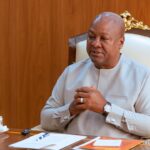

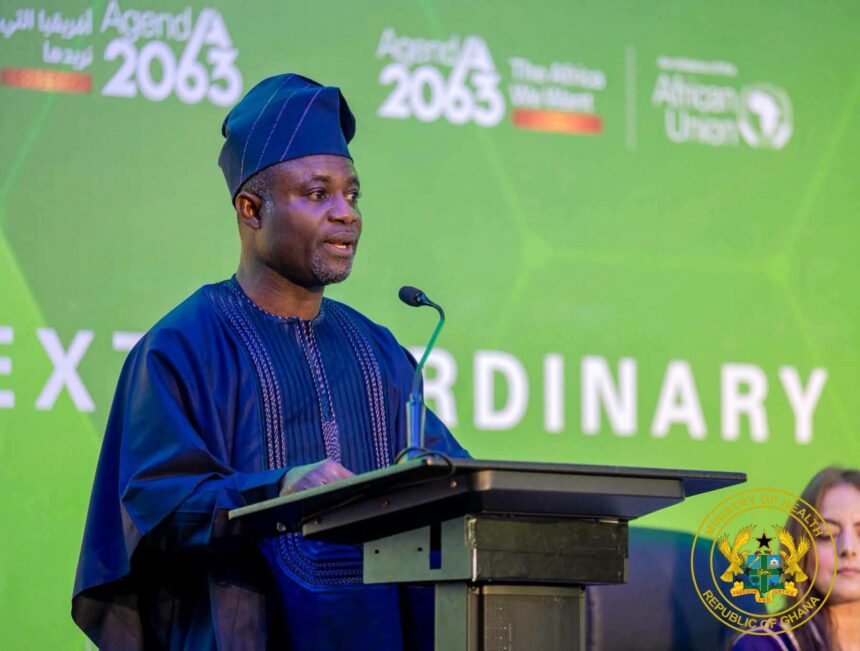
The Minister of Health, Kwabena Mintah Akandoh, has called on African countries to increase domestic investment in healthcare to achieve Universal Health Coverage and strengthen the continent’s preparedness and response to public health emergencies.
Speaking at the opening of the Extraordinary African Union Health Summit in Accra, Mr. Akandoh stressed that Africa must move away from excessive dependence on external donor support and instead develop sustainable, predictable and domestically generated financing mechanisms for its health systems.
Related Stories
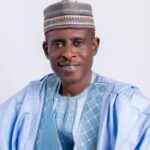
He noted that recent global health crises exposed the vulnerability of African countries that rely heavily on foreign assistance for critical health interventions, warning that such dependence leaves the continent susceptible to disruptions during emergencies.
According to the Health Minister, investing more domestic resources in healthcare will enable African countries to build resilient health systems capable of preventing, detecting and responding effectively to disease outbreaks while ensuring continuous access to quality healthcare services.
Mr. Akandoh also underscored the importance of strengthening Africa’s health sovereignty through increased investment in local manufacturing of medicines, vaccines, diagnostics and other essential medical commodities. He said enhancing local production would reduce dependence on imports, improve supply chain resilience and guarantee timely access to life-saving health products.
He urged African governments to place the health of their citizens at the centre of national development planning, describing good health as a critical driver of economic growth, productivity and sustainable development.
The Minister further called for stronger partnerships among governments, the private sector, development partners and research institutions to mobilize resources and accelerate health sector reforms across the continent.
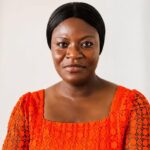
The African Union Commissioner for Health, Humanitarian Affairs and Social Development, Amma Twum-Amoah, highlighted the scale of Africa’s health challenges, noting that sub-Saharan Africa accounts for about two-thirds of all people living with HIV globally and approximately 95 per cent of malaria cases worldwide.
She said the statistics underscore the urgent need for African countries to work collectively in addressing communicable diseases and strengthening healthcare delivery systems.
Ms. Twum-Amoah stressed that no single country can overcome the continent’s health challenges alone, emphasizing that stronger regional cooperation, knowledge sharing and coordinated action are essential to improving health outcomes for Africans.
She called on African Union Member States to deepen collaboration in disease surveillance, research, innovation, health workforce development and emergency preparedness to accelerate progress toward Universal Health Coverage.
The AU Commissioner also encouraged member states to implement policies that promote equitable access to quality healthcare services, particularly for vulnerable and underserved populations.
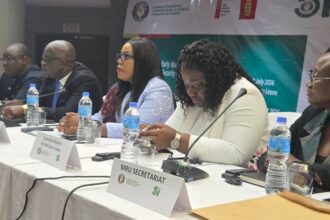
The Extraordinary African Union Health Summit has brought together health ministers, policymakers, development partners, public health experts and representatives of regional and international organizations to discuss strategies for strengthening Africa’s health systems.
The summit is focused on expanding Universal Health Coverage and accelerating efforts to combat HIV/AIDS, Tuberculosis, Malaria and other major public health challenges confronting the continent.
Participants are expected to adopt measures aimed at increasing domestic health financing, promoting local production of essential health commodities, enhancing regional cooperation and building resilient health systems capable of responding effectively to future public health emergencies.