
The Ministry of Energy and Green Transition has assured Ghanaians that electricity supply will be restored to communities affected by recent power outages as soon as it is safe to do so.
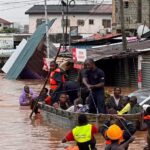
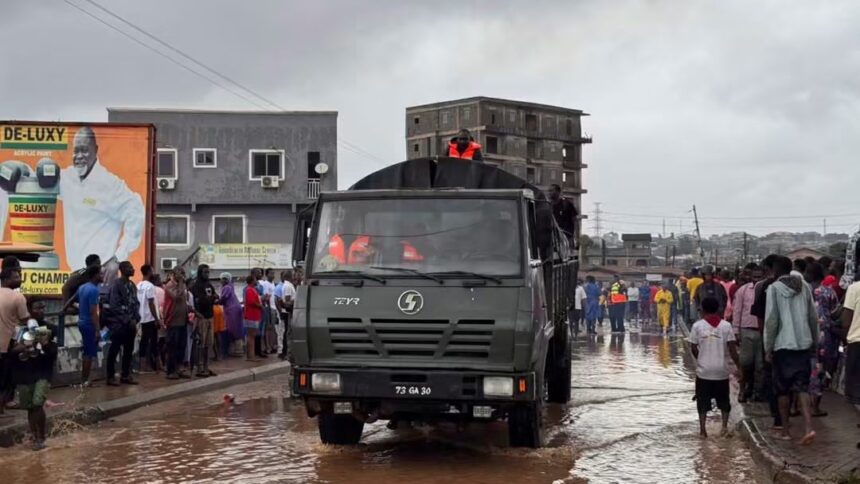
The assurance comes after days of torrential rains caused widespread flooding and damage to electricity infrastructure across parts of the country, leaving several communities without power.
Spokesperson for the Ministry, Richmond Rockson, said engineers from the Electricity Company of Ghana (ECG), the Northern Electricity Distribution Company (NEDCo), and other stakeholders have been deployed to assess the extent of the damage and restore electricity to affected areas.
He explained that the outages were not caused by generation shortages but were the result of deliberate safety measures taken to protect lives and property.
“Our technical teams are working around the clock to restore power. However, where floodwaters have submerged electrical installations or damaged infrastructure, electricity cannot be restored until engineers are satisfied that it is safe.”
Safety Before Restoration
Mr. Rockson stressed that keeping electricity flowing through flooded communities could expose residents to fatal electrocution and place utility workers at enormous risk during repair operations.
According to him, the decision to isolate affected feeders and substations followed established engineering and safety protocols.
“Switching off power during severe flooding is a necessary precaution. Energising damaged lines or flooded installations could have tragic consequences for both residents and our technical personnel.”
He appealed to the public to exercise patience while engineers complete inspections and repairs.
Flooding Continues to Threaten Power Infrastructure
Heavy rains have become one of the biggest threats to Ghana’s electricity distribution network.
Floodwaters frequently inundate transformers, underground cables, substations and distribution poles, leading to equipment failures and prolonged outages. Fallen trees, collapsed utility poles and damaged transmission lines often complicate restoration efforts.
Engineers must inspect every section of the network before power is restored to ensure there are no exposed live wires, damaged transformers or unstable installations that could spark fires or electrocutions.
In some communities, repair works can take longer where roads have been washed away or floodwaters remain too high for technical teams to safely access damaged equipment.
Public Urged to Observe Safety Measures
The Ministry has urged residents in flood-prone areas to remain vigilant and avoid contact with fallen electricity poles, hanging cables or flooded locations where electrical equipment may be submerged.
Residents have also been advised to report damaged electrical infrastructure immediately to ECG or local authorities instead of attempting to reconnect power themselves.
Energy experts warn that illegal reconnections during flood conditions significantly increase the risk of electrocution and electrical fires.
Long-Term Solutions Needed
While emergency restoration efforts continue, analysts say the recurring outages underscore the urgent need to make Ghana’s electricity infrastructure more resilient to climate-related disasters.
Some of the long-term measures being proposed include:
- Raising transformers and substations above known flood levels.
- Replacing ageing distribution equipment with flood-resistant infrastructure.
- Expanding underground cable protection in vulnerable communities.
- Strengthening routine maintenance and vegetation management to reduce storm-related damage.
- Investing in smart grid technologies that allow operators to isolate faults more quickly.
- Improving coordination between electricity utilities, local assemblies and disaster management agencies before and during the rainy season.
- Enforcing building regulations to prevent structures from being erected within electricity wayleaves and drainage channels.
Addressing the Root Causes
Experts also argue that reducing weather-related power disruptions requires tackling the underlying causes of flooding.
Poor drainage systems, indiscriminate disposal of waste into gutters, encroachment on waterways and unplanned urban development continue to worsen flooding in many parts of Ghana.
Environmental planners believe sustained investment in drainage infrastructure, stricter enforcement of planning regulations and greater public awareness on sanitation will not only reduce flood risks but also protect critical national infrastructure such as electricity networks.
Government Reaffirms Commitment
Mr. Rockson assured the public that Government remains committed to restoring electricity as quickly as possible while prioritising public safety.
“Our priority is to ensure that every affected community receives power again as soon as it is technically safe. We understand the inconvenience these outages cause, but no restoration will be undertaken at the expense of human lives.”
He reiterated that technical teams remain on the ground working around the clock to repair damaged infrastructure and restore normal electricity supply to all affected communities.
As climate change continues to increase the frequency and intensity of extreme weather events, energy sector stakeholders say building a more resilient electricity network will be essential to ensuring reliable power supply and safeguarding lives and infrastructure across Ghana.