
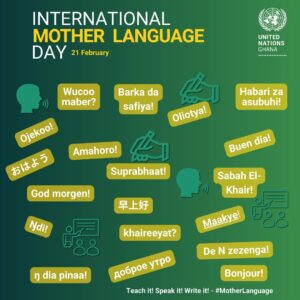
Every year on 21st February, the world commemorates International Mother Language Day, established by United Nations Educational, Scientific and Cultural Organization to promote linguistic and cultural diversity and multilingualism. The celebration is more than symbolic—it is a global reminder that language is identity, heritage, and power.
1. Mother Language as Identity and Cultural Heritage
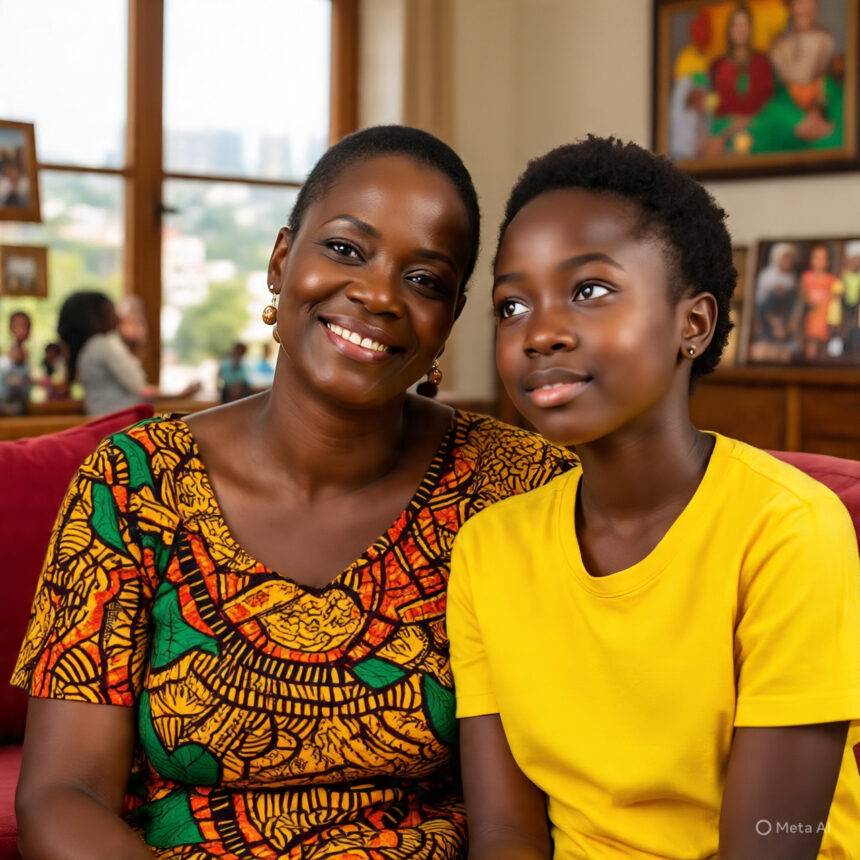
A mother language is the first language a person learns at home. It carries:
-
Cultural values and traditions
-
Indigenous knowledge systems
-
Oral history, proverbs, and folklore
-
Community worldview and identity
When a language disappears, an entire cultural memory risks being erased. Celebrating mother languages safeguards intangible heritage and strengthens community pride.
2. Foundation for Education and Cognitive Development
Research consistently shows that children learn best when taught in their mother tongue, especially in early childhood education. Benefits include:
-
Better comprehension and critical thinking
-
Stronger literacy skills
-
Improved transition to second and third languages
-
Higher academic confidence and participation
Mother-tongue-based education supports inclusive learning and reduces dropout rates, particularly in multilingual societies.
3. Social Inclusion and Equity
Language is a tool of empowerment. When people can access education, justice, healthcare, and governance in their own language:
-
Participation in civic life increases
-
Marginalized communities feel represented
-
Democratic engagement deepens
Recognizing and promoting indigenous languages helps bridge inequality gaps and affirms the dignity of all communities.
4. National Development and Unity
In countries with rich linguistic diversity—such as Ghana—mother languages contribute to:
-
Effective grassroots communication
-
Community mobilization for development
-
Preservation of indigenous knowledge for agriculture, medicine, and environmental sustainability
Rather than dividing society, multilingualism can strengthen unity when properly supported through policy and media.
5. The Role of Media and Technology
Media plays a powerful role in sustaining languages by:
-
Broadcasting in local languages
-
Promoting literature and storytelling
-
Digitizing indigenous content
-
Encouraging youth engagement in native languages
Technology, artificial intelligence, and digital platforms must include African and other indigenous languages to prevent digital exclusion.
Why the Celebration Matters Today

International Mother Language Day is not just about linguistic pride—it is about:
-
Protecting endangered languages
-
Promoting inclusive education
-
Advancing cultural diversity
-
Supporting sustainable development
Language is power. When mother languages are respected and promoted, societies become more inclusive, knowledgeable, and culturally confident.
Celebrating UNESCO’s International Mother Language Day reminds us that every language matters, every voice counts, and every culture deserves preservation.