
Theme and direction: Moving from Economic Stabilisation to Economic Transformation, Job Creation and Shared Prosperity.
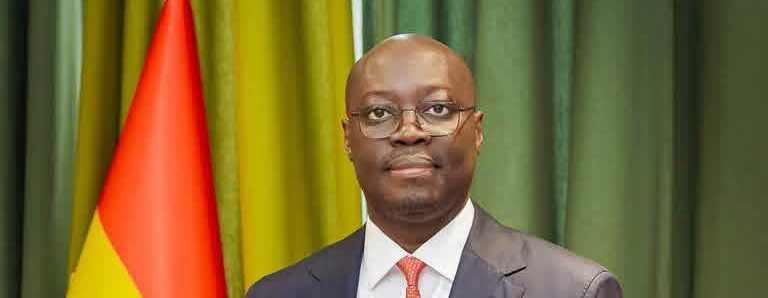
Finance Minister Dr Cassiel Ato Forson presented the 2027 Budget Statement and Economic Policy to Parliament, outlining the government’s spending priorities, revenue measures and economic transformation agenda.
The central message is that government intends to move beyond stabilising the economy towards expanding production, creating jobs, strengthening local industries and improving living conditions.
Here are the major announcements and figures emerging from the budget.
1. Major economic and fiscal figures
GH¢389.2bn
Total expenditure
GH¢323.4bn
Revenue target
GH¢100.4bn
Capital expenditure
GH¢65.8bn
Projected cash deficit
5.2%
Projected real GDP growth
6–10%
End-year inflation target
Source: Finance Ministry budget announcements reported by Ghana News Agency.
Ghana News Agency+1
2. No new taxes in 2027
-
Government has announced that it will not introduce new taxes in 2027.
-
The focus will be on improving tax compliance and closing revenue leakages.
-
Existing tax laws, including the Income Tax Act and Revenue Administration Act, will be reviewed.
-
Government intends to improve revenue collection without imposing additional burdens on households and businesses.
Ghana News Agency+1
3. US$10 billion New Economy programme
Government has announced a four-year US$10 billion economic transformation programme covering 2027–2030.
An initial GH¢30 billion has been earmarked for the programme in 2027.
Its eight priority areas are:
-
Commercial agriculture.
-
Energy infrastructure.
-
Critical minerals and local value addition.
-
Tourism, culture and creative arts.
-
Textiles and garments.
-
Pharmaceuticals and biomanufacturing.
-
Technology economy.
-
Macroeconomic stability and affordable financing.
The programme is intended to expand local production, create jobs and reduce dependence on imported goods and raw commodity exports.
Ghana News Agency+1
4. Education receives GH¢48 billion
Major allocations include:
-
GH¢11.2 billion for GETFund.
-
GH¢1.37 billion towards ending the double-track system.
-
GH¢537 million for the No Fees Stress Policy.
-
GH¢292 million for free sanitary pads for schoolgirls.
-
GH¢227 million for teacher trainee allowances.
-
GH¢169 million for BECE fees.
-
GH¢50 million for special schools.
-
GH¢250 million for the Scholarship Secretariat.
Ghana News Agency+1
5. Health receives GH¢40.3 billion
Key provisions:
-
GH¢10.2 billion for NHIS.
-
GH¢2.6 billion for MahamaCares.
-
GH¢6.8 billion to commence construction of two specialist hospitals, six regional hospitals, two district hospitals and a mother and child centre at Korle-Bu.
-
GH¢1 billion for completion of the Eastern and Western Regional Hospitals.
-
GH¢1 billion for 35 Agenda 111 hospitals.
-
GH¢200 million for ambulances.
-
GH¢275 million for maternal and child health interventions.
6. Roads and infrastructure: GH¢28 billion for Big Push
-
GH¢28 billion for the Big Push Programme.
-
GH¢11.3 billion for the Ministry of Roads and Highways.
-
GH¢3.5 billion for the Road Maintenance Trust Fund.
-
GH¢400 million to commence the Volivo Bridge project.
-
GH¢2 billion for the Ghana Market Access and Connectivity Project.
Government has also provided GH¢100.4 billion in total capital expenditure.
7. Agriculture and food security
The Ministry of Food and Agriculture receives GH¢2.9 billion.
Important allocations include:
-
GH¢800 million for agricultural machinery.
-
GH¢515 million for fertilisers and certified seeds.
-
GH¢500 million for silos.
-
GH¢245 million for the Poultry Farm-to-Table Project.
-
GH¢200 million for the National Food Buffer Stock Company.
The New Economy programme also targets increased domestic rice, poultry, sugar and cocoa production.
Ghana News Agency+1
8. Youth employment and skills development
Government has allocated GH¢3.5 billion to the Ministry of Youth Development and Empowerment.
-
GH¢2 billion for youth employment and skills development.
-
GH¢1 billion for National Service Personnel allowances.
The broader New Economy programme is also expected to create employment through manufacturing, agriculture, technology and other productive sectors.
9. Gender and social protection
The Ministry of Gender, Children and Social Protection receives GH¢3.4 billion.
Key allocations:
-
GH¢2.1 billion for the School Feeding Programme.
-
GH¢1.1 billion for LEAP.
-
GH¢10 million for the Domestic Violence Fund.
-
GH¢10 million for the Child and Human Trafficking Fund.
10. Media industry: GH¢10 million Media Development Fund
President John Dramani Mahama announced GH¢10 million as seed funding for the reactivated Media Development Fund.
The fund is intended to support:
-
Journalists’ welfare.
-
Professional development and training.
-
Investigative journalism.
-
Digital literacy.
-
Journalist safety programmes.
The government also intends to mobilise additional corporate-sector support to strengthen the fund.
This is particularly significant for the Ghanaian media industry, which continues to face challenges relating to financial sustainability, poor remuneration, journalist safety and the economics of media.
11. Energy and renewable energy
-
GH¢3.1 billion for the Ministry of Energy and Green Transition.
-
GH¢13 billion to address energy-sector payment shortfalls.
-
GH¢50 million to support lifeline electricity consumers.
-
Import duty and VAT exemptions on solar panels and batteries.
-
Plans for additional electricity generation, transmission improvements and renewable energy investment under the New Economy programme.
12. Debt management and fiscal discipline
The government has announced:
-
GH¢13.9 billion for arrears clearance.
-
GH¢4.3 billion to clear legacy arrears owed to Independent Power Producers.
-
Early repayment of GH¢29 billion in domestic debt bonds falling due in February 2027.
-
A projected cash deficit of 3.6% of GDP.
The early debt repayment announcement is part of government’s effort to reduce outstanding obligations and strengthen confidence in public financial management.
What are the five biggest issues to watch?
Beyond the announcements, these are important questions for journalists, analysts and citizens to interrogate:
1. Job creation: How many sustainable jobs will the US$10 billion New Economy programme actually deliver, particularly for young people?
2. Cost of living: Will the projected inflation reduction translate into lower food prices, affordable transport, housing and improved household purchasing power?
3. Private-sector growth: How will government ensure that local businesses, particularly SMEs, access affordable financing and benefit from the transformation agenda?
4. Media sustainability: How will the GH¢10 million Media Development Fund be administered, and will it meaningfully address the economic challenges confronting media organisations and journalists?
5. Accountability: What monitoring mechanisms will ensure that the huge allocations to infrastructure, health, education and agriculture translate into measurable results?
My overall assessment
The 2027 Budget represents an important transition in Ghana’s economic policy direction: from stabilisation to production, industrialisation and job creation.
Its strongest selling points are the commitment not to introduce new taxes, the US$10 billion New Economy programme, increased capital expenditure, investments in education and healthcare, and the reactivation of the Media Development Fund.
However, the real test will not be the size of the allocations or the number of programmes announced. It will be implementation, transparency, accountability and the extent to which ordinary Ghanaians experience tangible improvements in their lives.
The ultimate question is: Will the 2027 Budget translate Ghana’s macroeconomic recovery into jobs, better incomes and improved living standards?
Sources for further reading: