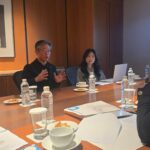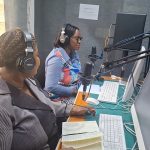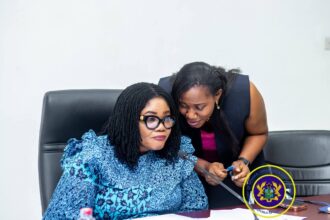

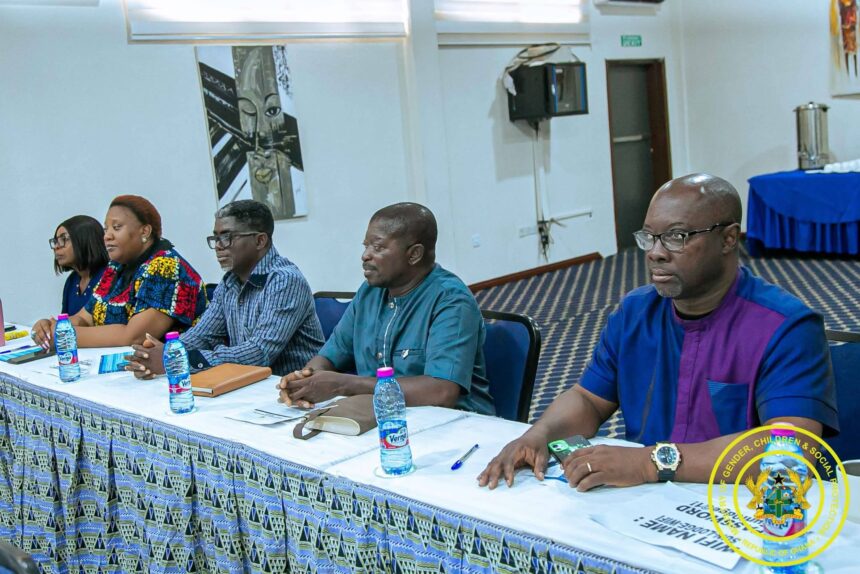
The Ministry of Gender, Children and Social Protection (MoGCSP), through the Department of Social Welfare, has organised a two-day workshop on the Social Welfare Information Management System (SWIMS) Residential Homes for Children (RHC) Registry aimed at strengthening data management and case documentation within the child protection system.
 Gender Ministry engages with stakeholders on Social Protection in Ghana.
The workshop brought together key stakeholders to enhance their understanding of the SWIMS RHC Registry, its functionalities, and its role in supporting the documentation and management of child welfare cases.
The initiative also contributes to efforts to maintain an up-to-date and reliable database of children in Residential Homes for Children in line with the National Care Reform Roadmap (2024–2028).
Delivering the welcome remarks on behalf of the Hon. Minister for Gender, Children and Social Protection, Dr. Agnes Naa Momo Lartey, the Director of the Department of Social Welfare, Dr. Prince Boamah Abrah underscored the importance of the SWIMS platform in strengthening data management and improving coordination in the delivery of child protection services. He explained that the system provides a structured platform for documenting cases and managing information on children in Residential Homes for Children. This is essential for effective planning, monitoring, and decision-making within the sector.
Dr. Abrah further emphasized that the success of the system depends largely on the commitment of social welfare officers and other stakeholders to consistently document cases and maintain accurate data. He commended officers at the regional and district levels for their continued efforts in supporting vulnerable children and encouraged participants to make effective use of the system to enhance service delivery across the country.
He also expressed appreciation to partners for their support towards strengthening the Department’s information management systems.
Development partners, including UNICEF, were present and shared remarks highlighting the importance of accurate data management and collaborative efforts in ensuring the protection and care of children. Their contributions reinforced the collective commitment to strengthen child welfare systems and support effective implementation of the SWIMS platform.
During the two-day engagement, participants were taken through presentations on the SWIMS platform and the Residential Homes for Children Registry, including demonstrations of the system covering data entry processes and data quality management.
Participants also engaged in discussions on Foster Care Services and their importance in advancing the care reform process, as well as sessions on Residential Homes Management to enhance understanding of operational requirements within residential care settings.
The programme further featured the reintroduction and dissemination of the SWIMS Training Manual to support the effective use of the system across the sector.