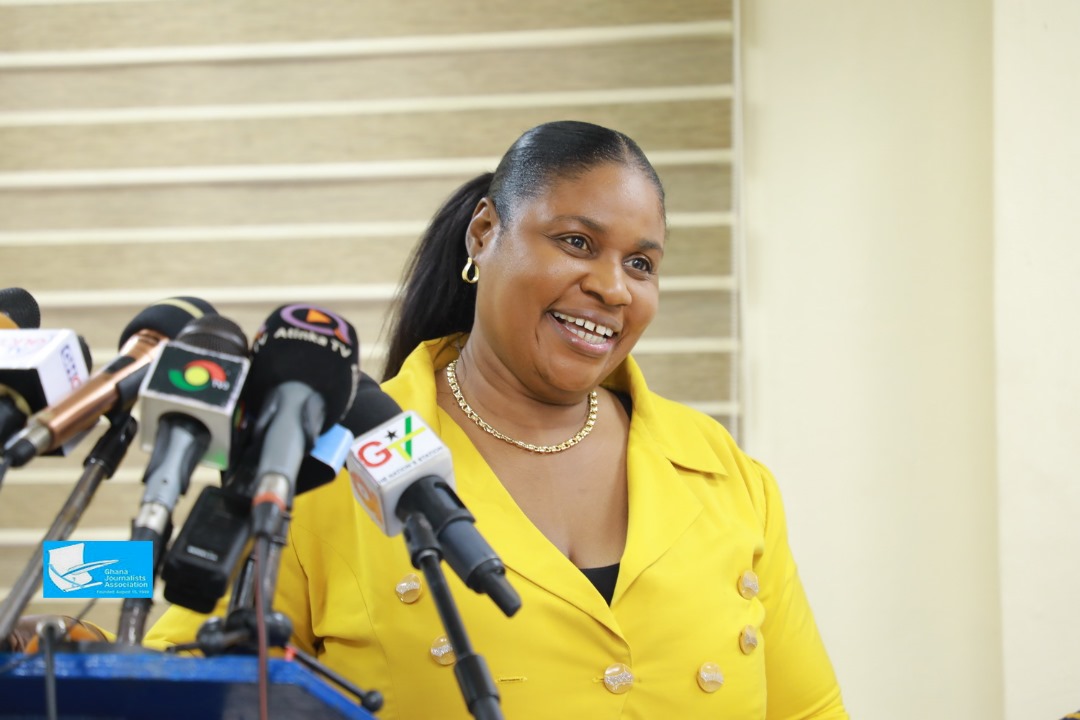

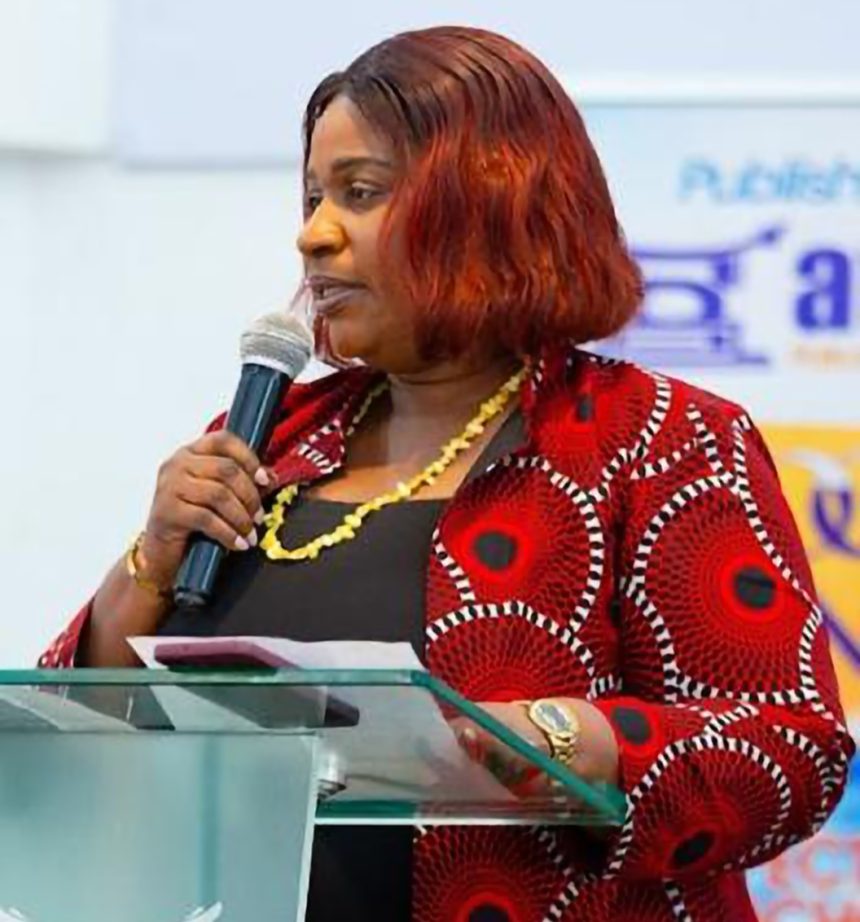
The Vice President of the Ghana Journalists Association (GJA), Rebecca Ekpe, has called for deliberate and structured efforts to deepen youth participation in Ghana’s media landscape, particularly in leadership and decision-making roles.
Speaking in an interview with Assase Radio to mark International Children’s Day of Broadcasting, Madam Ekpe acknowledged progress in youth involvement but stressed that much more must be done to ensure meaningful representation.
“Young people are very visible in our media space as presenters, producers and digital content creators,” she noted. “However, when it comes to editorial leadership and decision-making, their presence is still limited. Inclusion must go beyond participation at the surface level.”
Beyond Symbolism
According to her, the conversation around youth empowerment in media must shift from rhetoric to action. She emphasized that young broadcasters must not only be trained but intentionally positioned for growth within newsrooms and media institutions.
“Youth inclusion must be intentional. We cannot continue to celebrate young talent without creating pathways for them to rise into leadership. The future sustainability of Ghana’s media depends on it,” she said.
Madam Ekpe added that children and young people should not only be passive consumers of media but active storytellers whose perspectives help shape national conversations.
Mentorship and Capacity Building
The GJA Vice President highlighted the Association’s mentorship initiatives, including internships, workshops, and training sessions focused on ethics, professionalism, and media standards.
“Mentorship is not optional; it is critical. The GJA remains committed to building capacity among young broadcasters so they can thrive in a competitive and rapidly evolving media environment,” she stated.
She explained that experienced journalists have a responsibility to guide and transfer knowledge to the next generation, especially in areas of ethical reporting and investigative journalism.
Critical Skills for the Modern Broadcaster
Madam Ekpe underscored the need for young broadcasters to equip themselves with digital and multimedia skills to remain relevant in today’s media ecosystem.
“The broadcaster of today must be comfortable with digital storytelling, multimedia production, investigative techniques, and fact-checking. Adaptability is no longer a luxury — it is a necessity,” she emphasized.
She also pointed to emerging technologies, including artificial intelligence tools, as areas young media professionals must understand and use responsibly.
Bridging the Training Gap
Touching on journalism education in Ghana, the GJA Vice President noted disparities in training resources across institutions. While some universities are well equipped, others lack modern studios, updated technology, and industry-experienced trainers.
“There is a noticeable gap between theory and practice in some institutions. We need stronger partnerships between media houses and universities to ensure students graduate newsroom-ready,” she said.
She proposed structured internship pipelines, adjunct teaching roles for industry practitioners, and collaborative projects to bridge this gap.
Way Forward
As Ghana joined the global community in marking International Children’s Day of Broadcasting, Madam Ekpe reaffirmed the GJA’s commitment to advocating for youth-friendly media policies and platforms., calling for the safeguarding and protection of the rights of young voices.
“Young voices are not just the future of broadcasting, they are the present. If we empower them today, we secure a stronger, more ethical and innovative media industry for tomorrow.”
The interview reinforced the need for sustained collaboration between media institutions, academia, policymakers, and young broadcasters themselves to ensure that Ghana’s media landscape remains inclusive, dynamic, and future-ready.