
As an international relations journalist, I owe the public a responsibility to educate, inform, and entertain hence this piece seeks to interrogate Ishowspeed’s visit to Ghana thoughtfully and helping the public understand why influence, perception and narrative matter in global affairs.
IShowSpeed’s visit to Ghana is a textbook example of soft power diplomacy in the digital age where influence is shaped less by official state actors and more by culture, storytelling, and visibility.
** Redefining diplomacy beyond embassies**
Soft power, as Joseph Nye explains, is the ability to attract rather than coerce. In this case, Ghana did not rely on formal diplomatic channels but leveraged a global digital personality whose audience cuts across borders, age groups, and cultures. IShowSpeed represents a new kind of informal ambassador unofficial, unscripted, yet incredibly influential.
**Amplifying Ghana’s global visibility**
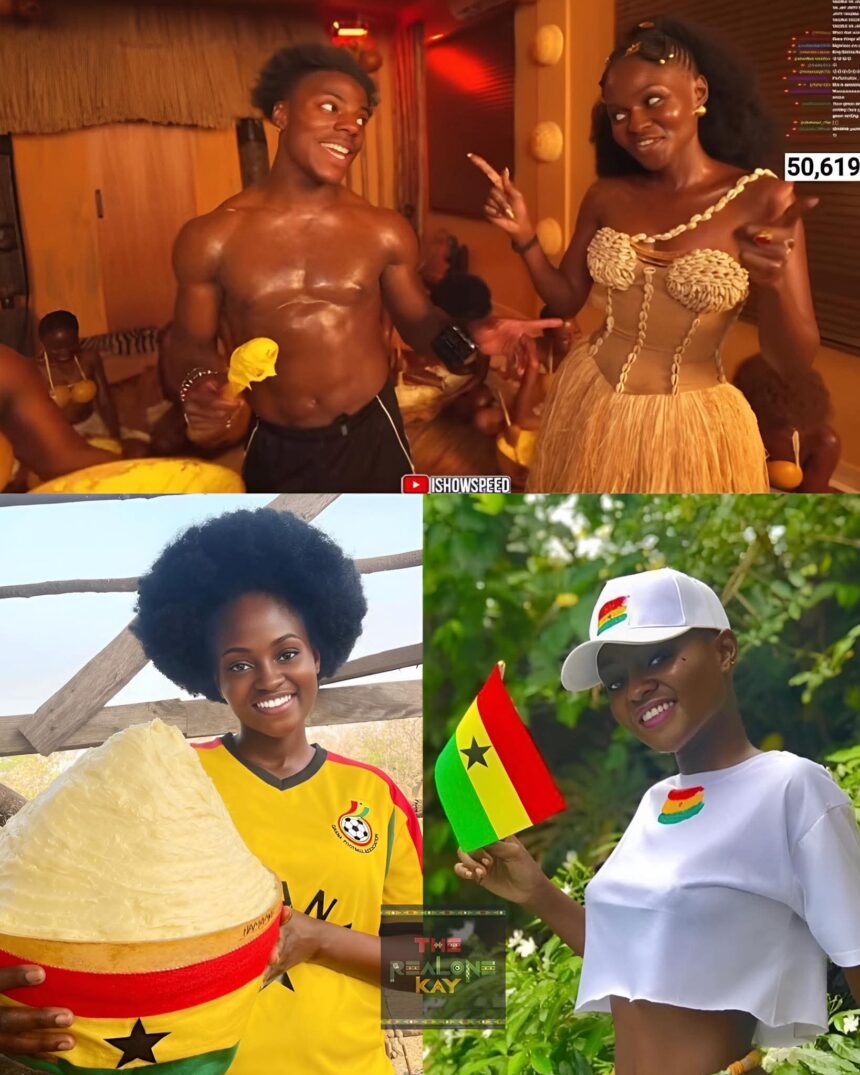
With millions of followers, IShowSpeed’s content instantly projected Ghana into global conversations. Streets, people, food, humor, music, and everyday life were broadcast organically, not through polished tourism ads but through raw, relatable experiences. That authenticity is powerful it humanizes the country and makes Ghana feel accessible rather than distant.
**Youth engagement and cultural relevance**
Traditional diplomacy often struggles to reach younger audiences. Influencer-led soft power bridges that gap. IShowSpeed’s visit spoke directly to Gen Z and young millennials, positioning Ghana as youthful, culturally vibrant, and globally connected. This matters for tourism, diaspora relations, creative industries, and long-term national branding.
**Shaping narratives and countering stereotypes**
Africa is often framed through lenses of crisis and dependency. Content from the visit subtly disrupted those narratives by showing joy, hospitality, creativity, and normalcy. Soft power works best when it reframes perception without lecturing and this visit did exactly that.
**Strategic symbolism and national confidence**
The reception given to IShowSpeed signaled Ghana’s openness to cultural exchange and its confidence in engaging the world on its own terms. It sent a message that Ghana understands the evolving tools of influence and is willing to meet global audiences where they are online.
**In essence, IShowSpeed’s visit was not just entertainment or a waste of resources or time. It was diplomacy by attraction. It demonstrated that in today’s world, a livestream can sometimes do what years of formal messaging cannot spark curiosity, reshape perception, and draw the world a little closer to Ghana.
My humble recommendation to the government of Ghana is that there should be a strategy beyond the spectacle to sustain the momentum.
Copied