
The Economic Community of West African States (ECOWAS) has reaffirmed its commitment to advancing the Women, Peace and Security (WPS) Agenda across the region, as governments, civil society organisations and development partners met in Dakar, Senegal, to strengthen coordination and accountability in promoting women’s leadership in peacebuilding.
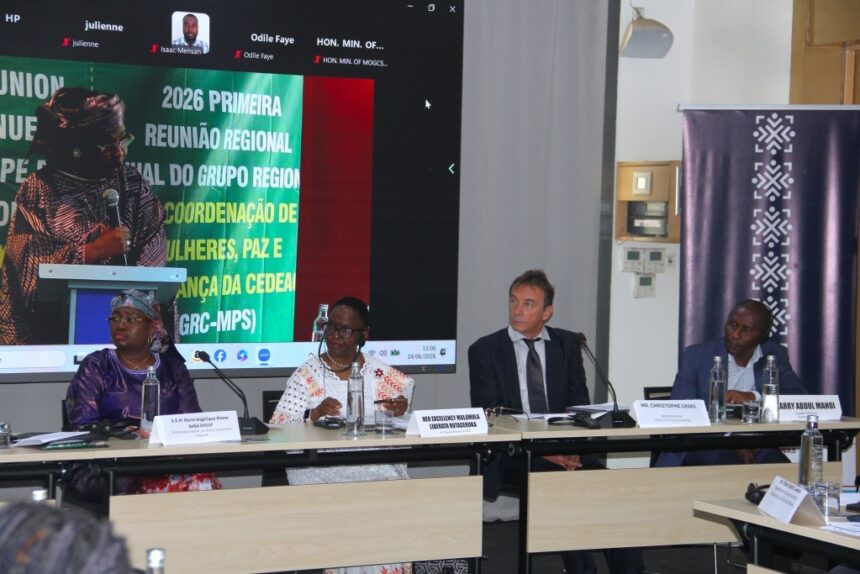
The 2026 First Annual Regional Meeting of the ECOWAS Women, Peace and Security Regional Steering Group (WPS-RSG), held from June 24 to 25, brought together participants from across West Africa in a hybrid format to assess progress, share experiences and identify strategies for accelerating the implementation of the landmark Women, Peace and Security Agenda.
Organized by the ECOWAS Commission through its Directorate of Humanitarian and Social Affairs (DHSA), in collaboration with the West Africa Network for Peacebuilding (WANEP) and the ECOWAS Peace, Security and Governance (EPSG) Project, the meeting was held under the theme: “Strengthening Regional Coordination, Monitoring, Reporting and Accountability for the Implementation of the Women, Peace and Security Agenda in West Africa.”
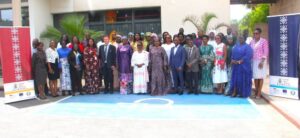 2026 First Annual Regional Meeting of the ECOWAS Women, Peace and Security Regional Steering Group.
The gathering comes at a time when West Africa continues to grapple with terrorism, violent extremism, political instability, communal conflicts and humanitarian crises that disproportionately affect women and girls. Participants stressed that sustainable peace cannot be achieved without ensuring women’s meaningful participation in conflict prevention, peace negotiations, governance and post-conflict recovery.
A key outcome of the meeting was the renewed commitment by ECOWAS and its partners to strengthen regional mechanisms for monitoring and reporting on the implementation of National Action Plans on Women, Peace and Security across Member States. Delegates also emphasised the need for reliable, gender-responsive data to measure progress and inform policy decisions.
Participants agreed that stronger coordination among governments, regional institutions, civil society organisations and development partners is essential to overcoming implementation gaps and ensuring greater accountability in advancing the WPS Agenda.
The meeting also provided a platform for Member States to exchange best practices and lessons learned in promoting women’s leadership in peacebuilding and conflict prevention. Representatives highlighted successful initiatives that have increased women’s participation in mediation processes, community peacebuilding efforts and early warning systems.
Development partners reiterated their support for ECOWAS’ efforts to institutionalise the Women, Peace and Security Agenda across the region. The ECOWAS Peace, Security and Governance (EPSG) Project, co-financed by the European Union, Germany’s Federal Ministry for Economic Cooperation and Development (BMZ), and the Royal Danish Embassy, continues to provide technical and financial support for initiatives aimed at strengthening democratic governance, peace and security in West Africa.
For women’s rights advocates, the meeting represents another important milestone in ensuring that women are recognised not only as victims of conflict but also as key actors in preventing violence, resolving disputes and rebuilding communities.
As West Africa confronts increasingly complex security challenges, participants agreed that investing in women’s leadership and ensuring their voices are fully represented in peace and security processes will be critical to building resilient societies and achieving lasting peace across the ECOWAS region.
The meeting concluded with a renewed pledge to strengthen partnerships, improve monitoring and accountability systems, and accelerate the implementation of the Women, Peace and Security Agenda, reinforcing ECOWAS’ vision of a more peaceful, inclusive and secure West Africa where women play a central role in shaping the region’s future.